Essential Upgrades for State Wildfire Ember Zones
When the foothills turn dry and the air sharpens with heat, homeowners in wildfire-prone regions start to look at their houses differently. What once felt solid now looks vulnerable. A cedar deck becomes fuel. A vent becomes an open door. For families living in designated wildfire ember zones, safety begins with design choices, not just emergency plans.
This guide breaks down the essential upgrades that make a home more resilient to airborne embers. These are practical, code-conscious improvements that protect property while keeping the home beautiful and livable.
At a Glance
- Focus: Fire-resistant home upgrades for ember exposure
- Applies to: Homes within Wildland Urban Interface (WUI) zones
- Goals: Improve safety, meet WUI compliance, preserve comfort and aesthetics
Before the Upgrades
Many older homes were built before WUI compliance existed. That meant open eaves, untreated wood siding, and vents covered only by standard mesh. In a wildfire event, these details could turn deadly. Embers slip through gaps, nest in roof valleys, and ignite unseen corners. Even homes miles from the main fire line can burn from ember intrusion alone.
Homeowners often overlook how embers travel. Winds carry glowing particles for miles, landing on roofs, decks, and vents. Without barriers, a single ember can spark a chain reaction. Understanding this vulnerability prompts action toward fortified features.
After the Upgrades
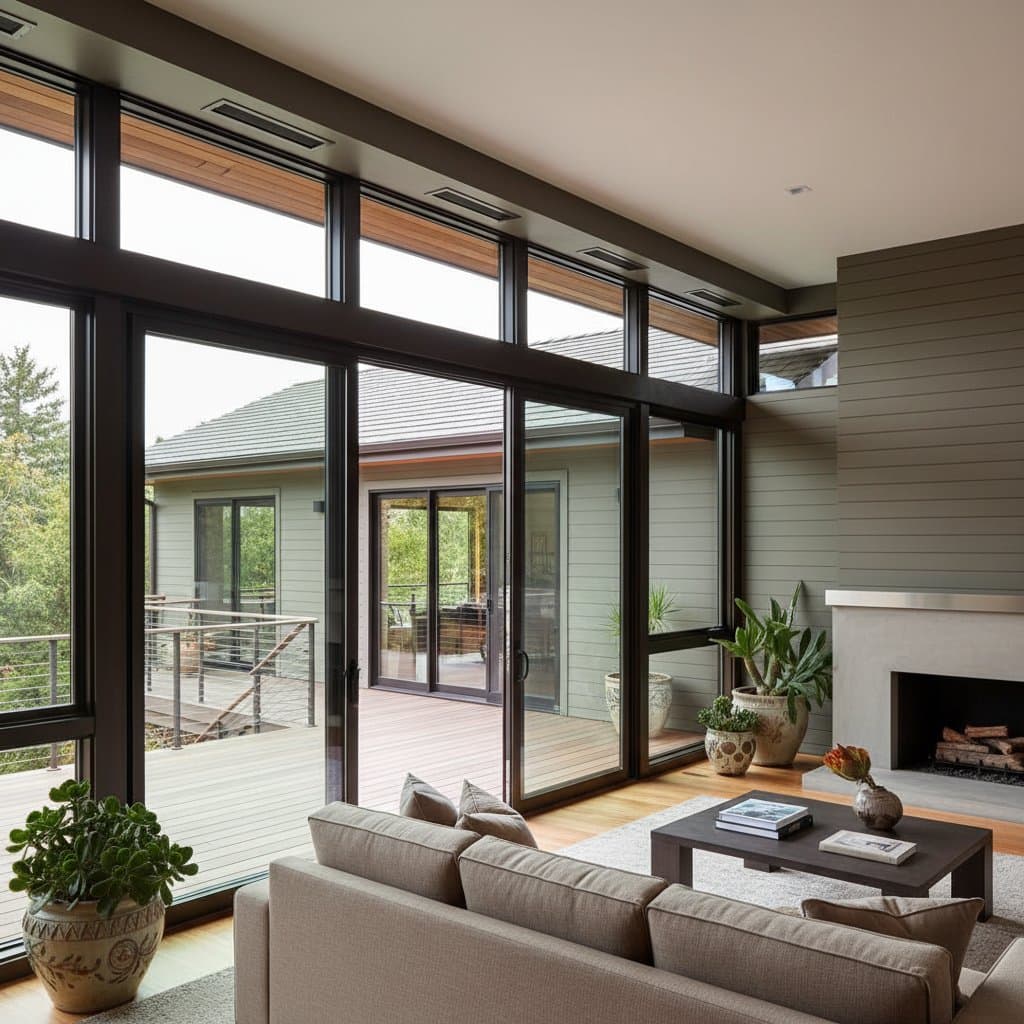
A properly updated home looks nearly the same, yet it behaves entirely differently under stress. The siding resists ignition. The vents repel embers while allowing airflow. The roof sheds debris instead of catching it. The transformation is subtle but decisive. Each improvement works together, creating a quiet shield that protects structure and peace of mind.
Residents report a shift in daily awareness. Winds that once caused worry now pass unnoticed. The home stands as a reliable haven, blending seamlessly with the landscape. This resilience extends beyond fires, enhancing overall durability against weather and wear.
Design Details That Defend
1. Ember-Resistant Vents
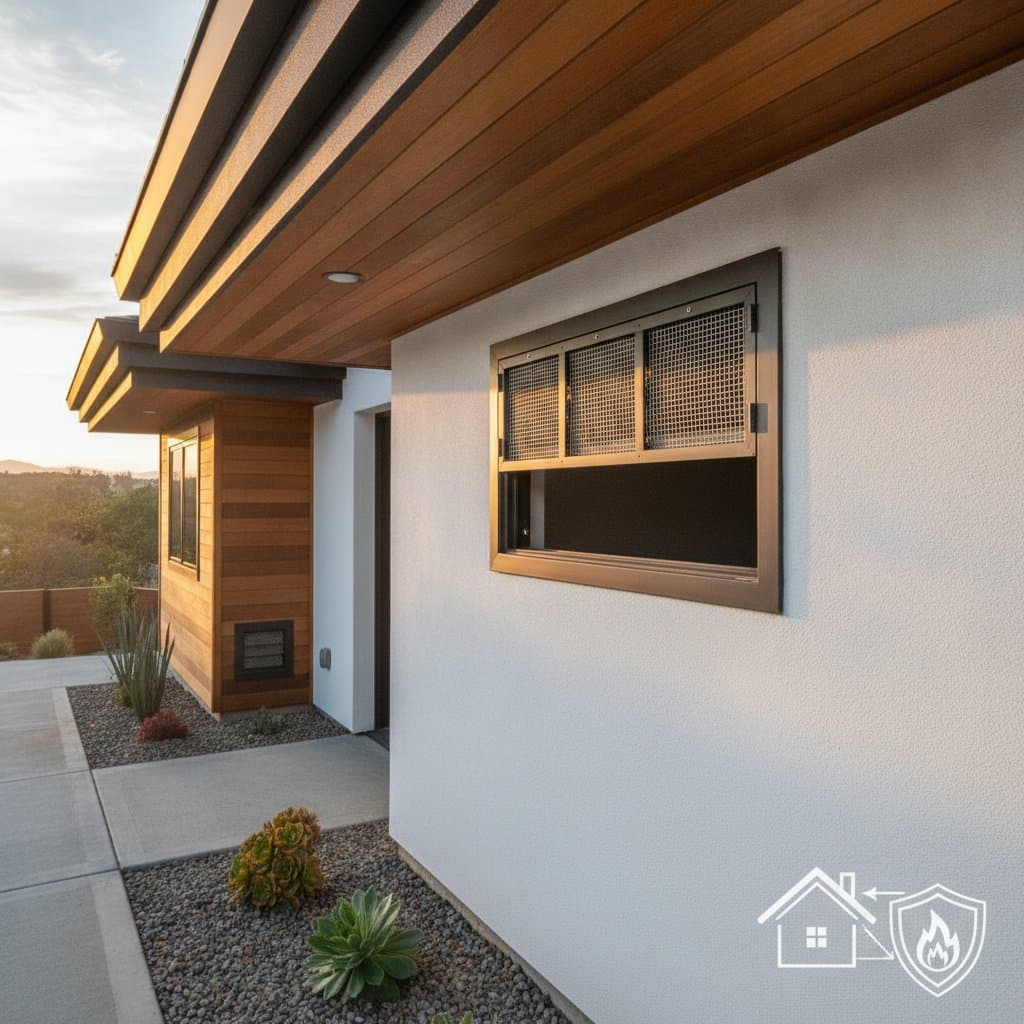
Standard vents invite danger by allowing embers to enter attics and walls. Replacing them with ember-resistant vents featuring fine 1/8-inch mesh and baffle designs reduces infiltration by up to 90 percent. Stainless steel or aluminum options hold up best under heat, resisting corrosion and warping.
Installation involves measuring existing openings and securing new covers with screws for a tight seal. Some models include automatic closures that activate at 165 degrees Fahrenheit, blocking heat and embers during peak threats. Pair these with soffit and ridge vents to maintain balanced ventilation without compromise.
2. Roofing That Repels Fire
Class A roofing materials like concrete tile, metal panels, or composite shingles prevent ignition from falling embers and radiant heat. These surfaces require exposure to flames for over an hour before failing, far exceeding typical ember attacks. A solid roof underlayment, such as synthetic barriers or fiberglass mats, blocks stray sparks that slip beneath tiles.
Select tiles with a minimum weight rating to withstand wind uplift in ember storms. Professional installation ensures proper overlap and sealing at edges. Cleaning gutters regularly is just as crucial since dry leaves form a ready fuel bed. Schedule bi-annual inspections to remove pine needles and debris, preserving the roof's defensive edge.
3. Non-Combustible Siding
Fiber-cement or stucco siding delivers both durability and texture, withstanding direct flame exposure without fueling fires. These materials do not melt or contribute to spread, meeting strict WUI ignition tests. If you love the warmth of wood, consider fire-rated engineered wood or treated shiplap that meets WUI compliance without sacrificing charm.
Horizontal lap patterns help embers roll off rather than settle, reducing accumulation. Apply a fire-retardant sealant every five years to extend performance. For textured appeal, choose board-and-batten styles in earth tones that harmonize with natural surroundings. This siding also lowers insurance premiums in high-risk areas.
4. Exterior Decking and Fencing
Decks and fences often ignite first, providing bridges for fire to reach the structure. Replacing untreated lumber with metal framing and composite decking creates a safer perimeter. Composites made from recycled plastic and wood fibers resist ignition and do not splinter under heat.
Keep fences detached from the house by at least two inches to avoid direct flame transfer. Use galvanized steel posts for stability in sloped yards. For railings, opt for aluminum or glass panels that block ember paths while offering clear views. These choices maintain outdoor living spaces as safe gathering spots.
5. Defensible Landscaping
A three-zone approach works best to create layered defenses around the property.
- Immediate zone (0-5 feet from home): Non-flammable ground cover like gravel or mulch-free decomposed granite, stone borders, and metal furniture eliminate fuel close to walls.
- Intermediate zone (5-30 feet): Low-growing native plants spaced at least 18 inches apart for airflow, pruned to under 18 inches tall to prevent ladder fuels.
- Extended zone (30-100 feet): Thinned trees with branches trimmed to 6-10 feet above ground, keeping flames low and distant from the home.
Incorporate drip irrigation to keep plants hydrated without excess water that promotes growth. Remove dead underbrush annually and select species like manzanita or lavender that burn slowly. This strategy not only deters embers but also supports local ecosystems and reduces water use.
Integrating Resilience into Everyday Life
These upgrades do more than meet code. They bring daily reassurance to residents in ember-prone areas. When wind picks up, the quiet confidence of metal vents and sealed eaves provides stability. The crisp line where gravel meets stucco feels intentional, a small but powerful boundary.
For families, that peace has real value. It means staying home longer during evacuations and rebuilding faster if the worst happens. Children play in yards designed for safety, and gatherings occur without underlying tension. This integration turns potential threats into managed features of modern living.
Sustaining Fire-Resistant Features
Wildfire-defense design is not a one-time project. Inspect vents for mesh integrity, repaint treated surfaces with compliant coatings, and clean debris from roofs each season. Small habits keep the system strong. Some homeowners create a simple checklist by doorways to track maintenance tasks quarterly.
Engage local fire departments for free assessments to identify overlooked risks. Budget for minor updates like reapplying sealants or replacing worn mesh. These efforts ensure long-term protection, adapting to evolving WUI standards. A well-maintained home remains a secure foundation for years.
How might you start rethinking your own home's defenses? Begin with a site assessment to prioritize vents and roofing, then expand outward. These steps build a resilient property that safeguards what matters most.