Understanding Waterproofing's Impact on 2026 Home Values
Water damage threatens even the most meticulously planned homes, often striking during severe weather events. A single flood can erase years of equity through repairs that exceed initial investments. Homeowners discover too late that waterproofing functions as essential protection and a strategic enhancement to property worth and livability.
Project Overview
Average Cost: $4,000 to $12,000
Timeline: 1 to 3 weeks
Lifespan: 15 to 25 years
Best Season: Spring or early fall
DIY Friendly: Partial; interior patching suits beginners, but full systems demand experts
Permits: Typically required for sump pumps or drainage modifications
Detailed Cost Analysis
Waterproofing expenses vary based on moisture origins and selected approaches. Professionals assess site conditions to recommend optimal solutions.
1. Interior Waterproofing
- Average Cost: $3,000 to $8,000
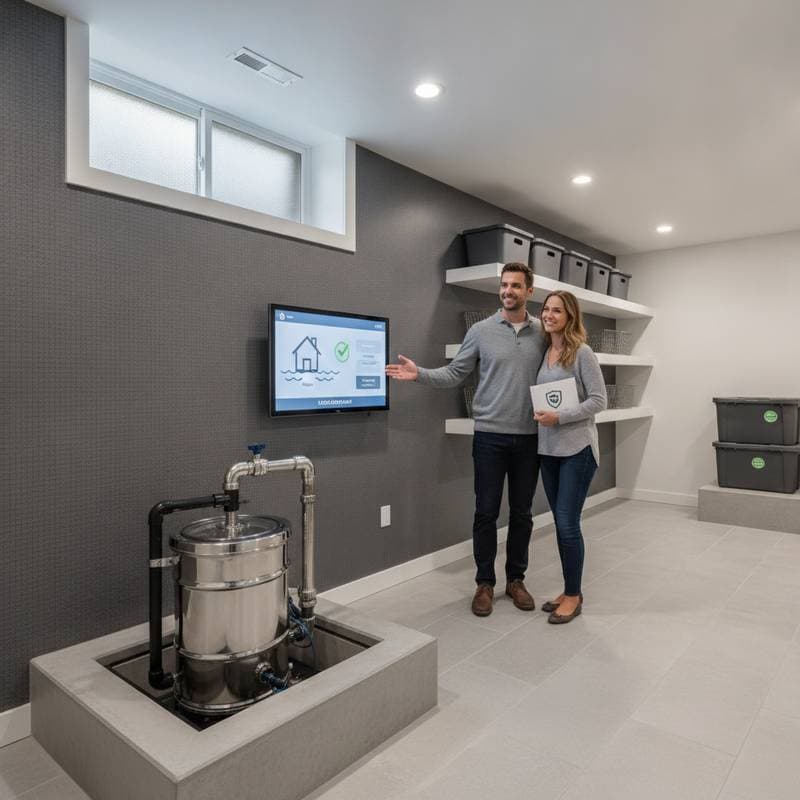
- Components: Sealants for walls and floors, vapor barriers, sump pump setup
- Labor Estimate: $1,500 to $3,000, influenced by access challenges
This approach suits situations where water penetrates walls or floors without compromising foundation integrity. It provides quick results with minimal disruption to daily routines.
2. Exterior Waterproofing
- Average Cost: $8,000 to $15,000
- Components: Excavation around the foundation, application of protective membranes, replacement of drain tiles
- Labor Estimate: $4,000 to $6,000
Exterior methods intercept water at its source, preventing contact with structural elements. Higher costs stem from digging, yet these systems deliver superior durability against ongoing exposure.
3. Drainage Improvements
- Average Cost: $2,000 to $6,000
- Components: Installation of French drains, regrading of soil slopes, extension of gutter systems
These enhancements direct water away from the home's perimeter. Combine them with interior or exterior work for comprehensive defense.
Local factors affect overall pricing. In coastal or metropolitan zones with high demand, expect a 15 to 20 percent increase. Rural locations may reduce labor fees but elevate material transport charges.
Strategic Timing for Waterproofing Projects
Schedule waterproofing ahead of heavy rains to avoid rushed work. Spring and early fall provide ideal conditions with settled soil and temperate weather. Summer schedules fill quickly due to demand, and winter freezes complicate exterior tasks.
Secure materials in advance, as sump pumps and membranes occasionally experience shortages. For basement finishing projects, complete waterproofing prior to installing frames or drywall. Post-construction retrofits often double expenses and require dismantling finished areas.
Identifying the Need for Professional Expertise
Persistent damp spots, white efflorescence on surfaces, or lingering musty smells indicate moisture issues that demand specialist attention. Cracks exceeding one-eighth inch in width or signs of foundation shifting necessitate evaluation by a structural engineer. Standing water points to urgent infiltration risks that could escalate to severe damage.
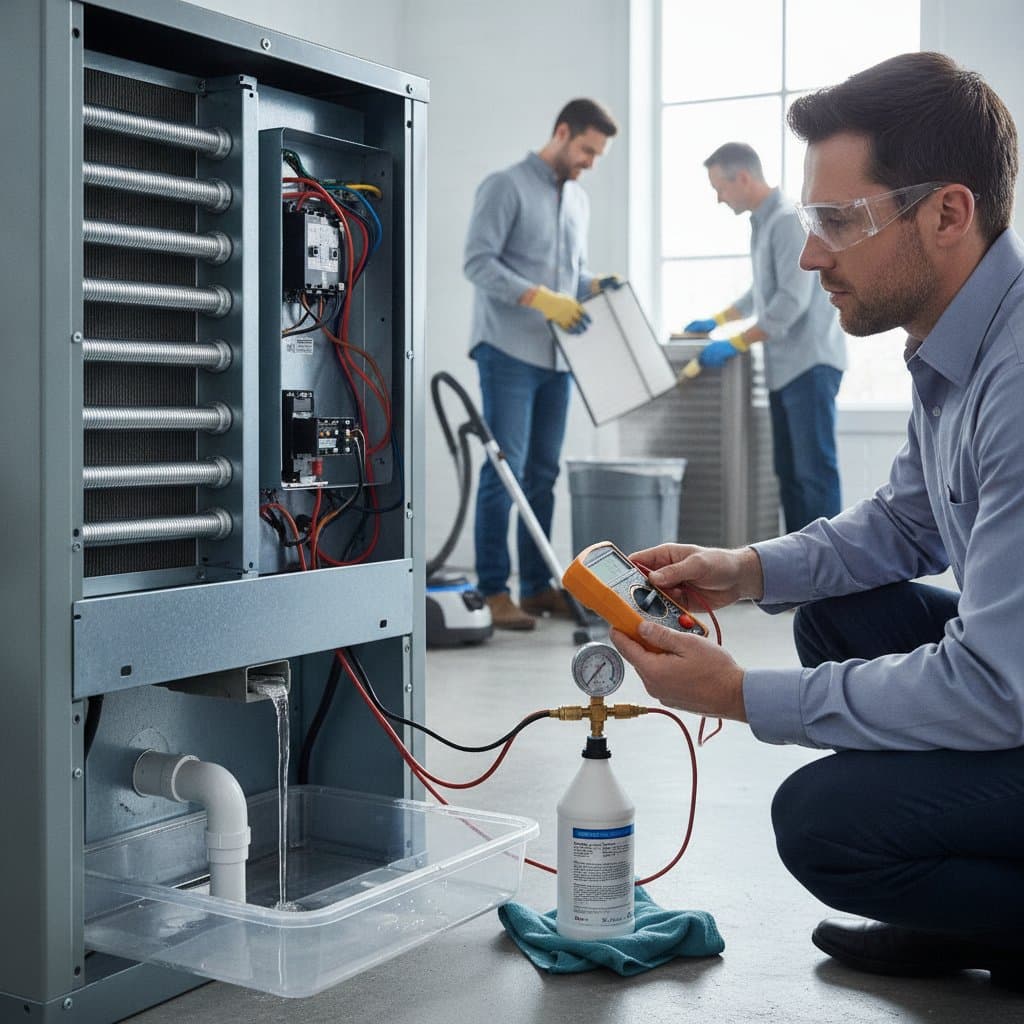
Professionals ensure compliance with safety standards, particularly for electrical components. Licensed electricians handle sump pump connections and ground-fault circuit interrupter outlets near water. Amateur installations invite regulatory fines and safety dangers.
Essential Maintenance Practices
Post-installation, verify sump pump operation quarterly by filling the pit with water to trigger activation. Maintain clear gutters and position downspouts to direct flow at least six feet from the foundation. Refresh exterior sealants every ten years or as advised by installers.
Conduct routine visual checks for early moisture signs. Prompt action preserves the system's effectiveness and averts major fixes. When preparing to sell, retain installation records and warranties to assure potential buyers of the property's safeguards.
Securing Long-Term Benefits
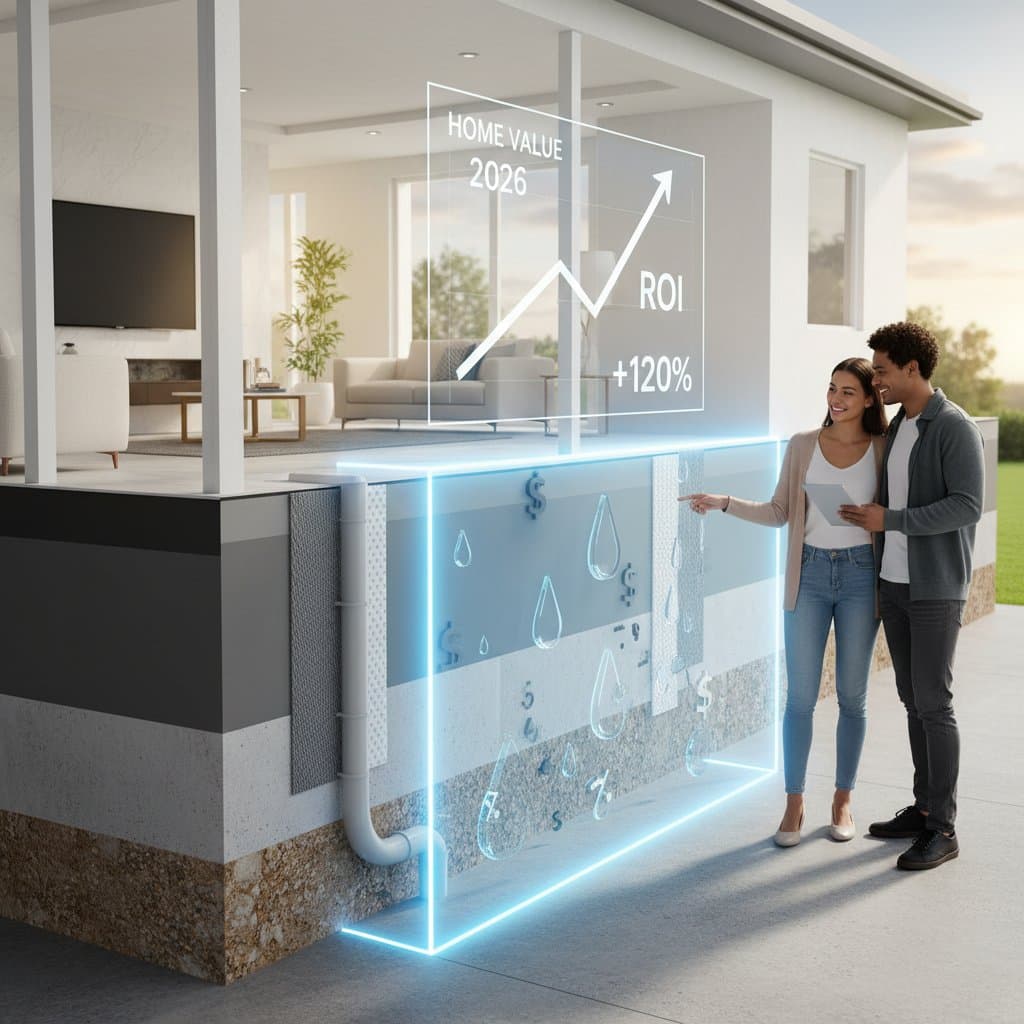
Waterproofing stands out among renovations for its substantial returns, especially as the 2026 market favors resilient homes. It shields against damage, bolsters marketability, and conserves funds otherwise lost to repairs. Invest in this measure to fortify your property, whether for immediate occupancy or future sale.