Key Takeaways
- Micro-mesh gutters alter homeowner approaches to spring maintenance by excluding leaves, pollen, and roof grit while requiring minimal cleaning.
- These systems deliver superior water flow and protection compared to conventional gutter guards, particularly in regions with intense rainfall or abundant debris.
- Proper installation and occasional maintenance enable these gutters to prolong roof lifespan and eliminate frequent ladder access each spring.
- Homeowners benefit from reduced environmental impact due to the corrosion-resistant stainless steel, which decreases the need for frequent replacements.
- Integration with sustainable features, such as rainwater harvesting, enhances overall home efficiency and water quality for landscaping purposes.
Why Micro-Mesh Gutters Gain Popularity This Spring
Homeowners increasingly prioritize upgrades that combine functionality, safety, and environmental responsibility. Micro-mesh gutters align with these preferences by preventing blockages that lead to water runoff damaging landscapes or foundations. The stainless-steel construction withstands corrosion effectively, resulting in fewer replacements and reduced waste over time.
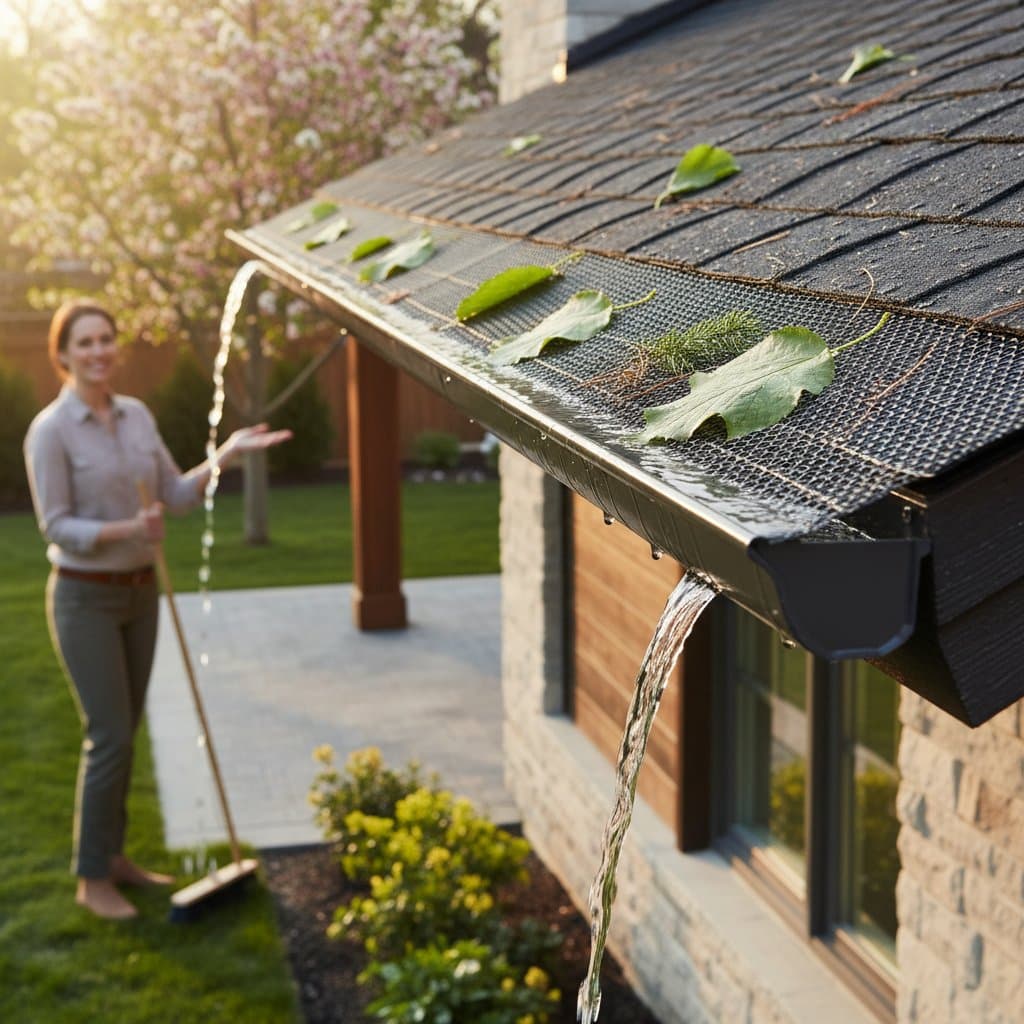
This technology addresses common seasonal challenges. Fine debris, including pollen and granular particles from roofs, accumulates rapidly in traditional systems. Micro-mesh screens feature precisely engineered openings that allow water passage while blocking even the smallest particles. As a result, gutters maintain consistent performance without the buildup that demands intensive seasonal labor.
Key Advantages
- Excludes fine debris such as pollen, seeds, and grit for cleaner operation.
- Minimizes ladder usage and overall maintenance duration.
- Integrates seamlessly with most existing gutter configurations.
- Offers a contemporary aesthetic that complements modern fascia boards and trim elements.
Many homeowners incorporate micro-mesh gutters into broader eco-conscious projects. For instance, pairing them with rainwater collection barrels ensures debris-free water storage. This setup supports cleaner irrigation for gardens and reduces reliance on municipal supplies. The result is a more resilient home exterior that withstands variable weather patterns common in spring.
Installation and Maintenance Expectations for Homeowners
Installation typically requires securing mesh covers over existing gutters, either beneath roof shingles or along the fascia board. Professionals recommend assessing the gutter slope beforehand to ensure optimal water drainage. For homes with complex rooflines, certified installers use specialized clips and seals to achieve a watertight bond without compromising structural integrity.
Experienced individuals may tackle installations on smaller sections, such as single-story eaves. Essential tools include a level, tin snips for trimming mesh, and weatherproof fasteners. However, larger properties or those with steep pitches benefit from expert intervention to avoid misalignment that could cause pooling or edge drips.
Maintenance remains straightforward post-installation:
- Inspect surfaces after significant storms to remove any lodged branches or nesting materials.
- Apply a gentle rinse with a garden hose to dislodge accumulated dust or pollen.
- Verify downspout functionality during rainfall events to confirm unobstructed flow.
The intricate weave of the mesh promotes natural self-cleaning. Debris often dries on the surface and disperses with wind, limiting intervention to brief annual reviews. This efficiency transforms gutters from a vulnerability into a reliable component of home upkeep.
Addressing Frequent Homeowner Inquiries
Do micro-mesh gutters perform in heavy rainfall?
The fine stainless-steel mesh facilitates rapid water permeation, even in intense downpours. Success depends on precise installation angles that guide flow toward downspouts, minimizing overflow risks. Testing during moderate rains helps confirm system efficacy early.
Are these gutters suitable for various roofing materials?
They adapt well to standard asphalt shingles, metal panels, or clay tiles. Installers customize attachment methods, such as under-shingle hooks or fascia brackets, to avoid damage and uphold manufacturer warranties. A pre-installation roof evaluation identifies any unique adaptations needed.
Do birds or pests utilize micro-mesh guards for nesting?
Such occurrences prove uncommon due to the slick surface and compact weave, which offer little purchase for gripping or tunneling. If minor accumulations appear, a soft brush suffices for removal without harming the mesh integrity.
Is self-installation feasible?
It proves viable for single-level homes with straightforward gutter runs. Focus on achieving uniform overlap and proper pitch to prevent gaps. Multi-story or aged gutter systems warrant professional assistance for secure, leak-proof results.
What is the expected durability of these systems?
Premium stainless-steel variants endure for 20 years or longer under routine care. This extended service life positions them as a financially prudent choice, often outlasting alternative guards by a significant margin.
How do micro-mesh gutters compare to other guards in debris-heavy environments?
They excel in such settings by capturing micro-particles that coarser screens miss. This prevents clogs at the source, reducing overflow incidents and associated repair costs compared to brush or foam inserts.
Embracing Efficient Gutter Performance Year-Round
With micro-mesh gutters in place, seasonal tasks evolve into efficient routines. Spring assessments involve simple visual checks and hose rinses rather than exhaustive manual removal. This shift frees time for other home priorities while maintaining a pristine roofline.
Aesthetically, the slim profile integrates with diverse architectural styles, from traditional to contemporary. The unobtrusive design preserves curb appeal without visible clutter. Ultimately, these systems fortify home protection against water-related issues, ensuring long-term structural health and peace of mind.