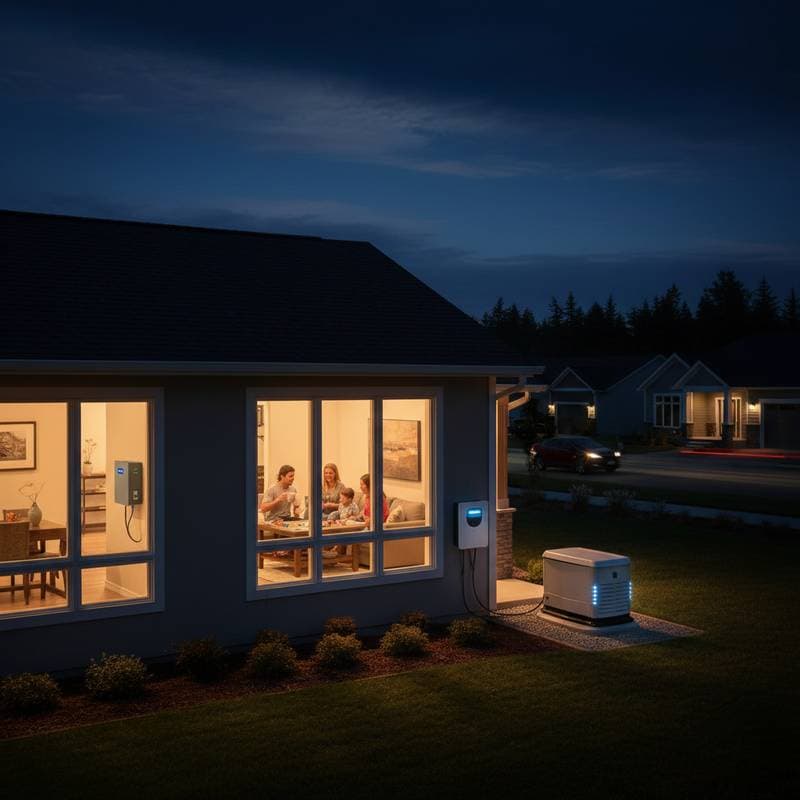
Understanding the Need for Backup Power in 2026
Power grids face increasing strain from extreme weather, aging infrastructure, and rising energy demands. Experts predict more frequent and prolonged outages by 2026, potentially lasting days in vulnerable areas. Homeowners who install backup systems maintain essential functions like lighting, refrigeration, and medical equipment, avoiding spoilage, discomfort, and safety risks.
Backup power options range from traditional generators to modern battery solutions. Each type offers unique advantages based on fuel source, capacity, and integration with home systems. Selecting the right system requires evaluating outage patterns in your region and household needs.
Types of Backup Power Systems
Standby generators provide whole-home coverage by automatically activating during outages. These units connect to natural gas or propane lines, delivering seamless power without manual startup. Capacities typically range from 10 to 20 kilowatts, sufficient for most households.
Portable generators suit smaller setups or temporary use. They run on gasoline or diesel and power specific circuits via extension cords. While cost-effective, they require outdoor operation and regular refueling.
Battery storage systems, often paired with solar panels, store excess energy for later use. Grid-tied batteries like lithium-ion models recharge automatically and support peak shaving to reduce utility bills. These eco-friendly options eliminate fuel needs but depend on initial charge levels.
Hybrid systems combine generators with batteries for extended runtime. This setup ensures reliability during long outages while minimizing noise and emissions. Professional assessment helps determine the best combination for your property.
Installation: Professional Versus DIY Approaches
Whole-house systems, natural gas connections, and grid-tied battery installations demand expert handling. Electrical and gas permits remain mandatory, and errors can lead to fires or carbon monoxide exposure. Licensed contractors typically charge between $1,500 and $3,500 for labor, testing, and permit coordination.
Seek professional assistance in these scenarios:
- Handling gas or propane fuel lines
- Integrating solar panels or grid-tied battery storage
- Setting up automatic transfer switches
- Wiring connections to primary electrical panels
DIY methods prove viable for simpler applications. Portable generators operate safely outdoors, disconnected from the main panel. Plug-and-play battery units power individual appliances without complex wiring.
Before any installation, consult local building codes and utility guidelines. Contractors should provide detailed plans, including load calculations to match system capacity to your home's demands.
Prioritizing Safety and Regulatory Compliance
Safety forms the foundation of any backup power setup. Proper protocols prevent hazards and ensure long-term functionality.
Mitigating Carbon Monoxide Dangers
Position generators outdoors, at least ten feet from windows, doors, or ventilation intakes. Avoid operation in garages, basements, or covered patios to prevent exhaust buildup. Install carbon monoxide detectors on every level of the home, and test them monthly.
Ensuring Electrical Integrity
Faulty transfer switches risk backfeeding power into utility lines, posing dangers to repair crews. Select UL-listed equipment and secure inspection approval prior to use. Ground all systems correctly to avoid shocks or surges.
Managing Fuel Storage Securely
Store propane or diesel in approved containers, distant from heat sources or flames. Adhere to local fire regulations on tank sizes and setbacks from boundaries or structures. Regular inspections detect leaks early.
Handling Battery Lifecycle
Lithium batteries require recycling at designated centers upon reaching end-of-life. Many service providers incorporate disposal and recycling services into installation agreements. Avoid landfill disposal to prevent environmental harm.
Compliance with codes not only protects residents but also preserves warranties and insurance coverage. Annual audits by certified technicians verify ongoing adherence.
Steps to Implement Your Backup Power Plan
Annual outages in your area signal the urgency of backup preparation. Begin with a power audit: identify critical loads such as refrigerators, HVAC units, medical devices, and communication tools. Calculate required kilowatt-hours based on usage duration.
Solicit quotes from licensed installers, ensuring each includes equipment specifications, permit fees, and warranty details. Compare options for efficiency, noise levels, and runtime. Factor in incentives like tax credits for solar-integrated systems.
Post-installation, establish a maintenance routine. Conduct test activations quarterly and full servicing annually, ideally before storm seasons. Stockpile fuel reserves or maintain battery health through regular charging cycles.
Educate household members on system operation, emergency protocols, and shutdown procedures. Create a quick-reference guide for outage response.
Realizing the Value of Reliable Power
Backup systems shield homes from grid vulnerabilities, sustaining daily life amid disruptions. They avert food loss, equipment damage, and health risks while supporting remote work and connectivity. Property values rise with documented installations, appealing to future buyers.
Investing now yields dividends in resilience and tranquility. Fuel-based or battery-driven, these solutions empower homeowners to face 2026 uncertainties with confidence. Secure your setup today for uninterrupted tomorrow.