2026 Trends Boosting Multigenerational Home Value
Families live together longer, and homes adapt quickly to these changes. Multigenerational living moves beyond a niche arrangement to become a strategic investment that enhances property value, comfort, and adaptability. Homeowners add private suites for aging parents, design shared kitchens suitable for all ages, or create flexible spaces for evolving needs. These targeted improvements yield enduring benefits.
This guide examines leading design and renovation trends that enhance functionality and worth in multigenerational homes. Readers discover upgrades that attract buyers, layouts that draw future occupants, and project plans that align family requirements with resale objectives.
Why Multigenerational Design Adds Long-Term Value
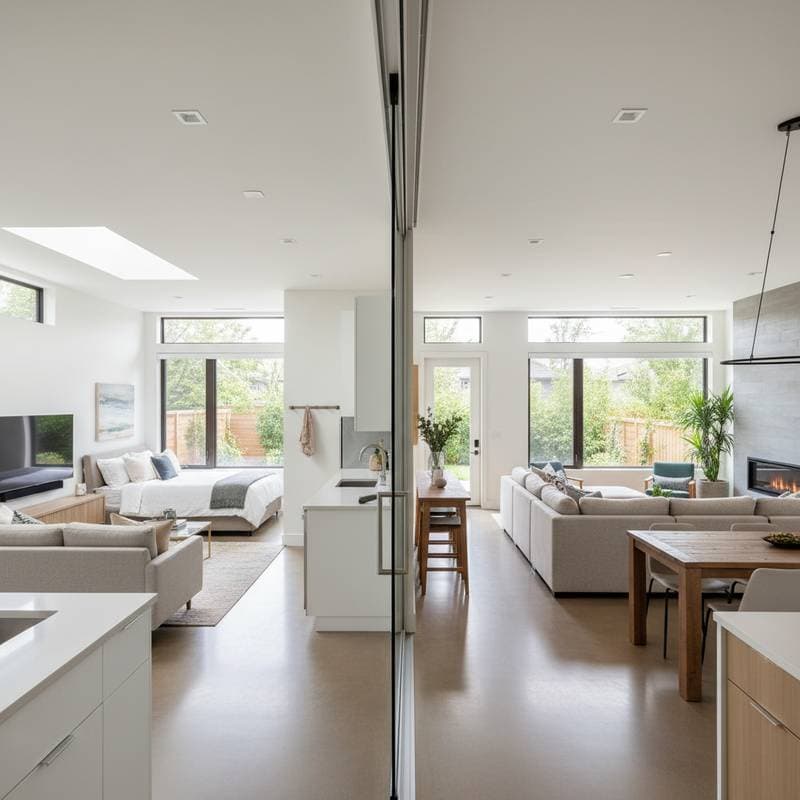
A residence designed for multiple generations fulfills diverse roles. It accommodates grandparents, adult children, or even renters while preserving privacy and autonomy. Real estate trends indicate that properties with versatile layouts sell more rapidly and achieve premium prices. Prospective buyers value the ability to modify spaces without extensive overhauls.
Homeowners experience ongoing savings through these enhancements. Shared utilities, pooled resources, and expanded areas decrease monthly outlays while elevating daily living. A thoughtful design strategy transforms a spacious family dwelling into a sustained financial resource.
Cost Factors and Planning Considerations
1. Size and Scope of Work
Larger additions elevate structural and utility expenses. Repurposing a basement or garage proves more economical than constructing a new extension. Evaluate square footage needs carefully to balance ambition with affordability.
2. Material Choices
Premium finishes increase upfront costs yet promise superior resale yields. Select resilient, easy-care options such as quartz countertops and vinyl plank flooring. These choices satisfy family demands and appeal to subsequent purchasers.
3. Labor and Permits
Labor typically accounts for approximately half of overall expenses. Structural, plumbing, and electrical alterations necessitate permits. Factor these regulatory costs into initial estimates to avoid budget shortfalls.
4. Utility Upgrades
Installing a secondary kitchen or bathroom often demands reinforced electrical panels or plumbing infrastructure. Engage contractors early to assess requirements and mitigate potential setbacks.
5. Layout Efficiency
Efficient configurations conserve funds by optimizing current areas. Professionals reconfigure hallways or closets to form additional zones with minimal disruption. This approach minimizes the need for invasive modifications.
Pro Tip: Collaborate with a residential architect versed in multigenerational configurations. Such experts pinpoint economical design solutions and verify adherence to building codes.
Steps to Plan a Successful Multigenerational Upgrade
Step 1: Assess Current and Future Needs
Determine occupants for the present and foreseeable future. Account for aging parents, returning adult children, or prospective renters. Document essential elements like privacy, accessibility, and comfort levels.
Step 2: Set a Realistic Budget
Encompass expenses for design, construction, permits, and furnishings. Incorporate a 10 to 15 percent buffer for unforeseen expenditures. Review costs quarterly during planning to maintain fiscal control.
Step 3: Consult Professionals Early
Engage a licensed contractor or design-build team proficient in dual-residence setups. These specialists identify structural constraints and mechanical boundaries prior to commencement.
Step 4: Finalize the Layout
Decide on combinations of communal and secluded areas. Pair shared kitchens and living spaces with individual bedrooms and bathrooms. Sketch multiple options to visualize daily interactions.
Step 5: Secure Permits and Financing
Approach local building authorities for necessary approvals. Investigate home equity loans or specialized renovation funding to cover investments. Compare interest rates and repayment terms thoroughly.
Step 6: Schedule Construction
Anticipate disruptions from noise and inaccessibility. Arrange temporary relocation for family members if feasible, or implement phased work by section. Coordinate timelines to minimize interference with routines.
Step 7: Inspect and Adjust
Upon project completion, evaluate critical systems thoroughly. Verify sufficient lighting, airflow, and thermal protection. Address minor issues promptly to ensure sustained usability.
DIY vs Professional Work
What You Can Handle Yourself
-
Apply fresh paint and simple surface treatments
-
Assemble modular furniture or install shelving units
-
Enhance landscaping with plants and outdoor elements
What to Leave to Professionals
-
Execute electrical and plumbing integrations
-
Perform structural expansions or demolitions
-
Implement HVAC zoning and solar energy systems
-
Ensure accessibility standards and regulatory inspections
Projects impacting safety and asset worth require certified expertise. Confirm contractor credentials, insurance coverage, and client testimonials prior to agreements.
Long-Term Benefits for Homeowners
A meticulously planned multigenerational residence evolves across life phases. It shelters family members today and repurposes suites as income-generating rentals or home offices tomorrow. This versatility safeguards investments and sustains relevance over time.
Incorporating energy-saving technologies, robust materials, and inclusive design principles curtails upkeep expenses. As demand grows for modifiable homes, such properties secure competitive advantages in the market.
Preparing Your Home for Multigenerational Success
Embark on renovations or expansions with a defined strategy. Tour your property to spot multifunctional opportunities. Arrange meetings with contractors specializing in multigenerational designs, and solicit estimates for comprehensive builds alongside innovative space adaptations.
Look ahead to enduring priorities like accessibility, energy conservation, and user comfort. Multigenerational enhancements extend beyond current family dynamics. They forge adaptable, appreciating assets that align with buyer preferences for practicality and foresight.
Strategic guidance and professional collaboration enable homes to nurture generations in harmony while accumulating substantial equity.