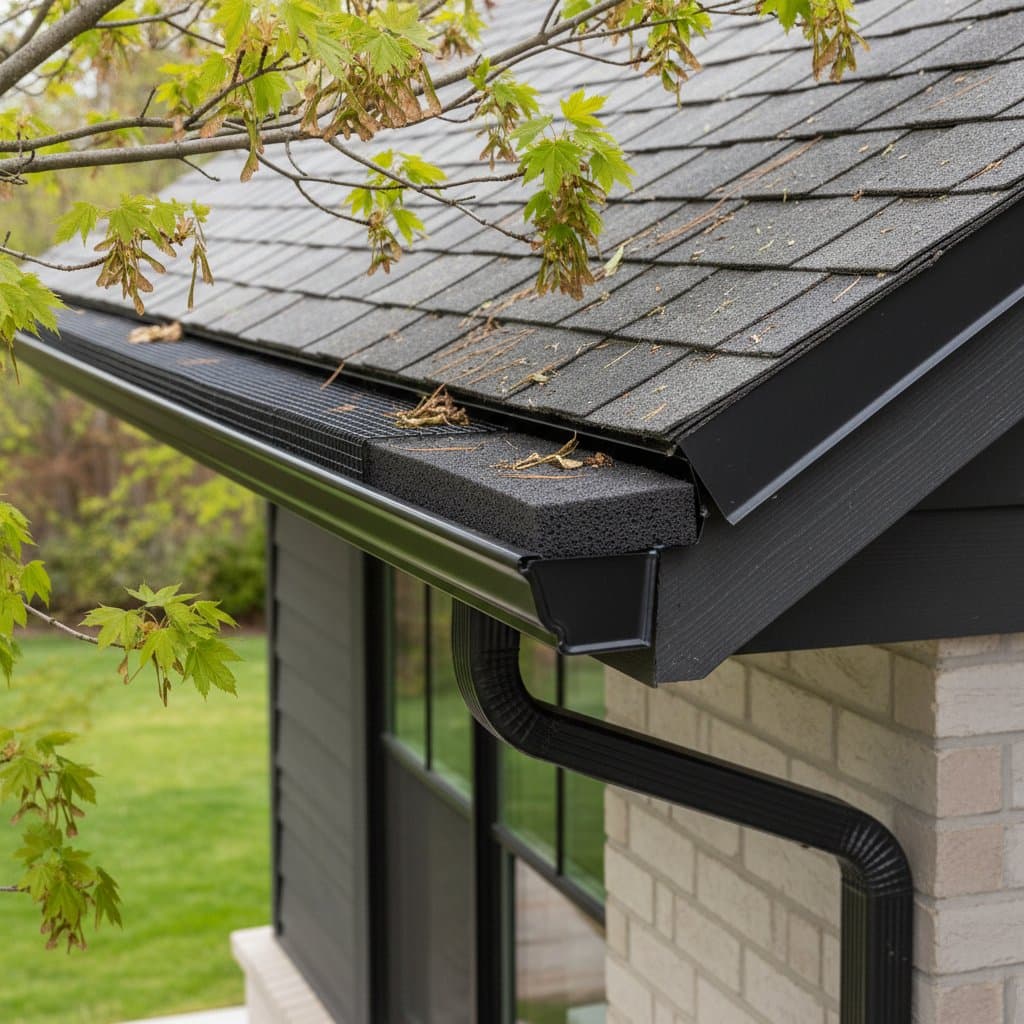
Micro-Mesh Versus Foam: Optimal Choices for Spring Gutter Protection
Spring ushers in vibrant growth, yet it also delivers challenges for home maintenance. Leaves, pollen, seeds, and small twigs accumulate rapidly in gutters, potentially causing overflows that harm fascia boards, siding, and even foundations. Gutter guards provide an effective barrier against such issues. Among available solutions, micro-mesh and foam guards stand out for their accessibility and performance. The choice between them depends on factors such as local weather patterns, roof configuration, and your willingness to invest in long-term solutions.
Key Features of Each Gutter Guard Type
Micro-Mesh Guards Explained
Micro-mesh guards consist of a tightly woven stainless-steel or aluminum mesh that spans the top of the gutter. This design filters out particles as small as pollen grains while permitting water to flow freely into the channel below. Installation typically involves securing the mesh beneath the roof shingles or along the gutter edge with clips or screws, ensuring a durable and weather-resistant seal. These guards excel in environments with diverse debris, from pine needles to fine dust, maintaining clear waterways even during prolonged wet periods.
Foam Guards Detailed
Foam guards function as inserts placed directly within the gutter trough. Constructed from cellular polyurethane, they feature microscopic pores that allow water passage while obstructing larger debris like leaves and branches. Homeowners appreciate their flexibility; the material cuts easily with a utility knife to fit various gutter sizes. Although straightforward to position, foam guards require periodic replacement to counteract degradation from sunlight and moisture exposure.
Detailed Pros and Cons Analysis
Advantages and Limitations of Micro-Mesh Guards
Micro-mesh guards block even the finest debris, including pollen and silt, preventing subtle clogs that foam might overlook. They withstand intense rainfall without compromising flow rates, often channeling up to 20 gallons per minute per linear foot of gutter. With proper care, these systems endure 20 to 30 years, far surpassing other types and minimizing annual interventions. Additionally, their robust construction enhances the overall integrity of the gutter setup, potentially increasing property resale value.
However, micro-mesh options carry a premium price tag, typically ranging from $12 to $18 per linear foot installed. Professional expertise proves essential for alignment and securement, as improper fitting can lead to gaps. Over time, surface buildup of mineral deposits or bird droppings may necessitate a gentle rinse with a garden hose to restore optimal function.
Advantages and Limitations of Foam Guards
Foam guards appeal through affordability, costing $3 to $6 per linear foot, making them ideal for budget-conscious projects. Their pliable nature supports effortless DIY setup; measure, trim, and press into place without specialized tools. The lightweight composition avoids added stress on aging gutters, and custom fitting accommodates irregular sections seamlessly.
Drawbacks emerge with durability concerns. Foam typically lasts only four to six years before crumbling or losing porosity, especially in sunny climates where ultraviolet rays accelerate breakdown. Seeds lodged in the material can sprout, fostering unwanted vegetation within the gutter. During downpours exceeding two inches per hour, water may pond atop the foam, reducing efficiency and heightening overflow risks.
Selecting the Ideal Gutter Guard for Your Property
Homeowners surrounded by mature trees or residing in stormy areas benefit most from micro-mesh guards. These systems handle variable debris loads reliably, slashing cleaning needs from monthly to biannual at most. In contrast, foam guards suit sparse landscapes with minimal leaf fall or serve as interim measures for rentals and short-term residences.
Evaluate your current setup prior to purchase. Look for signs of rust, misalignment, or blockages in downspouts, as faulty gutters undermine any guard's effectiveness. Consult a certified professional for a thorough assessment; they verify compatibility with your roof pitch and recommend adjustments like downspout extensions for peak performance.
Consider regional specifics as well. In pollen-heavy zones, micro-mesh's finer filtration prevents seasonal allergies from worsening due to gutter overflow. For coastal properties, select corrosion-resistant materials to combat salt air exposure.
Essential Maintenance Practices
Sustained efficacy demands routine oversight for both guard types. For micro-mesh, direct a low-pressure hose spray across the surface in early spring and fall to dislodge accumulated pollen or sap. Avoid high-pressure washers, which might bend the mesh. Inspect seams annually for looseness and tighten as needed.
Foam inserts demand more frequent attention. Remove and examine them every three months; discard if pores clog or edges fray. Soak in a mild vinegar solution to dissolve mineral buildup before reinstalling. Trim overhanging branches within 10 feet of the roofline to curb debris influx, and clear downspouts using a plumber's snake to ensure unobstructed drainage.
Safety remains paramount. If ladder access poses risks due to height or instability, engage a service equipped with extension tools and harnesses. Consistent upkeep not only averts water intrusion but also extends the lifespan of roofing elements and exterior finishes.
Steps to Implement Effective Gutter Protection
Gather estimates from multiple certified installers to compare pricing and service scopes. Inquire about warranty durations, typically five to ten years for micro-mesh and one to two for foam, alongside coverage for defects. Request demonstrations of airflow testing to confirm the system's capacity matches your rainfall averages.
For enduring reliability, prioritize micro-mesh guards; their extended service life offsets initial expenses through reduced labor and replacement costs. Foam provides a viable entry point for testing protection needs without commitment. Whichever path you choose, proactive installation safeguards your home against spring's unpredictable elements, preserving structural health season after season.