Prepare for 2026 FEMA Regulations: Flood Vents and Insurance Savings
Flood events rank among the most frequent and expensive natural disasters affecting residential properties. Homeowners in vulnerable regions must address forthcoming FEMA standards not only for safety but also for financial security. Flood vents offer a reliable solution that aligns with these standards, reduces insurance expenses, and prevents extensive damage. Homeowners benefit from grasping the mechanics of these vents, their expenses, and their impact on coverage rates to inform timely improvements.
The Importance of FEMA Compliance
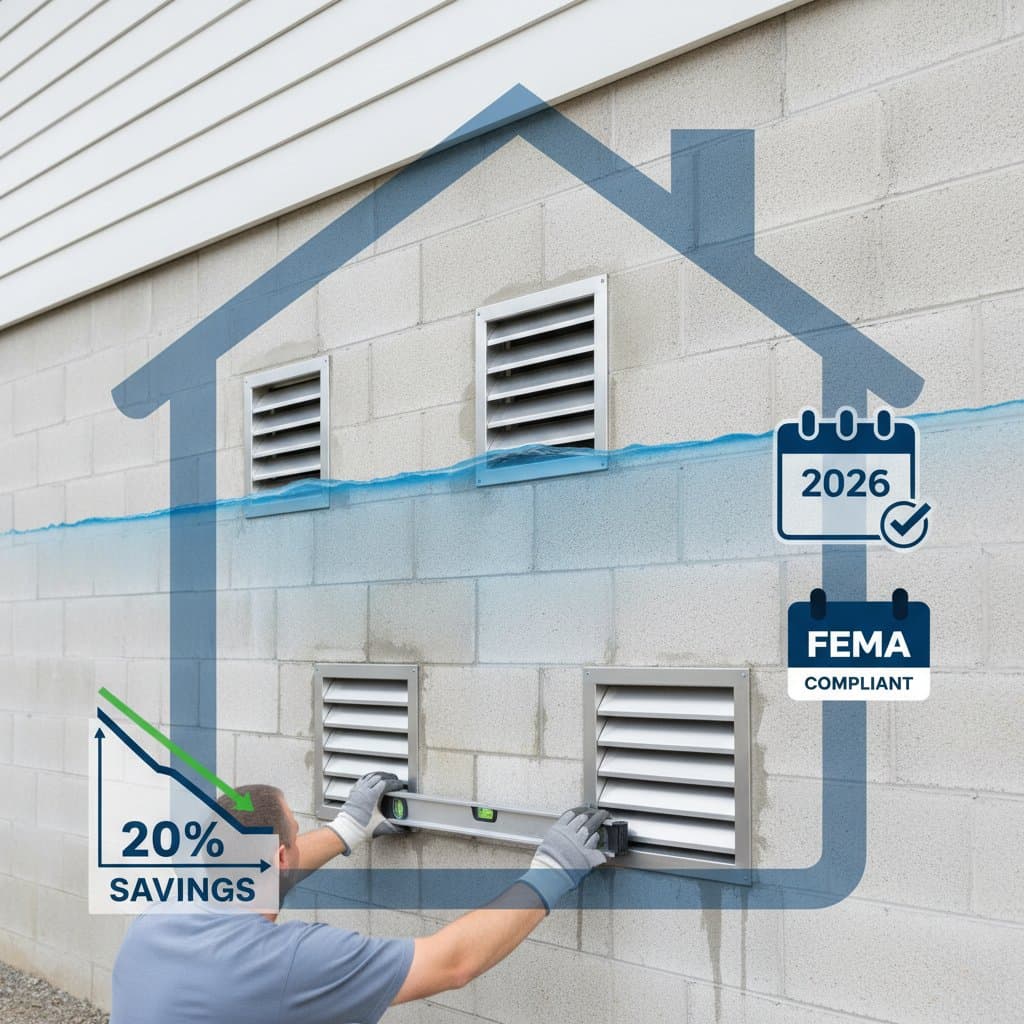
FEMA guidelines shape community participation in the National Flood Insurance Program through floodplain management criteria. Properties in identified flood zones require specific construction features, such as adequate flood openings in enclosed spaces below the base flood elevation. These openings equalize hydrostatic pressure during inundation, thereby preventing foundation failure or wall breaches.
Non-compliant structures encounter elevated premiums or potential denial of insurance. With 2026 updates, evaluations will scrutinize vent certifications, positions, and dimensions more rigorously. Proactive measures spare owners from expensive modifications or fines in the future.
Detailed Cost Analysis
Installation for a standard residence ranges from $800 to $4,000, influenced by vent quantity, surface types, and local labor charges.
Typical cost components:
| Component | Low-End Estimate | High-End Estimate |
|---|---|---|
| Engineered vents (per unit) | $200 | $600 |
| Installation labor (per vent) | $150 | $350 |
| Concrete or masonry work | $300 | $800 |
| Certification and inspection | $150 | $300 |
Properties featuring crawl spaces or enclosed parking areas often demand additional units, elevating overall expenses. Nevertheless, premium reductions typically recoup the outlay over several years.
Guide to Upgrading with Flood Vents
1. Evaluate Flood Risk
Consult FEMA flood maps or your municipal building authority to verify zone status. Placement in a Special Flood Hazard Area mandates vent implementation.
2. Examine Current Features
Existing vents or drainage holes might seem adequate yet fail FEMA equalization criteria. Engage a certified flood specialist for thorough assessment.
3. Select Approved Vents
Opt for products endorsed by the International Code Council Evaluation Service or equivalent bodies. Retain records for insurance submissions.
4. Obtain Quotes
Solicit bids from at least two qualified professionals versed in FEMA projects. Request detailed proposals and client testimonials.
5. Arrange Fitting
Time the work prior to peak flood periods. Specialists will bore openings, fit vents, and secure seals against pests and drafts.
6. Confirm Adherence
Obtain a compliance certification post-installation, along with revised elevation certificates if needed. Forward documents to your insurer for rate adjustments.
Advantages and Drawbacks of Flood Vents
Advantages:
- Substantial reductions in flood insurance premiums
- Preservation of building stability amid flooding
- Enhanced marketability for properties in risk areas
- Full alignment with FEMA and NFIP protocols
Drawbacks:
- Initial expenditure on supplies and fitting
- Necessity of expert validation for approval
- Occasional maintenance to clear obstructions
The preliminary investment generally yields superior returns via decreased premiums and mitigated repair needs.
Sustaining Flood Vent Performance
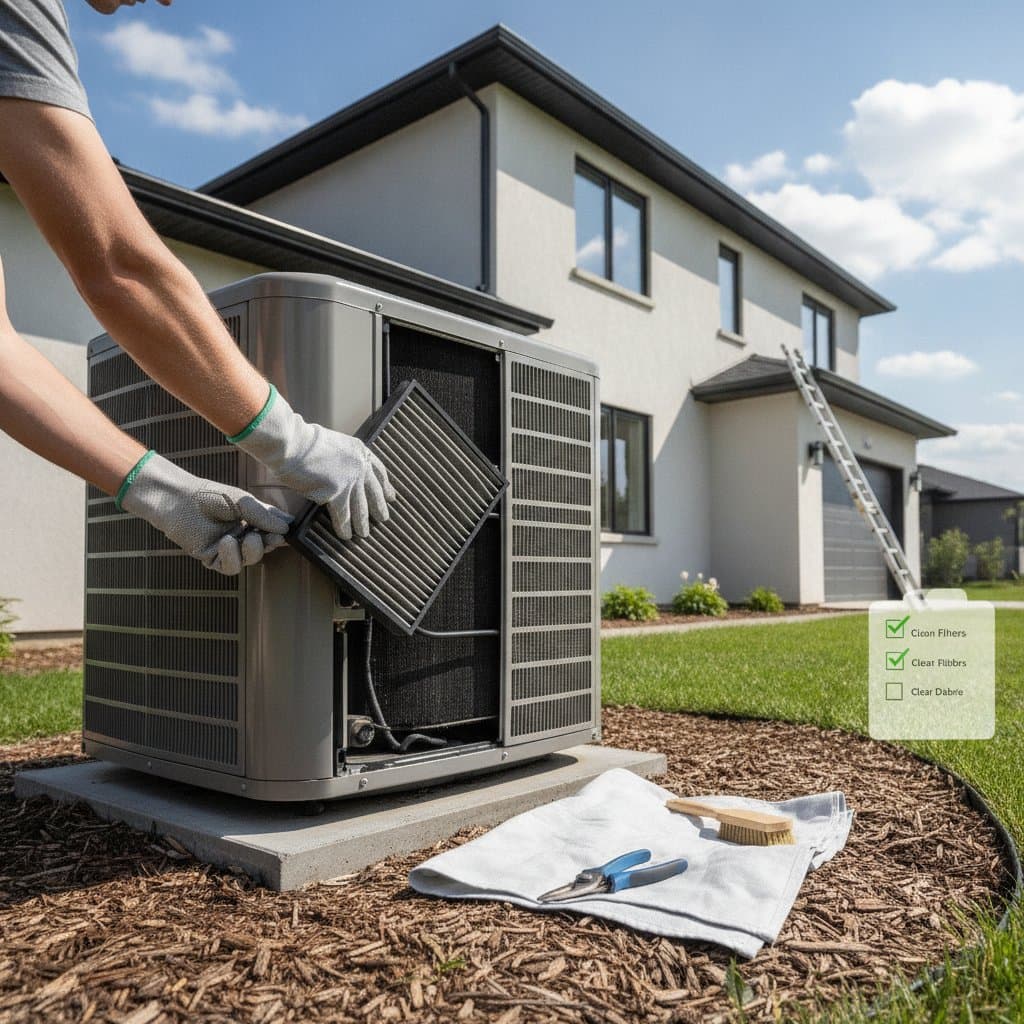
Installed vents demand little ongoing care, though regular checks preserve efficacy. Examine units biannually, particularly following intense weather. Clear accumulations of foliage, sediment, or nests that impede flow. Inspect metallic elements for rust and ensure mechanisms move without resistance.
Secure Your Property with Flood Vents
Adhering to FEMA vent standards serves as both a regulatory obligation and a prudent economic choice. Certified installations diminish premiums, fortify foundations, and provide reassurance against severe conditions.
For residences in flood-designated zones, initiate a professional review promptly. Partner with a FEMA-knowledgeable contractor to assess vent requirements and optimal placements.