Understanding Medicare's Coverage for Grab Bar Installations Starting in 2026
Grab bars serve as essential safety features in bathrooms, particularly for older adults or individuals experiencing mobility difficulties. These devices provide stable support during transfers in and out of bathtubs or showers, significantly lowering the risk of slips and falls. Falls represent a leading cause of injury among seniors, with statistics indicating that one in four adults over age 65 experiences a fall each year, often resulting in serious consequences such as fractures or hospital stays. Until recently, the expense of installing these bars deterred many from making such improvements. However, Medicare introduces coverage for grab bar installations in 2026 as part of its broader initiative to support home modifications that promote safety and independence. This change allows eligible beneficiaries to access professional installations at reduced out-of-pocket costs, transforming bathrooms into safer environments without financial strain.
The inclusion of grab bars under Medicare aligns with efforts to prevent injuries and reduce long-term healthcare expenses. By covering these upgrades, Medicare encourages proactive measures that enable individuals to age in place comfortably. Homeowners now have an opportunity to address potential hazards before accidents occur, fostering confidence in daily routines.
Essential Details on Grab Bars and Their Benefits
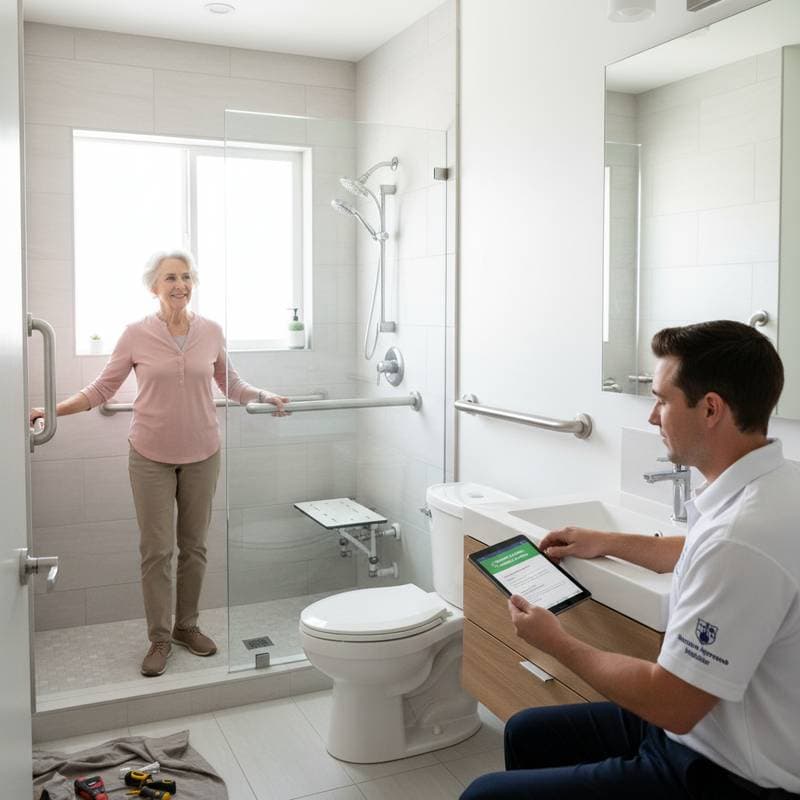
Grab bars consist of durable, non-slip metal or composite rods mounted securely to walls. They typically measure 18 to 42 inches in length and 1.25 to 1.5 inches in diameter, designed to withstand weights up to 250 pounds or more when properly installed. Placement matters greatly: vertical bars near toilets aid in rising from seated positions, while horizontal ones beside showers facilitate entry and exit. Beyond basic support, these bars contribute to overall home accessibility, complementing other modifications like raised toilet seats or non-slip mats.
The lifespan of quality grab bars extends 10 to 15 years with minimal maintenance, such as occasional cleaning to prevent corrosion. Installation requires attention to wall composition, ensuring anchors penetrate into studs for maximum strength. Medicare's coverage emphasizes professional work to meet safety standards, avoiding common pitfalls like inadequate reinforcement that could compromise effectiveness.
Key facts include:
- Average Cost per Bar: $100 to $300, encompassing materials and labor.
- Installation Time: 1 to 2 hours for each bar, depending on bathroom layout.
- Durability: Engineered to support repeated use without loosening.
- Installation Complexity: Moderate for experienced DIYers, but straightforward for certified professionals.
These elements highlight why grab bars offer a high-return investment in safety.
Analyzing Costs: Before and After Medicare Coverage
Prior to this coverage, installing grab bars involved several expense categories. Hardware alone ranges from $30 to $80 per bar, with options varying by material, such as stainless steel for rust resistance or textured finishes for better grip. Labor charges add $70 to $200 per unit, influenced by regional rates and the need for specialized tools like stud finders or drywall anchors. Additional costs arise for wall reinforcement, priced at $50 to $150, especially in older homes with plaster walls or tile surfaces that demand careful preparation to avoid cracks.
Medicare's 2026 policy shifts this landscape by reimbursing a substantial portion of these costs for qualifying individuals. Beneficiaries may face only a modest copay, often 20 percent of the approved amount, or nothing at all under certain supplemental plans. For a typical bathroom setup requiring three to five bars, total savings could reach $500 to $1,000. Coverage applies specifically to installations deemed medically necessary, such as those prescribed for conditions like arthritis, balance disorders, or post-surgery recovery. This targeted approach ensures resources support those who benefit most, while encouraging comprehensive upgrades that address multiple risk areas.
Homeowners should note that Medicare Part B typically handles durable medical equipment and related services, but verification with providers remains crucial. Supplemental insurance, known as Medigap, may further minimize expenses, creating a layered safety net for accessibility improvements.
Weighing DIY Installation Against Professional Services
Many consider a do-it-yourself approach to grab bar installation, drawn by potential savings and the satisfaction of personal handiwork. Basic kits include the bar, mounting hardware, and instructions, making the process accessible for those with carpentry skills. Essential tools comprise a drill, level, tape measure, and heavy-duty anchors. Success hinges on identifying wall studs, typically spaced 16 inches apart, and using toggle bolts or molly anchors for hollow spaces to achieve secure fastening.
Despite these possibilities, professional installation carries distinct advantages, particularly under Medicare guidelines. Licensed contractors possess expertise in building codes, ensuring compliance with standards like those from the American Standards Association for grab bar load-bearing capacity. They assess unique bathroom features, such as moisture exposure or uneven surfaces, and apply sealants to protect against water damage. Medicare often mandates professional involvement for reimbursement, viewing it as a guarantee of quality and safety.
Risks of improper DIY work include bars pulling free under stress, leading to falls or structural harm. Professionals mitigate these issues through thorough inspections and warranties, often lasting one to five years. For most, the assurance of expert execution outweighs initial cost differences, especially when health outcomes depend on reliability.
Steps to Access Your Medicare-Covered Grab Bar Upgrade
Navigating Medicare coverage requires a structured process to secure approval and execution. Begin by consulting a physician to establish medical necessity. The doctor evaluates mobility needs and provides a written prescription, detailing how grab bars address specific health concerns. This documentation forms the foundation for claims.
Next, reach out to Medicare or your plan administrator to review eligibility and coverage specifics. Inquire about approved providers in your area and any pre-authorization requirements. Gather information on copays or deductibles to budget accurately.
Obtain detailed estimates from licensed contractors experienced in Medicare billing. Select professionals certified in accessibility modifications, requesting breakdowns of costs for hardware, labor, and any reinforcements. Compare at least three quotes to ensure competitive pricing.
Upon approval, schedule the installation promptly. Technicians will coordinate with your physician if needed and submit claims directly to Medicare, streamlining reimbursement. Post-installation, test the bars for stability and adjust as necessary for optimal use.
- Secure a doctor's recommendation documenting medical need.
- Verify coverage through Medicare or plan provider.
- Collect written bids from qualified installers.
- Arrange the work after receiving confirmation.
This sequence minimizes delays and maximizes benefits.
Realizing Safer, More Independent Living Through Supported Upgrades
Incorporating grab bars into bathroom design elevates daily life by minimizing injury risks and supporting autonomy. Medicare's coverage removes financial barriers, empowering individuals to maintain familiar surroundings amid changing health needs. Professional installations not only meet rigorous standards but also integrate seamlessly with existing fixtures, preserving aesthetic appeal.
Consider the broader impact: fewer falls translate to reduced medical visits, lower healthcare costs, and sustained quality of life. Families gain reassurance knowing loved ones navigate routines securely. Act now by initiating the consultation process, selecting durable products suited to your space, and partnering with reliable experts. These steps pave the way for a home that adapts to you, ensuring safety endures alongside comfort.