2026 Flood Sensors: Stop Water Damage Before It Starts
Small leaks often escalate into major disasters more quickly than homeowners anticipate. A burst hose behind a washing machine, a persistent drip under a sink, or a malfunctioning sump pump can result in thousands of dollars in repairs and extensive cleanup efforts. Modern flood sensors address these risks by detecting moisture early, which allows time for intervention before significant damage occurs. These devices require no advanced technical knowledge to use effectively; clear instructions make installation straightforward for most individuals.
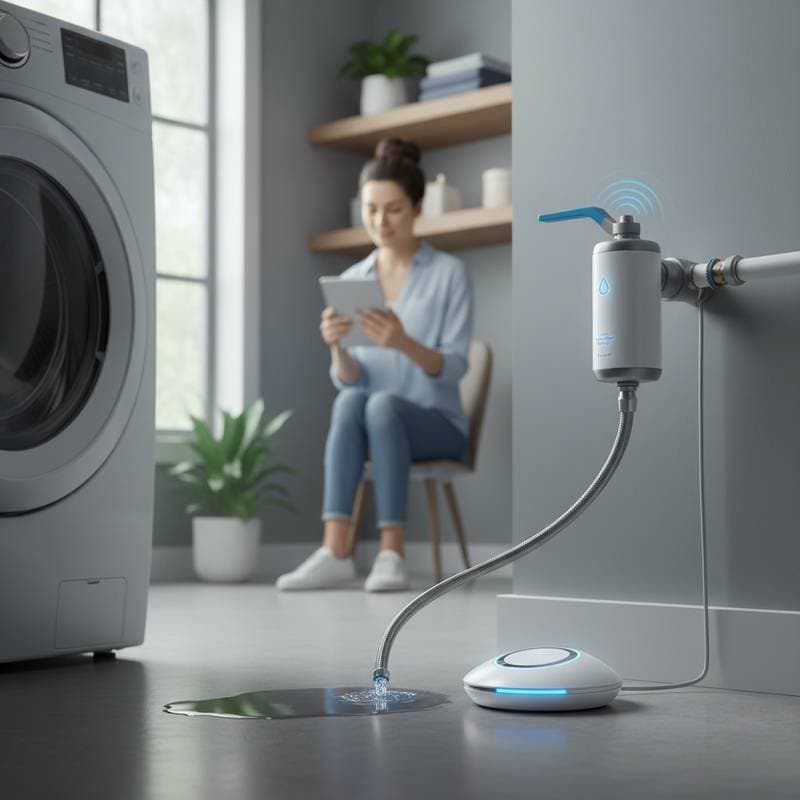
Flood sensors operate by monitoring for water presence in vulnerable areas such as basements, laundry rooms, and kitchens. Upon detection, they trigger audible alarms and send notifications to smartphones via connected apps. Advanced models integrate with home systems to automatically close water valves, minimizing flow until the issue resolves. Homeowners gain substantial control over potential threats through this proactive technology.
Essential Maintenance Tasks for Leak Prevention
Flood sensors provide robust protection, yet they function optimally alongside routine home maintenance practices. Implementing these habits reduces the likelihood of leaks forming in the first place. The following steps offer practical guidance for ongoing vigilance.
- Inspect hoses and fittings on washing machines, dishwashers, and refrigerators every three to six months. Look for cracks, bulges, or brittleness, and replace components immediately if damage appears.
- Examine areas under sinks monthly for moisture buildup, rust stains, or discolored cabinetry, which signal hidden leaks. Tighten connections or apply plumber's tape as needed.
- Clean gutters and downspouts twice yearly, or after major storms, to prevent water overflow that could infiltrate walls or foundations. Use a ladder and gloves for safe access.
- Test sump pumps quarterly by pouring a bucket of water into the sump pit; verify that the pump activates within seconds and drains efficiently.
- Seal cracks in the foundation with hydraulic cement or polyurethane sealant annually, focusing on areas exposed to soil moisture. Apply in dry conditions for best adhesion.
Adopting these measures establishes a comprehensive barrier against water intrusion. When paired with flood sensors, they enhance overall home resilience without demanding excessive time or resources.
DIY Installation Options
Most flood sensor installations suit capable homeowners, requiring minimal tools and effort. Basic models adhere to floors or walls using double-sided tape and connect wirelessly to a central hub. Follow the manufacturer's app-based tutorial, which guides pairing with Wi-Fi and customizing alert settings in under 30 minutes.
Place sensors in high-risk zones: near water heaters, appliance bases, and low-lying basement spots. For added precision, position them where condensation or spills commonly occur. Wireless designs eliminate the need for drilling or complex wiring, preserving your home's aesthetics.
Users report success with self-setup for single-sensor systems. Download the app, charge the device if battery-powered, and test connectivity by simulating a leak with a wet sponge. This approach empowers homeowners to safeguard their properties independently.
Professional Installation Considerations
Certain flood sensor configurations benefit from expert involvement, particularly those involving shutoff valves or integration with existing smart home ecosystems. Automatic valves require precise plumbing adjustments to avoid leaks or pressure issues. Professionals ensure compliance with local codes and optimal performance.
Hire a licensed plumber for systems that modify water lines, as improper installation risks system failure during emergencies. Expect costs to range from $200 to $500, depending on complexity, but this investment prevents far greater expenses from undetected floods.
Consult a home automation specialist if linking sensors to devices like lights or security cameras. They assess compatibility and configure seamless operation, reducing false alerts through refined programming.
Indicators for Professional Plumbing Assistance
Flood sensors alert to immediate threats, but persistent issues demand expert diagnosis. Schedule a plumber for repeated sensor activations in the same area, indicating underlying pipe corrosion or joint failures. Water stains on ceilings or walls that reappear after drying suggest hidden structural problems.
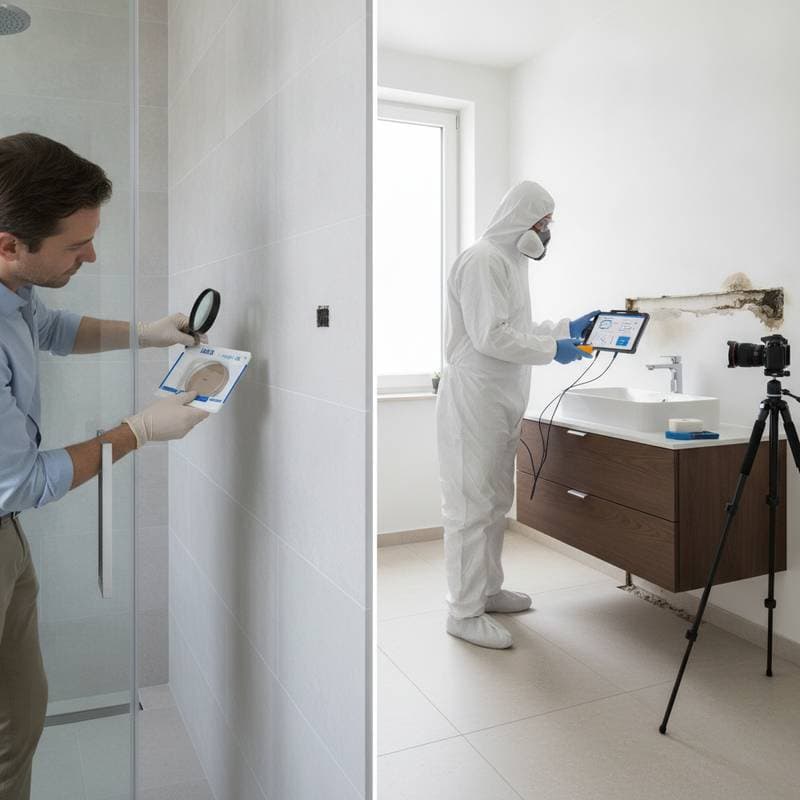
Mold presence, identifiable by musty odors or black spots, requires immediate professional remediation to protect health and property. Experts use tools like moisture meters and cameras to inspect inaccessible pipes.
Annual inspections of key components, including water heaters and main shutoff valves, uncover wear before failures occur. Professionals pressure-test lines and clear sediment buildup, extending system longevity and sensor effectiveness.
Ongoing Sensor Care and Testing Protocols
Flood sensors demand little maintenance, but regular checks guarantee reliability. Replace batteries every six months, or heed app notifications for low power warnings. Lithium batteries in premium models last up to two years under normal conditions.
Conduct monthly tests by exposing the sensor to water droplets or a damp towel; confirm that alarms activate promptly and notifications arrive without delay. Document test dates in a home maintenance log for reference.
Update firmware through the app as releases become available, typically every few months. These enhancements fix bugs, boost sensitivity, and add features like geofencing for away-mode alerts. Relocate sensors seasonally if humidity levels shift, such as during rainy periods.
Store spare parts and manuals in an accessible spot. This preparation ensures quick responses to any issues, maintaining uninterrupted protection.
Steps to Implement Protection Today
Begin water damage prevention by mapping your home's vulnerable areas, such as utility rooms and exterior walls. Select sensors based on coverage needs: start with two or three units for essential spots.
Purchase from reputable suppliers offering warranties and customer support. Install during a quiet weekend, following step-by-step videos if available. Combine with one maintenance task, like hose inspections, to build momentum.
Track progress through a simple checklist app or notebook. Each action reinforces your home's defenses, yielding savings on repairs and reduced stress. Proactive steps transform potential crises into manageable situations, securing long-term tranquility.