Understanding Flood-Resistant Flooring for Home Protection
Selecting the right flooring influences whether a home recovers swiftly from water exposure or faces extensive repairs. For properties in areas susceptible to flooding, flood-resistant materials safeguard investments, stabilize insurance rates, and minimize claim occurrences. These options extend beyond industrial applications into residential settings, where advanced compositions deliver strength, visual appeal, and reasonable pricing to provide homeowners with reliable security alongside aesthetic choices.
Flooding poses risks not only from natural events but also from plumbing failures or heavy storms. Materials engineered for water resistance prevent warping, swelling, or delamination when exposed to moisture. By choosing these floors, owners avoid the financial burden of replacements and contribute to a healthier indoor environment free from mold growth.
Detailed Cost Analysis by Flooring Category
Understanding expenses helps in budgeting for upgrades. Costs vary based on material quality, coverage area, and location-specific factors. The following table outlines key options, including material and total installed prices per square foot.
| Flooring Type | Material Cost (per sq. ft.) | Installed Cost (per sq. ft.) | Regional Considerations |
|---|---|---|---|
| Luxury Vinyl Plank (waterproof core) | $3 - $5 | $6 - $9 | Budget-friendly for humid zones like the Southeast |
| Ceramic or Porcelain Tile | $2 - $7 | $7 - $12 | Superior durability in warmer areas such as Florida |
| Sealed Concrete | $4 - $8 | $6 - $11 | Ideal for basements in Midwest flood plains |
| Epoxy-Coated Floor | $5 - $9 | $8 - $13 | Effective for garages in coastal regions prone to surges |
Premium setups with expert waterproofing typically range from $8 to $12 per square foot. In regions near water bodies, such as the Gulf Coast, anticipate a 10 to 15 percent increase due to stringent building codes and elevated labor rates. Factor in additional expenses for subfloor preparation if existing damage exists.
Luxury Vinyl Plank Features
Luxury vinyl planks feature a waterproof core that blocks moisture penetration, making them suitable for kitchens and bathrooms. These planks mimic wood or stone textures while offering easy maintenance. Lifespans reach 20 to 25 years with proper care, and they pair well with underfloor heating systems.
Tile and Concrete Durability
Ceramic and porcelain tiles withstand submersion without cracking, providing a timeless look for entryways. Sealed concrete suits open-plan spaces, resisting stains from spills. Both require grout sealing to maximize water repellency, extending usability in high-traffic zones.
Epoxy Coating Advantages
Epoxy coatings create a seamless, non-porous surface ideal for areas with potential standing water. Application involves multiple layers for thickness, ensuring resistance to chemicals and abrasion. These finishes last 10 to 20 years and simplify cleaning with basic sweeping.
Installation Approaches: DIY and Professional Options
Deciding between self-installation and hiring experts depends on project scope and skill level. DIY suits smaller areas with straightforward layouts, while complex jobs benefit from professional oversight.
Opt for DIY installation if:
- You possess skills in cutting and adhering vinyl or tiles.
- Tools like moisture detectors and surface levelers are available.
- The workspace remains dry and well-ventilated throughout the process.
Select professional services for:
- Epoxy or concrete applications requiring precise mixing and curing.
- Addressing subfloor issues such as rot or mold remediation.
- Complying with permits in designated flood zones.
Professionals apply sealants at perimeters and transitions, preventing subsurface leaks. Obtain estimates from at least three certified installers to compare quality and pricing.
Practical Strategies to Minimize Expenses
Implementing cost-effective measures enhances protection without exceeding budgets. Focus on complementary techniques that amplify flooring performance.
- Incorporate waterproof underlayment beneath planks or tiles to create an extra barrier against vapor rise, reducing future repair needs.
- Apply caulking along baseboards and wall bases to seal gaps where water might enter during overflows.
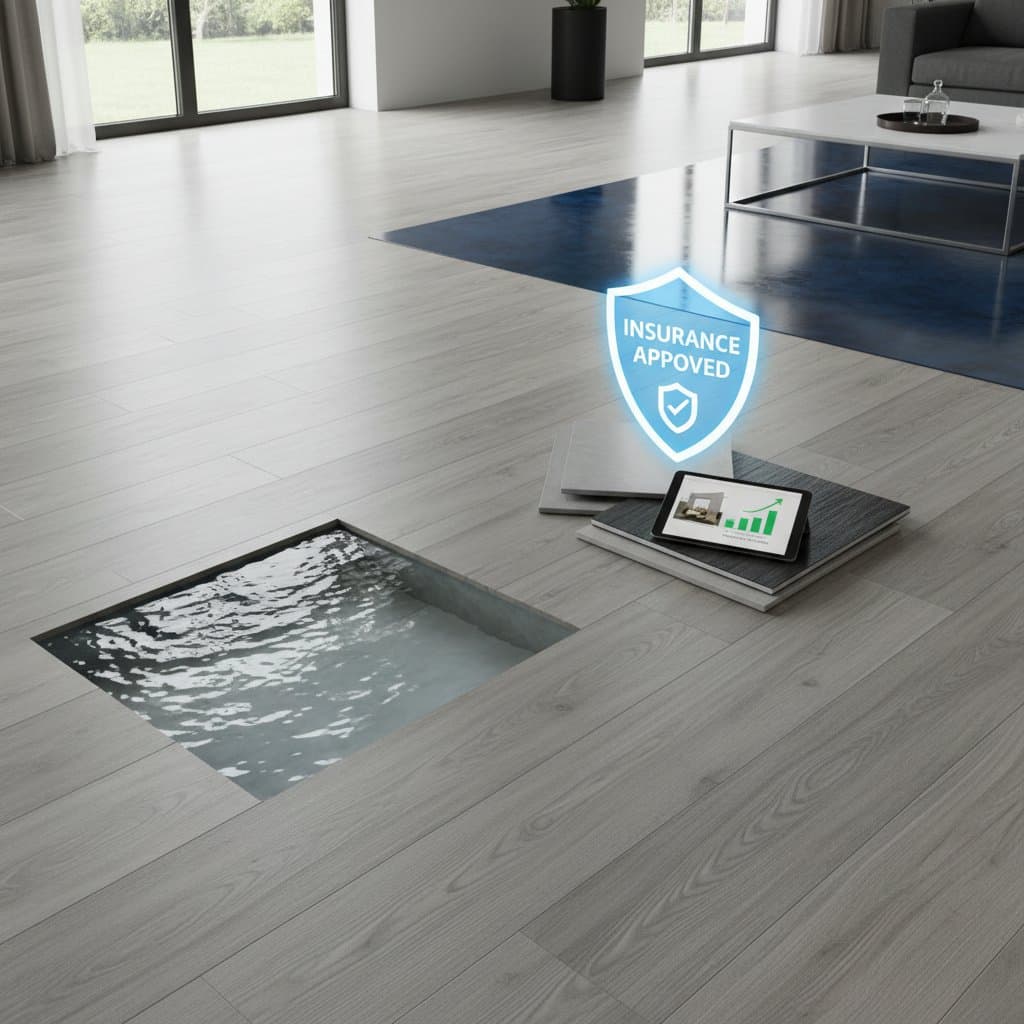
- Inquire about materials certified by insurance providers, which often lead to premium reductions of up to 10 percent.
- Coordinate flooring projects with broader waterproofing efforts, such as foundation sealing, to consolidate labor costs.
These steps not only lower initial outlays but also yield savings over time through fewer interventions.
Enduring Advantages of Upgraded Floors
Beyond immediate defense, flood-resistant flooring boosts overall home appeal and functionality. Properties featuring verified water-resistant enhancements attract buyers quickly in vulnerable markets, often commanding higher sale prices. These surfaces deter mold proliferation, eliminate persistent smells, and facilitate rapid post-flood recovery.
Maintenance remains straightforward, involving regular sweeping and occasional resealing. Over a decade, owners recoup investments via decreased insurance payouts and minimal upkeep. Enhanced air quality from reduced moisture contributes to family well-being.
Steps to Implement Your Upgrade
Begin by examining existing floors for indicators of water intrusion, including warping edges or color shifts. Residents in flood-risk zones should schedule renovations ahead of peak wet periods. Collaborate with contractors versed in regional regulations and elevation standards to achieve full compliance. Such proactive measures secure dryness, control insurance obligations, and foster lasting tranquility.