FEMA Now Requires Engineered Flood Vents for Compliance
FEMA introduces significant updates to flood compliance standards effective in 2025. These changes emphasize engineered flood vents and wet proofing strategies to enhance home resilience in flood-prone areas. Homeowners must adapt to these requirements to maintain insurance eligibility and reduce financial risks.
Understanding Engineered Flood Vents
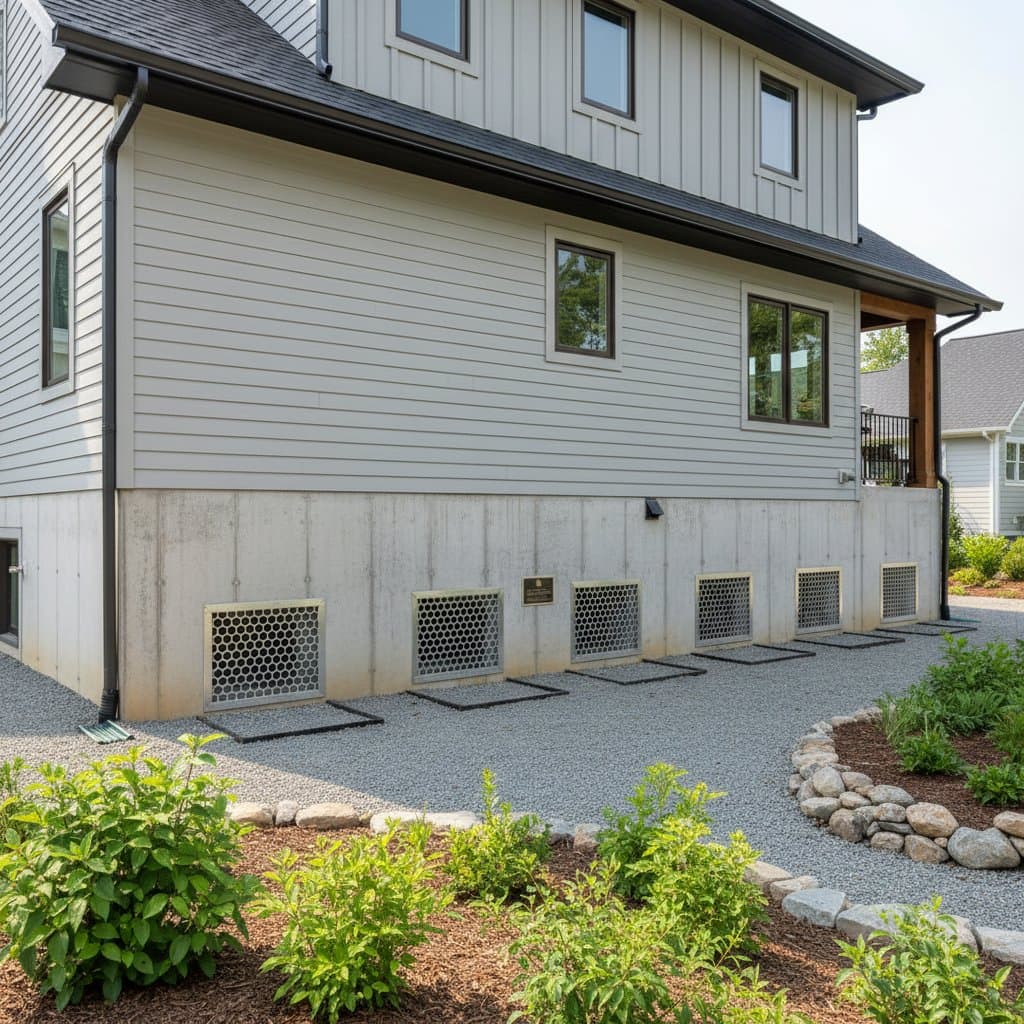
Engineered flood vents represent a critical component in modern flood mitigation. Unlike traditional vents, these devices feature mechanical or electrical systems that automatically open during high water events and close afterward to prevent further water entry. Certification from organizations such as the International Code Council ensures their reliability and compliance with building codes.
These vents allow floodwaters to flow through enclosed spaces beneath elevated structures, equalizing hydrostatic pressure. This process minimizes structural damage to foundations and walls. Property owners benefit from reduced repair costs and preserved structural integrity over time.
FEMA's 2025 Flood Compliance Updates
The Federal Emergency Management Agency mandates engineered flood vents for new constructions and substantial improvements in Special Flood Hazard Areas. This rule stems from updated National Flood Insurance Program guidelines aimed at promoting sustainable flood-resistant designs. Non-compliance may result in higher insurance premiums or denial of coverage.
Wet proofing complements these vents by incorporating water-resistant materials in lower-level finishes and utilities. FEMA specifies that vents must cover at least one square inch of net open area per square foot of enclosed space. Regular inspections verify that installations meet these precise measurements.
Benefits of Compliance with New Standards
Adopting engineered flood vents lowers flood insurance premiums through FEMA's Community Rating System. Insurers recognize the reduced risk, often offering discounts up to 45 percent in participating communities. This financial incentive encourages widespread adoption among homeowners.
Beyond cost savings, compliant designs protect against foundation erosion and mold growth. Elevated utilities and breakaway walls further safeguard investments. Properties with these features typically experience higher market values due to enhanced resilience.
Steps to Achieve FEMA Compliance
Assess your property's flood zone status using FEMA's Flood Map Service Center. Determine if your home requires elevation or enclosure modifications based on local elevation certificates. Consult certified engineers to design vent placements that align with site-specific hydrology.
- Select certified engineered vents from reputable manufacturers.
- Install vents at the lowest horizontal structural member, spaced no more than six feet apart.
- Ensure vents remain unobstructed and operable without manual intervention.
- Document installations with photographs and engineer certifications for insurance records.
- Schedule annual maintenance to check for debris buildup or mechanical failures.
These steps provide a clear path to certification and ongoing protection.
Integrating Wet Proofing Techniques
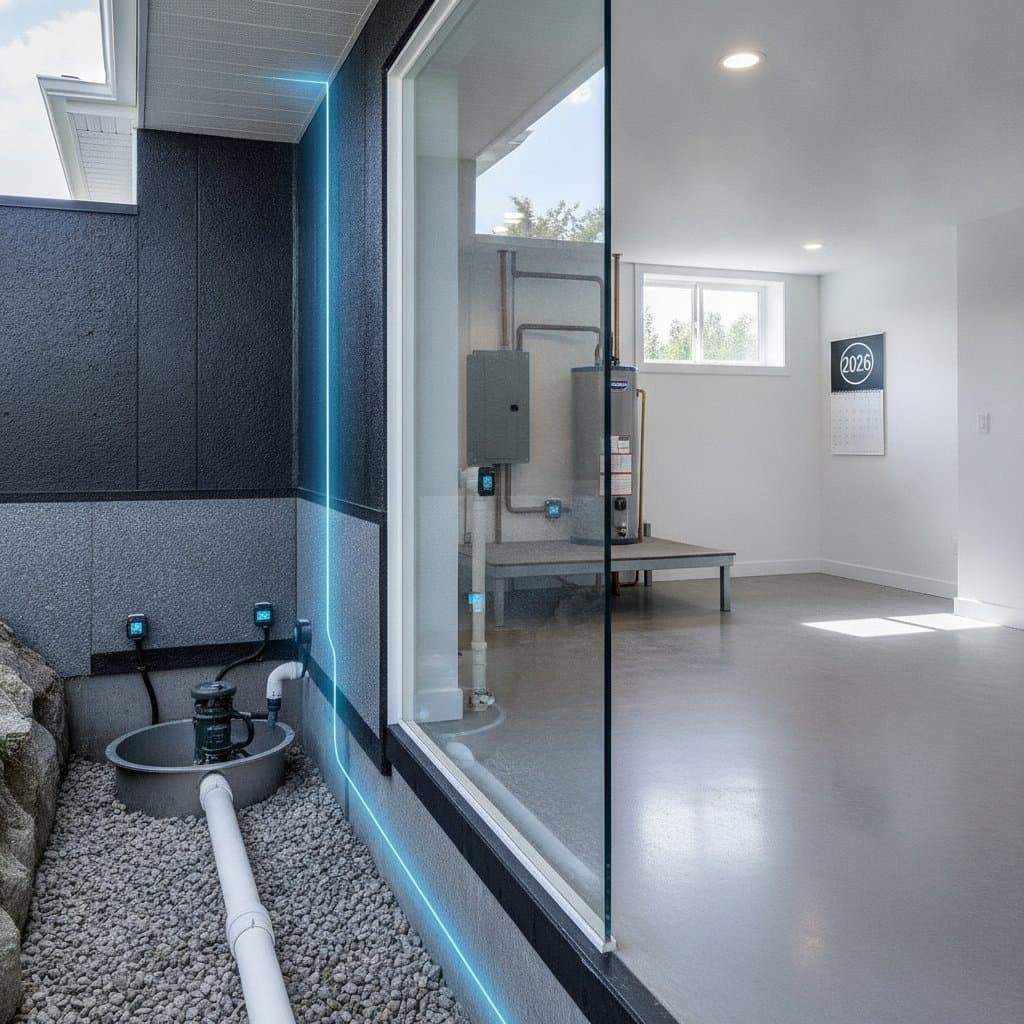
Wet proofing involves selecting materials that withstand prolonged water exposure. Use sealed concrete floors and corrosion-resistant electrical systems in potential flood areas. Avoid permanent fixtures in these spaces to facilitate post-flood cleanup.
Combine wet proofing with flood vents for comprehensive defense. For instance, install sump pumps in conjunction with vents to manage residual water. This layered approach addresses both pressure equalization and water removal efficiently.
Common Challenges and Solutions
One frequent issue involves retrofitting existing homes with engineered vents. Structural modifications may require permits and professional oversight to avoid compromising stability. Budget for these updates during routine renovations to minimize disruptions.
Another challenge arises in densely built areas where vent placement proves difficult. Opt for compact, high-capacity models that fit tight spaces. Engage local floodplain managers early to navigate zoning restrictions and gain approval.
Long-Term Strategies for Flood Resilience
Incorporate flood vents into broader resilience plans, including landscape grading and permeable surfaces. These elements reduce surface water accumulation around foundations. Monitor weather forecasts and participate in community flood warning systems for proactive responses.
Regularly review insurance policies to ensure coverage matches updated compliance levels. Consider elevating critical systems above the base flood elevation for added security. These measures extend beyond vents to create a fortified home environment.
Safeguarding Your Investment Through Compliance
Meeting FEMA's engineered flood vent requirements secures your home against escalating flood threats. Lower insurance costs and preserved property value reward proactive owners. Implement these standards today to build lasting protection for your family's future.