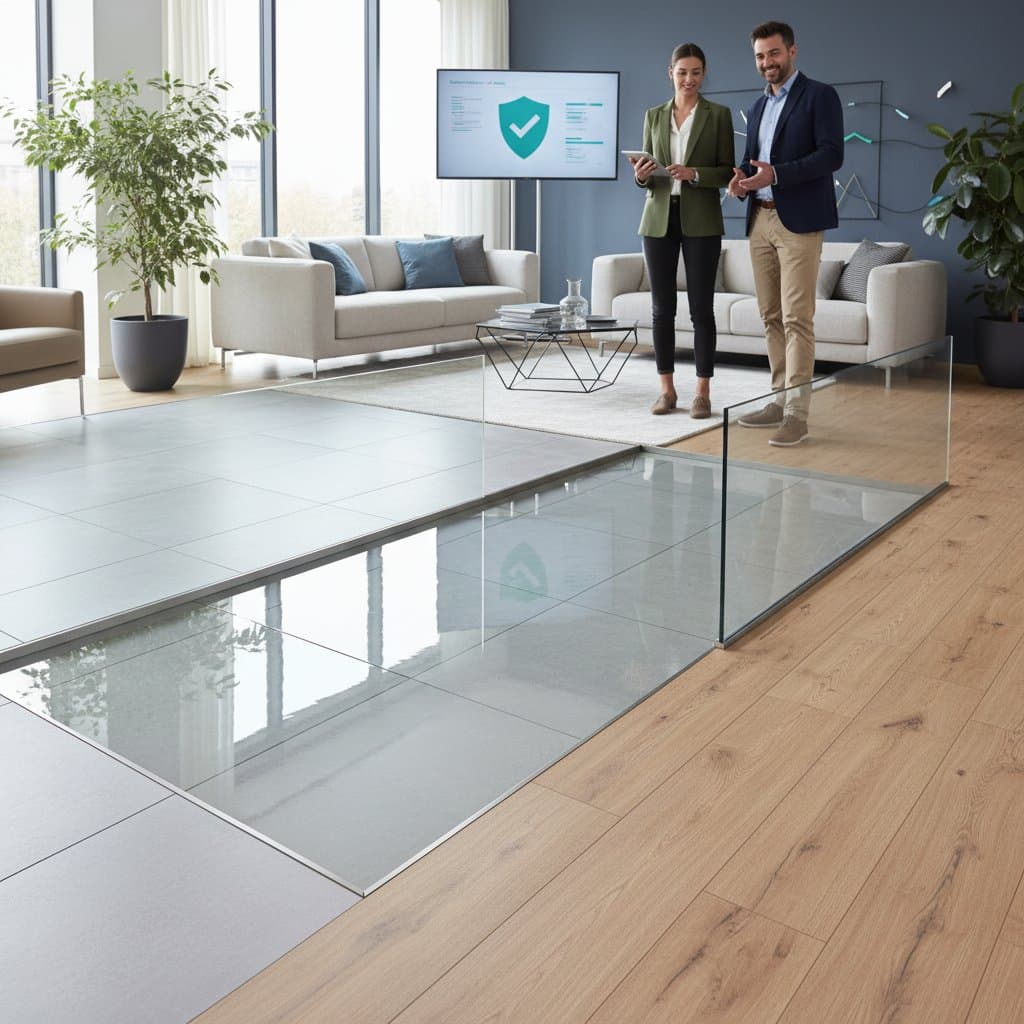
Flood-Resistant Floors That Cut Insurance Claims
Heavy rainstorms or unexpected leaks can transform a comfortable home into a site of significant damage within hours. Traditional flooring materials often succumb quickly to water, resulting in warped surfaces, mold growth, and structural issues that drive up repair costs and insurance premiums. Flood-resistant flooring options address these vulnerabilities by withstanding moisture exposure, minimizing damage, and facilitating quicker recovery. Homeowners in any region benefit from these materials, as even minor water incidents pose risks to unprepared floors.
Understanding Flood-Resistant Flooring
Flood-resistant flooring consists of materials engineered to endure temporary submersion without compromising integrity. These options resist warping, swelling, and mold development, which preserves the home's overall structure. Selecting such flooring serves as a proactive measure that enhances durability and provides reassurance against water-related threats.
Key benefits extend beyond immediate protection. Insurers often recognize the reduced risk associated with these materials, potentially leading to lower premiums or fewer claim denials. For instance, homes equipped with resilient floors experience less severe damage during floods, which translates to faster claims processing and reduced out-of-pocket expenses. This investment not only safeguards assets but also maintains property value over time.
Top Materials for Water Resistance
Several materials excel in flood-prone environments, each offering unique advantages in durability and aesthetics.
-
Vinyl Plank Flooring: This synthetic option features a waterproof core that prevents water penetration. It mimics wood or stone appearances while remaining affordable and easy to install over existing subfloors. Vinyl's seamless construction eliminates gaps where moisture could accumulate.
-
Porcelain or Ceramic Tile: Known for impermeability, these tiles handle standing water without absorbing it. Grout lines sealed with epoxy enhance resistance, and their hard surface supports heavy foot traffic in high-moisture areas like kitchens or bathrooms.
-
Concrete with Sealants: Polished or stained concrete provides a solid base that repels water when treated with penetrating sealers. This choice suits basements or garages, where elevation from ground level adds an extra layer of protection.
-
Engineered Bamboo or Luxury Vinyl: These combine natural aesthetics with synthetic waterproofing layers. Bamboo variants treated for moisture resistance offer sustainability without sacrificing performance.
When choosing, consider the room's usage and local climate. Professional assessments ensure compatibility with subfloor conditions, maximizing effectiveness.
Recognizing Early Indicators of Water Intrusion
Vigilance remains essential, even with resilient flooring. Prompt identification of issues prevents escalation into major problems.
Monitor for these subtle cues:
-
Softened or depressed sections in the flooring surface, indicating underlying saturation.
-
Fading colors or raised bubbles on vinyl surfaces, signaling adhesive failure from moisture.
-
Shifting tiles or crumbling grout, which expose subfloors to further exposure.
-
Persistent damp smells, hinting at concealed water pockets beneath the material.
Addressing these promptly involves inspecting plumbing fixtures and exterior drainage. Simple tools like moisture meters aid in detection, allowing targeted repairs before widespread impact.
Affordable Strategies to Enhance Protection
Full replacements demand significant investment, yet incremental upgrades deliver substantial safeguards without breaking the budget.
Consider implementing these measures:
-
Coat existing concrete or tile with a high-quality acrylic sealant to create a moisture-repelling barrier that lasts several years.
-
Layer underlayment films or membranes beneath laminate or vinyl installations to block vapor transmission from below.
-
Place absorbent, waterproof rugs or mats in vulnerable zones such as doorways, bathrooms, and utility areas to capture spills immediately.
-
Raise appliances and furniture on platforms or legs to limit contact with potential floodwater, preserving both floors and contents.
These steps integrate seamlessly into routine home maintenance, yielding returns through extended material lifespan and diminished repair needs.
Essential Maintenance Practices
Sustained performance of flood-resistant flooring relies on consistent upkeep. Preventative actions fortify the system's resilience against environmental stresses.
Regularly clear gutters and downspouts to direct rainwater away from foundations. Examine seals around windows, doors, and basement walls for cracks that could permit entry. Deploy dehumidifiers in damp-prone rooms to maintain optimal humidity levels below 50 percent.
In the event of water exposure, act swiftly: remove standing water with wet vacuums, ventilate the space, and employ fans for thorough drying. Lift baseboards to inspect and dry hidden areas, preventing mold establishment. Schedule annual professional inspections to verify sealant integrity and material condition.
Building Long-Term Resilience
Adopting flood-resistant flooring equips homeowners to confront water challenges head-on. These materials not only curtail immediate damages but also streamline insurance interactions, fostering financial stability. Through informed selection, vigilant monitoring, and diligent care, properties endure seasonal shifts and unforeseen events with minimal disruption. This approach ensures homes remain safe, functional, and valuable for years ahead.