Understanding Greywater Systems in the Face of 2026 Droughts
Home renovation expenses continue to rise nationwide, with water scarcity emerging as a primary factor. Municipal water restrictions grow stricter, landscapes suffer from dryness, and utility bills increase steadily. In this context, greywater systems transition from environmental enhancements to practical necessities. Homeowners preparing for the impending drought cycle find that a thoughtfully designed greywater system delivers substantial financial benefits.
Water management solutions have become essential in arid areas. Consider the experience of renovating properties in dry climates: a neglected lawn during peak summer heat due to watering bans highlights the urgency. Following the installation of a greywater system, water bills decreased by approximately one-third, and the property achieved a higher resale price. Such outcomes demonstrate tangible returns rather than abstract concepts.
The Rising Appeal of Greywater Systems
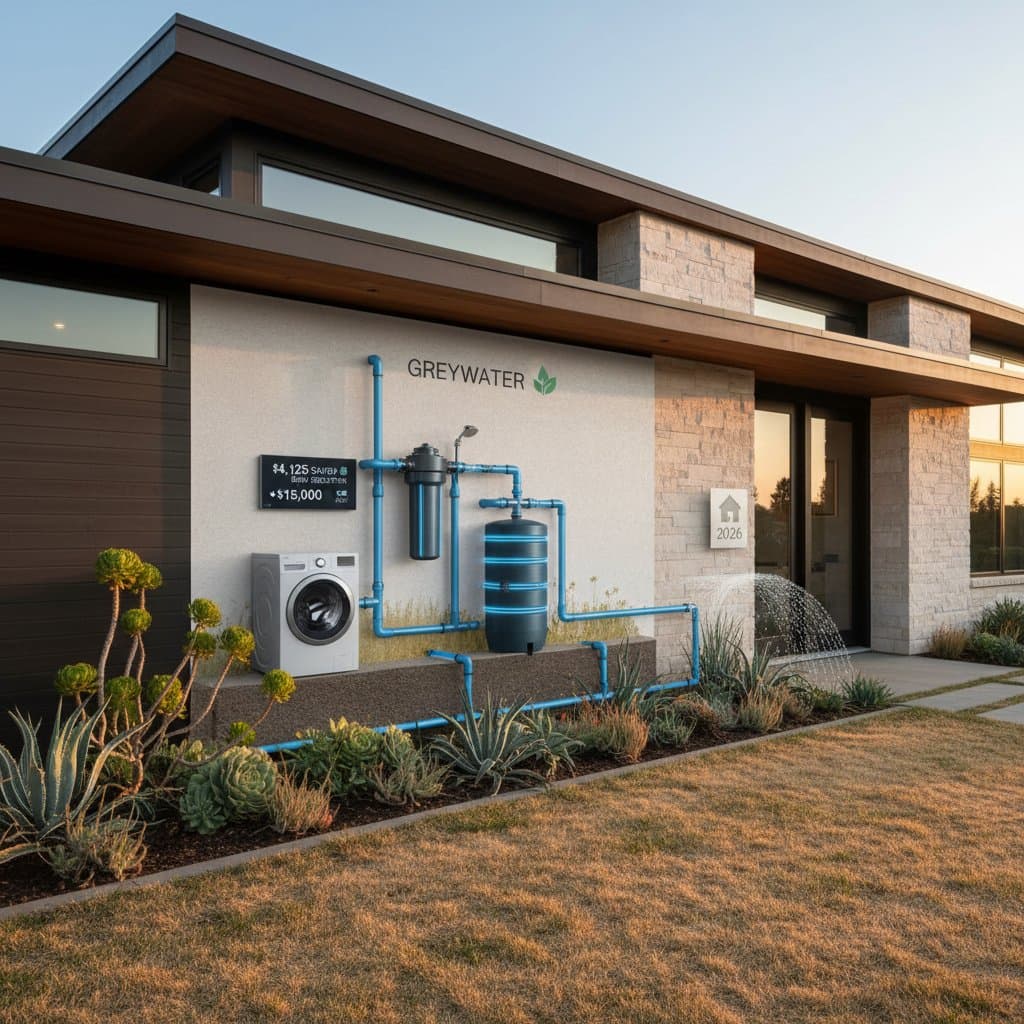
Frequent droughts impact broad regions, prompting buyers to prioritize water efficiency on par with solar installations and improved insulation. Greywater systems repurpose mildly contaminated water from showers, sinks, and laundry machines for irrigating landscapes or flushing toilets. These setups can decrease overall household water consumption by 30 to 40 percent, leading to reduced monthly expenses and greater market appeal for the property.
Real estate professionals observe that residences equipped with sustainable water technologies attract offers more quickly and at prices nearer to the listing. A greywater system conveys prudent management and sustained cost savings, qualities that resonate with discerning purchasers in competitive markets.
Choosing Between DIY and Professional Installation
For individuals skilled in basic plumbing and focused on simple landscape irrigation, a DIY approach proves feasible. The process involves redirecting drain lines from laundry areas or bathroom sinks to an external storage tank connected to irrigation lines. While materials remain straightforward, adherence to local codes presents challenges. Regulations often prohibit greywater from contacting edible crops or public pathways.
Systems integrating with indoor plumbing or toilets demand the expertise of a licensed plumber or certified water specialist. Cross-contamination risks between greywater and drinking water supplies necessitate professional involvement. Labor costs range from $90 to $150 per hour, with projects requiring three weeks for approvals and inspections.
- Obtain estimates from at least three regional contractors to evaluate options.
- Factor in variables such as soil type, site accessibility, and current plumbing configuration, which influence total expenses.
Evaluating Return on Investment and Savings
A family of four typically conserves 20,000 to 30,000 gallons of water annually through a properly maintained greywater system. Based on prevailing utility rates, this yields $350 to $600 in yearly savings. Across the system's 20- to 25-year lifespan, cumulative benefits reach $7,000 to $10,000, often offsetting initial outlays. Municipal incentives, including rebates covering up to 25 percent of costs, further enhance financial viability.
Appraisers and prospective buyers now value water-efficient homes similarly to energy-efficient ones. Properties resilient to drought conditions fetch premiums, especially in dry or transitional climates. Beyond resale advantages, the assurance of a reliable water source provides ongoing peace of mind.
Navigating Safety Protocols and Regulatory Compliance
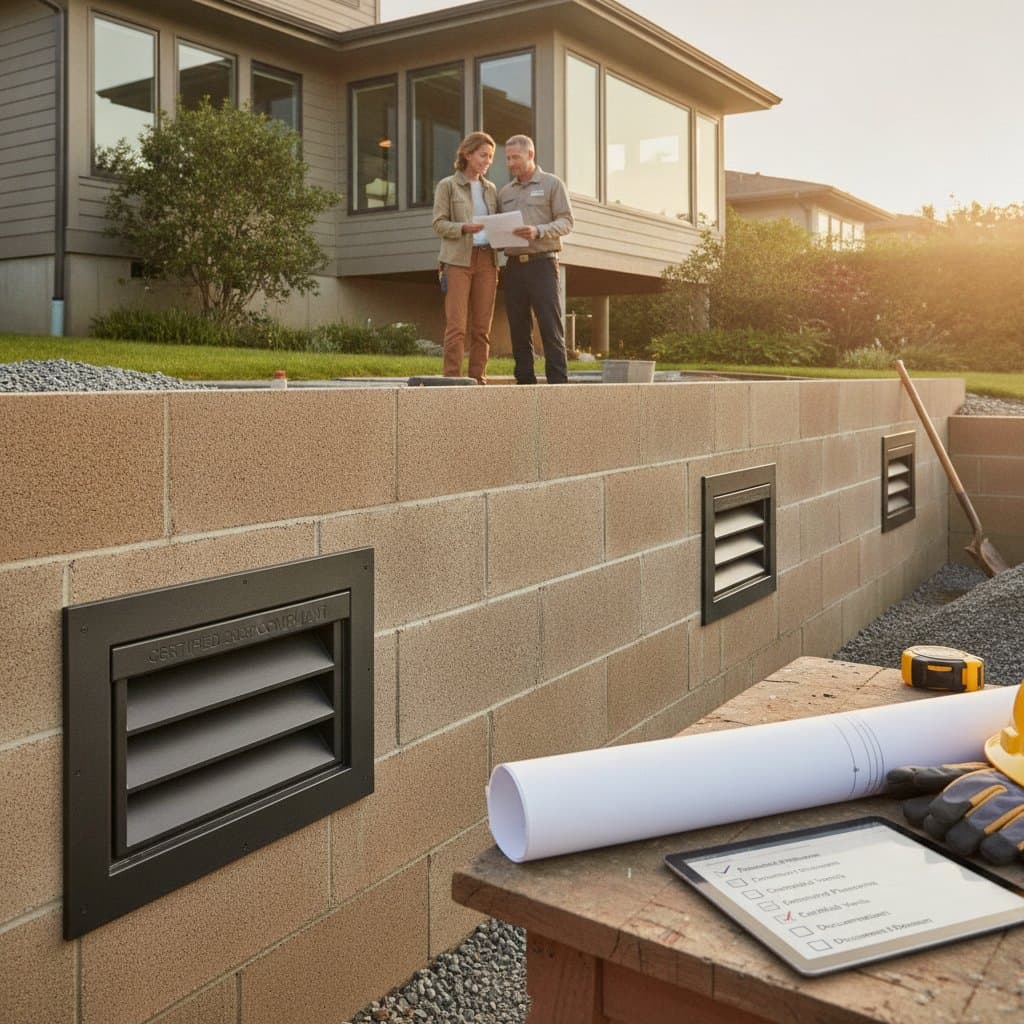
Local authorities establish distinct guidelines for greywater installations. Systems must isolate greywater from sewage and drinking water sources. Required components include backflow prevention devices, while storage units need secure seals to deter insect proliferation. Indoor reuse applications may mandate filtration or treatment processes.
Permits represent a critical step; unapproved systems pose health risks and could complicate future sales. Contact the local building authority prior to any work. Certified installers typically manage permitting, minimizing potential complications.
- Review jurisdiction-specific codes for separation and treatment standards.
- Install mandatory safety features like valves and sealed tanks.
- Schedule inspections to verify compliance and functionality.
Steps to Implement Your Greywater System
Rising water bills and drought alerts signal the need for proactive measures. Begin by analyzing household water patterns to pinpoint high-volume greywater sources, such as laundry and bathing facilities. Next, solicit proposals from contractors experienced in sustainable water solutions.
Utilize a structured planning tool to map design elements, secure approvals, and allocate funds. This preparation streamlines the timeline and avoids common pitfalls once construction commences.
Sustaining Gains Through Greywater Integration
Greywater systems extend beyond environmental commitments; they safeguard against escalating utilities and variable climate patterns. Persistent reductions in expenses, vibrant outdoor spaces, and elevated market positioning create compelling long-term advantages. In communities prone to water shortages, such installations position properties as reliable and forward-thinking assets.