Key Takeaways
- Mold insurance denials often stem from preventable moisture issues or lack of documentation.
- Strategic renovations that improve ventilation, drainage, and moisture barriers greatly reduce risk.
- Insurers are tightening mold coverage requirements, making proactive design updates more valuable than ever.
Why Are Mold Insurance Denials Rising?
Insurers are increasingly denying mold-related claims because they see most mold growth as a maintenance failure rather than an unexpected event. The short answer is that mold often results from long-term dampness, poor ventilation, or neglected repairs.
Expanding on that, when a homeowner files a claim for mold damage, adjusters typically look for a root cause like a hidden leak, roof failure, or condensation buildup. If the problem appears to have developed slowly, the insurer may classify it as neglect. That means the cost of remediation or replacement comes out of the homeowner’s pocket.
This is why renovation planning in the coming year should focus not only on looks and comfort but also on moisture resilience.
Highlights
- Coverage for mold damage is often excluded unless tied to a covered peril like a burst pipe.
- Renovations that improve moisture control can prevent denials and lower long-term repair costs.
- Updated ventilation and barrier systems support both energy efficiency and insurance compliance.
How Moisture Barriers and Drainage Systems Influence Coverage
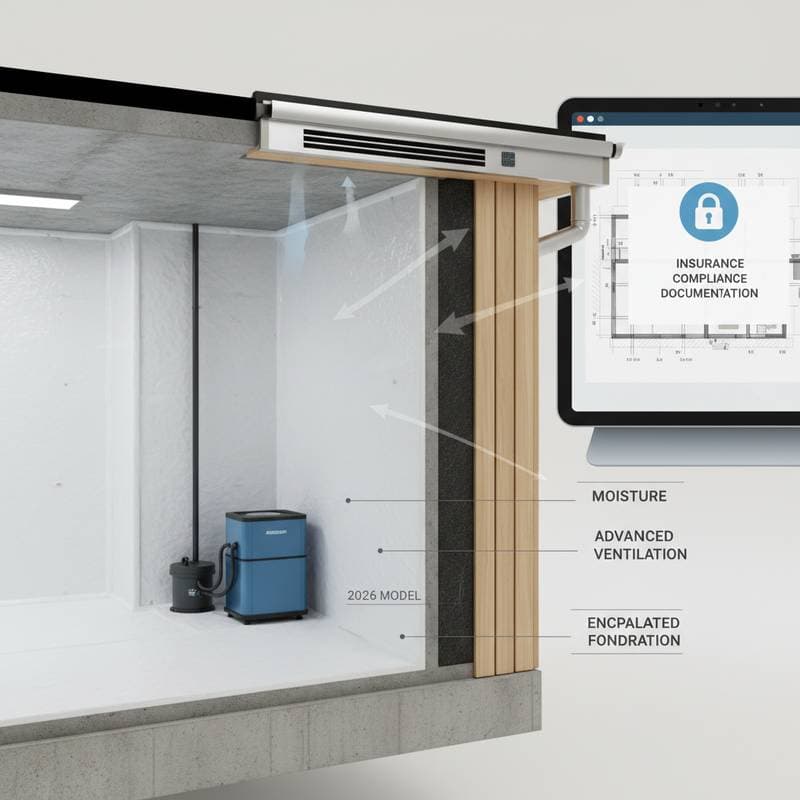
Insurers often check whether a home has adequate moisture barriers in key areas before processing a mold-related claim. The short answer is that these barriers create a visual and functional record of due diligence.
A properly installed membrane under flooring, behind shower walls, or around foundations acts as a physical separator between damp surfaces and structural materials. That means insurers can more easily verify that you took standard preventive steps.
Here’s a quick comparison of common barrier materials:
| Barrier Type | Typical Use | Lifespan | Insurance Benefit |
|---|---|---|---|
| Polyethylene sheet | Crawl spaces, basements | 20+ years | Shows moisture control at foundation level |
| Liquid waterproof membrane | Showers, wet rooms | 10–15 years | Prevents hidden leaks behind tile |
| Bituminous coating | Exterior foundation walls | 25+ years | Adds proof of exterior water defense |
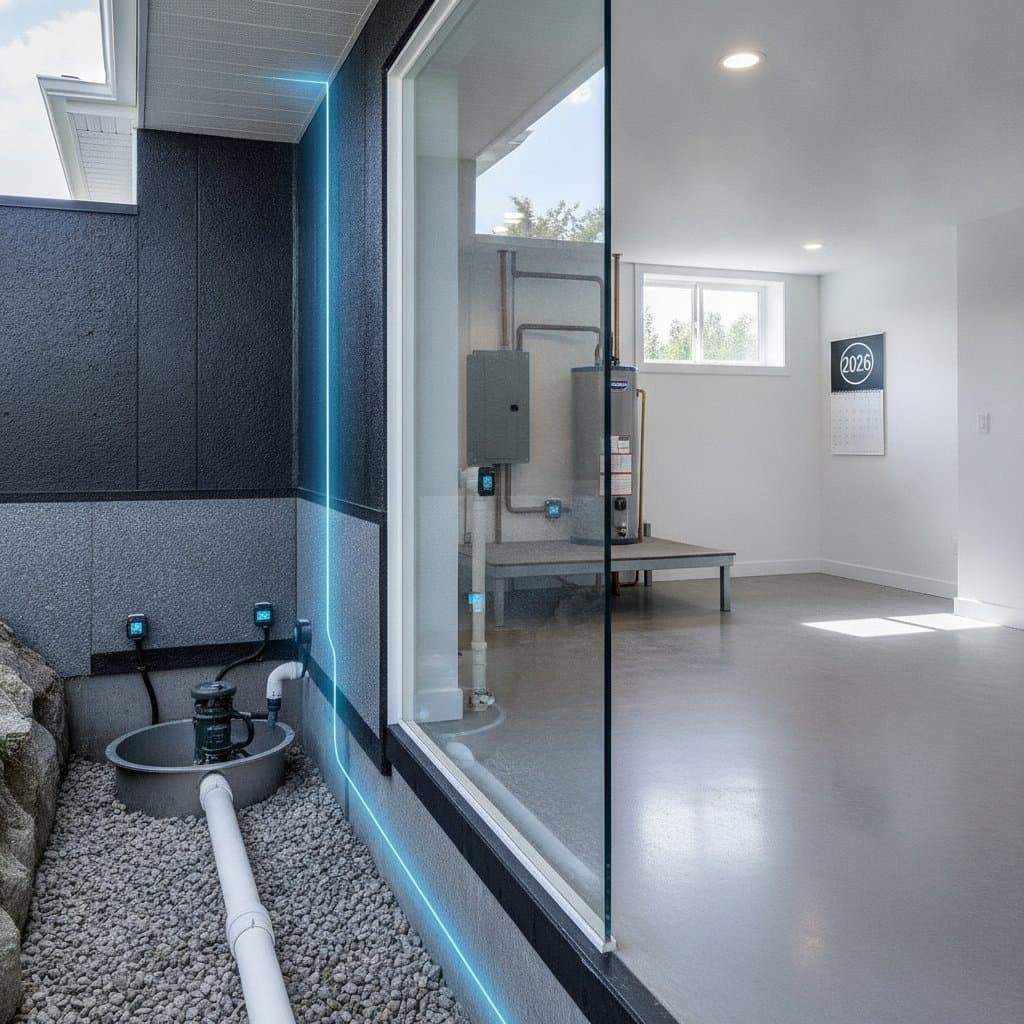
Just as important, exterior drainage plays its part. French drains, gravel trenches, and sloped landscaping direct water away from foundations. Keeping photographic records of installation and maintenance gives strong support for any insurance claim later.
What Are the Hidden Costs of Ignoring Moisture Control?
Ignoring moisture control can increase more than mold risk. Over time, dampness deteriorates insulation, corrodes wiring, and attracts pests. The financial fallout extends beyond repairs. Insurers may raise premiums or refuse renewal if they see repeated moisture-related claims.
Preventive renovations often cost less than one uninsured mold remediation. A quality dehumidification system, for example, might cost a few thousand dollars, while a single cleanup could exceed ten times that.
Even small updates count. Sealing window frames, replacing cracked grout, or insulating pipes in cool areas can mean the difference between a quick fix and a coverage battle.