Understanding Flood Vents for FEMA 2026 Compliance
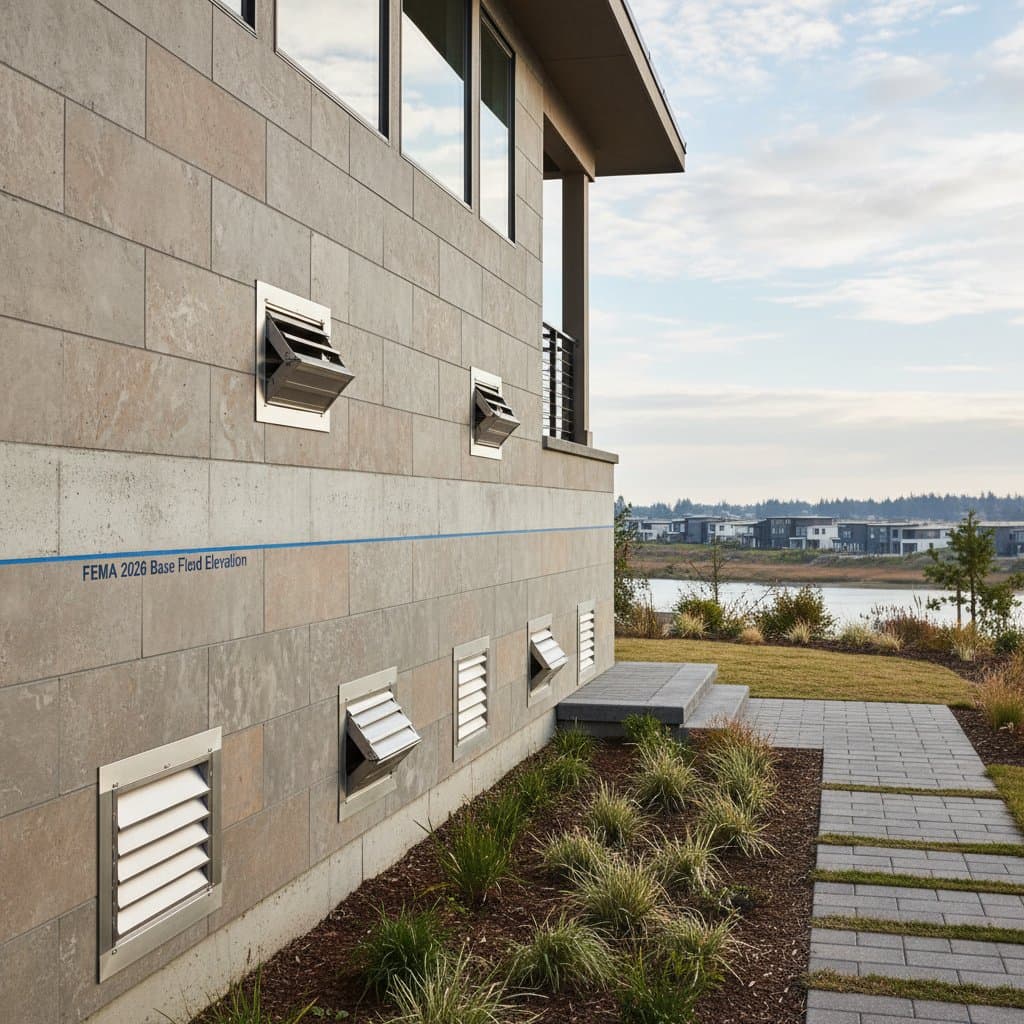
Flood vents represent a critical measure for properties located in flood-prone regions. These engineered openings allow floodwaters to enter enclosed spaces below the base flood elevation, equalizing hydrostatic pressure and preventing structural damage to foundations. Homeowners preparing for FEMA's updated standards benefit from installing these vents to avoid compliance issues and substantial financial losses.
Failure to incorporate flood vents can result in foundation cracks, wall shifts, or complete collapses during flooding events. By permitting water flow, vents transform potential disaster zones into managed areas, minimizing repair needs and supporting insurance eligibility.
The Importance of FEMA Floodplain Regulations
FEMA establishes guidelines to mitigate flood risks for structures in designated zones. Properties constructed or significantly modified in these areas must include flood openings to facilitate water passage through crawl spaces or basements. This requirement addresses the buildup of pressure that threatens foundation stability.
Contractors emphasize that water infiltration occurs regardless, but equal pressure distribution across walls averts severe harm. Non-compliant homes risk elevated insurance rates, coverage denials, or mandatory retrofits following floods. Adherence to these standards serves as a proactive defense against escalating costs and disruptions.
Installation Cost Analysis for 2025
Expenses for flood vent installation depend on vent type, quantity, and regional factors. Current market data provides a clear overview of these investments.
Material Options and Prices
- Non-engineered plastic or basic vents: $50 to $150 per unit
- Engineered stainless steel vents: $200 to $400 per unit
- Automatic or sensor-equipped vents: $350 to $600 per unit
Associated Labor and Fees
- Cutting into masonry or concrete: $200 to $400 per vent
- Sealing and final setup: $100 to $250 per vent
- Permits and inspections: $100 to $250 overall
Total costs typically range from $450 to $1,200 per vent, with higher-risk areas requiring one vent per 200 square feet of enclosed area. Budgeting for multiple units ensures comprehensive coverage.
Evaluating DIY Versus Professional Installation
Initial assessments of flood vent projects may suggest straightforward implementation, yet complexities arise from regulatory demands and technical precision. Consider the following factors to determine the best path forward.
Conditions for DIY Installation
- Applicable to simpler, non-engineered vents in accessory buildings
- Involves tools like masonry saws and sealants, plus accurate positioning
- Adheres to FEMA's guideline of one square inch of net open area per square foot of enclosed space
- Risks include non-compliance or increased moisture issues from errors
Scenarios Requiring Professional Expertise
- Properties within official floodplains subject to oversight
- Solid concrete or block foundations demanding specialized cuts
- Engineered vents needing certified documentation
- Integration around utilities such as electrical or heating systems
Engaging certified flood mitigation specialists streamlines permitting, verifies adherence, and prepares for insurance evaluations, often offsetting initial savings through avoided rework.
Navigating FEMA 2026 Requirement Changes
Upcoming FEMA revisions introduce refined flood risk assessments and enhanced criteria for sub-elevation enclosures. Inspectors will scrutinize vent certifications and uniform placement to verify effectiveness.
Upgrading to certified, engineered vents ahead of these shifts provides a compliance buffer. Maintain organized records of product specs and installation details in a secure file system to expedite approvals and avoid delays.
Ensuring Safety and Regulatory Alignment
All flood vent work must satisfy FEMA protocols alongside local building codes. Verify permit processes in your area to proceed confidently. Key compliance elements include:
- Placement below the designated flood level
- Distribution across at least two walls per enclosed section
- Self-activating mechanisms for submerged conditions
- Avoidance of cuts in load-bearing or reinforced foundation elements
Structural consultations prove essential for uncertain layouts, as improper modifications compromise overall integrity and safety.
Streamlining the Inspection Process
FEMA evaluations focus on verifiable compliance through visual and documentary evidence. Prepare effectively with these steps:
- Mark vent positions directly on the elevation certificate.
- Assemble all manufacturer specifications for review.
- Capture installation photographs for records.
- Log routine maintenance activities.
Thorough preparation demonstrates diligence, accelerates approvals, and eliminates potential fees for follow-up visits.
Implementing Flood Vents Effectively
For properties in flood zones, flood vents extend beyond regulatory necessity to form a robust barrier against damage and administrative burdens. Initiate the process by consulting flood zone designations and elevation documents. Solicit proposals from multiple certified contractors, prioritizing engineered solutions aligned with FEMA and NFIP criteria.
Post-installation, update flood diagrams with vent locations and archive digital proofs. This preparation facilitates seamless insurance interactions and property transfers, ensuring sustained value and resilience against future floods.