Induction Stove Rebates: Claim Up to $840 in IRA Incentives by 2026
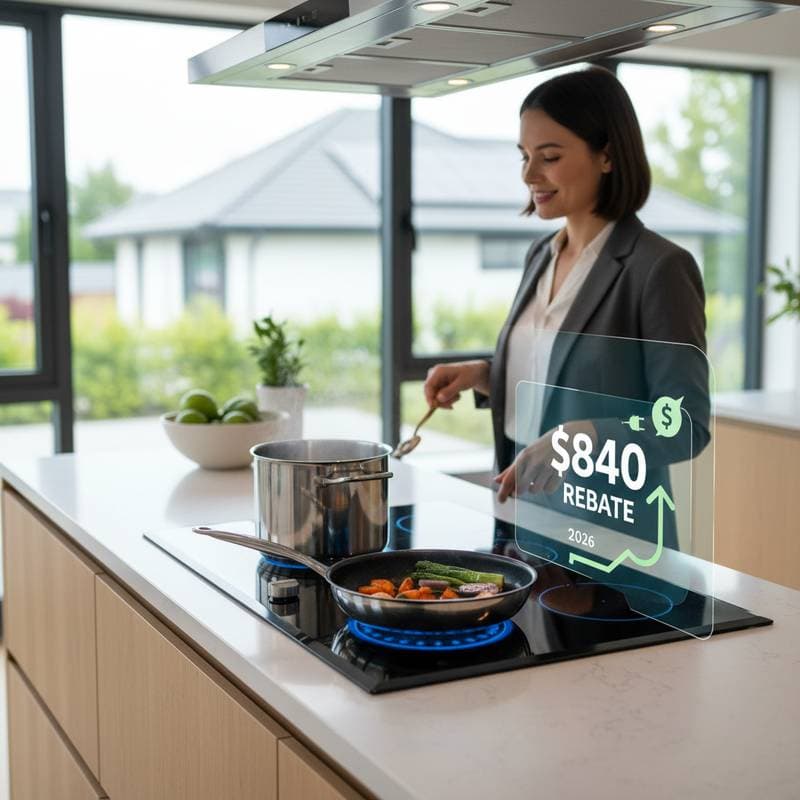
Homeowners increasingly consider induction cooking for its efficiency and modern appeal. The Inflation Reduction Act provides rebates and tax credits that reduce the cost of this upgrade by up to $840. This guide explains eligibility, current pricing, and practical steps to secure these benefits while transitioning from gas or electric stoves.
Professionals in kitchen renovations often encounter questions about electrical requirements and rebate applications. The following sections detail the process to help readers make informed decisions and avoid common oversights.
The Appeal of Induction Cooking Technology
Induction stoves heat pots and pans directly through electromagnetic fields, bypassing the cooktop surface. This method results in rapid heating, precise temperature control, and minimal heat loss to the surrounding environment. Users experience a cooler kitchen atmosphere and simpler cleanup, as spills do not bake onto the surface.
Although available for decades, induction technology faced adoption barriers due to higher upfront costs. Basic units now range from $1,000 to $1,500, mid-tier options with advanced features cost $1,800 to $2,500, and high-end models reach $3,000 to $4,000. The IRA incentives adjust these figures significantly, often bringing effective costs below $1,200 for standard installations when combined with local utility programs.
Detailed Cost Analysis for Upgrades
Understanding expenses ensures realistic budgeting. Factors include the stove model, necessary modifications, and ancillary items. Below is a breakdown based on recent market data.
Appliance Pricing
- Entry-level 30-inch freestanding units: $1,000 to $1,500, suitable for basic households with standard burner configurations.
- Mid-range models featuring bridge elements and enhanced controls: $1,800 to $2,500, ideal for frequent cooks needing versatility.
- Premium professional-style ranges with Wi-Fi integration: $3,000 to $4,000, designed for gourmet applications.
Electrical Modifications
Older homes frequently require updates to support induction demands, which typically need a 240-volt, 40- to 50-amp circuit.
- Installation of a new dedicated circuit: $300 to $800, depending on accessibility and local codes.
- Full electrical panel upgrade for insufficient capacity: $1,200 to $2,000, essential in pre-1980s constructions with 100-amp service.
Installation and Removal Fees
- Disconnection and removal of existing gas or electric range: $200 to $450, including safe disposal.
- Capping unused gas lines, if applicable: $100 to $250, to comply with safety regulations.
Additional Expenses
- Magnetic cookware sets compatible with induction: $100 to $400 for essentials like skillets and saucepans.
- Ventilation system enhancements, such as converting from gas-specific hoods: $150 to $600 for improved air circulation.
A typical mid-range project totaling $3,000 before incentives drops to approximately $2,160 after the $840 IRA rebate. Homeowners should obtain multiple quotes to refine these estimates based on location.
Strategic Timing for Purchases and Installations
Appliance availability and pricing vary seasonally, influencing the best moments for action. Spring through early summer offers optimal contractor schedules and promotional deals from retailers. Late fall brings clearance sales as stores prepare for new inventory.
Avoid late summer peaks, when demand from renovations strains supply chains. For comprehensive kitchen projects, schedule electrical work ahead of appliance delivery to prevent logistical complications. Consult local suppliers for stock updates and delivery timelines, which can extend two to four weeks.
Health, Safety, and Environmental Advantages
Induction cooking addresses concerns associated with traditional gas stoves, which emit pollutants like nitrogen dioxide into indoor spaces. This shift promotes better air quality, particularly beneficial in homes with sensitive residents such as children or those with respiratory conditions.
The technology enhances safety by keeping the cooktop cool outside the pot's contact area, reducing burn risks. Kitchens maintain comfortable temperatures, and cooking odors dissipate quickly. Environmentally, induction uses 10 to 20 percent less energy than gas, supporting broader sustainability goals.
Key Challenges and Prevention Strategies
Upgrades can encounter hurdles if not anticipated. Electrical assessments reveal that many vintage homes lack adequate service, leading to unexpected panel replacements. Cookware compatibility tests save time; verify magnetism with a refrigerator magnet before purchase.
Essential Checks
- Evaluate home electrical capacity through a professional inspection to confirm support for added loads.
- Select only ferromagnetic materials like cast iron or specific stainless steel for effective induction performance.
- Ensure ventilation systems handle steam and particulates, regardless of reduced heat output.
- Document all transactions meticulously for rebate submissions, including ENERGY STAR certifications.
- Verify installer qualifications, including licensing and bonding, to guarantee code compliance.
Addressing these early minimizes disruptions and maximizes rebate eligibility.
Steps to Secure and Complete Your Upgrade
Begin with an energy audit to assess current setup and identify rebate qualifications under the IRA, which targets efficient appliances in qualifying households. Research state or utility add-ons, such as those from programs like ENERGY STAR partners, to amplify savings.
Establish a budget encompassing all elements, then select models certified for incentives. Coordinate with licensed professionals for seamless execution. Post-installation, the precise cooking, effortless maintenance, and energy reductions deliver ongoing value.
This upgrade not only modernizes the kitchen but also aligns with efficient, healthier living practices. Homeowners who prepare thoroughly position themselves to benefit fully from available incentives and technological advancements.