Safeguarding Basements Against Floods: The Power of Vents and Wet-Proofing
Heavy rainfall often leads to unexpected basement inundation, transforming dry spaces into waterlogged areas. Many homeowners face this issue, wading through standing water to salvage belongings. Such events highlight the need for proactive measures. Flood vents and wet-proofing provide reliable defenses, converting susceptible basements into resilient environments capable of withstanding intense storms.
The Root Causes of Basement Flooding
Basements occupy positions below ground level, where water naturally accumulates in surrounding soil. Saturation creates hydrostatic pressure that forces moisture through foundation cracks and porous surfaces. Even moderate downpours can overwhelm unprepared structures, resulting in extensive damage.
Flood vents address pressure buildup by permitting controlled water entry and exit. Wet-proofing complements this by fortifying walls against intrusion. Together, these approaches mitigate risks effectively, particularly in areas prone to high water tables.
Exploring Flood Vents in Detail
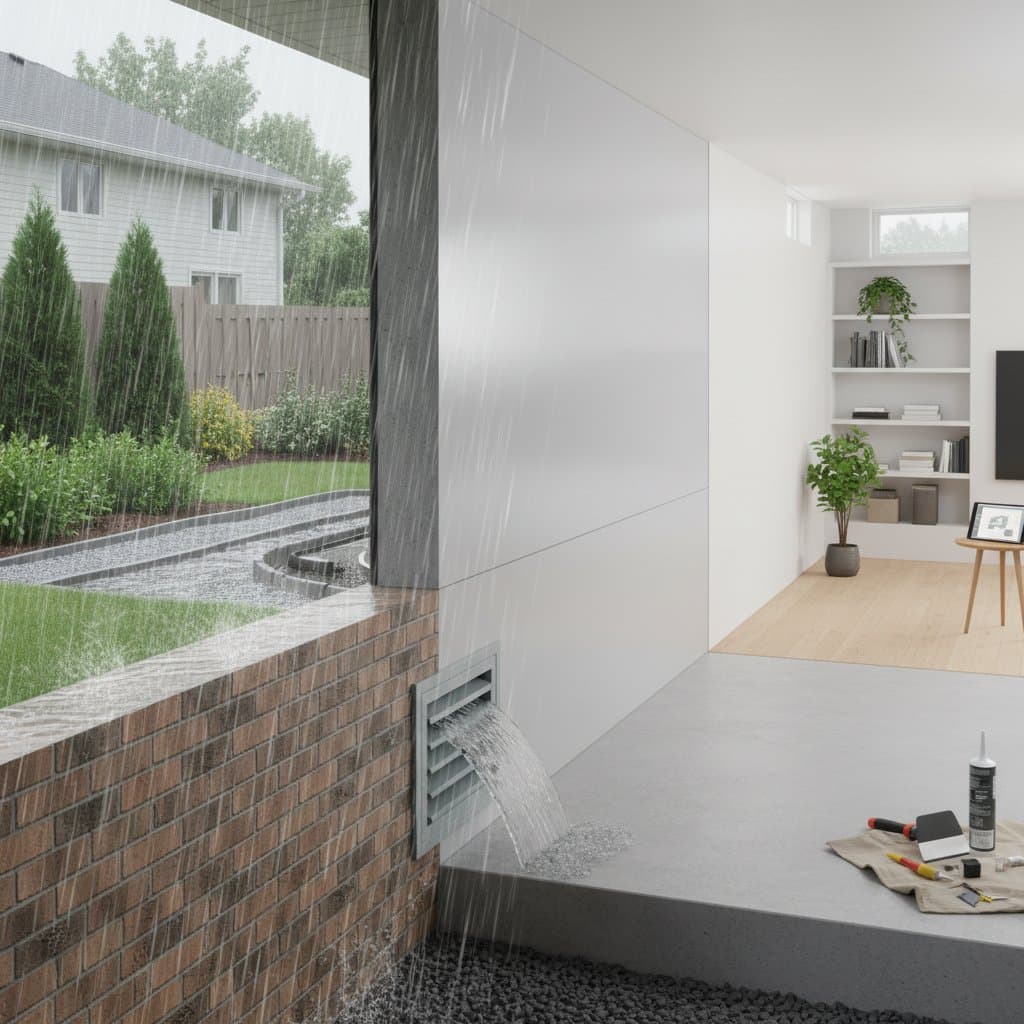
Flood vents consist of specialized openings in foundation walls designed to equalize internal and external water levels. This balance reduces the force exerted on walls during flooding, preserving structural integrity.
Professionals categorize flood vents into two primary types:
- Non-engineered vents: Simple grates or slots that facilitate basic water passage. These options cost approximately $50 to $100 per unit.
- Engineered automatic vents: Devices featuring mechanisms like buoyant flaps that activate during water rise. Prices range from $200 to $450 per vent, with installation fees adding $300 to $600.
Most basements require four to six vents for optimal coverage. Total project expenses typically fall between $2,000 and $5,000, influenced by local regulations, wall modifications, and reinforcement needs.
Key Considerations for Installation
Position vents at least 12 inches above the lowest adjacent ground elevation to comply with standards. Space them evenly along the foundation perimeter, ideally every 10 to 20 feet. Consult a structural engineer to evaluate wall thickness and load-bearing capacity before any cutting. Improper placement risks compromising the building's stability.
Wet-Proofing as a Robust Barrier
Wet-proofing involves applying protective layers to basement walls, enabling them to endure moisture contact without deterioration. This method differs from waterproofing by focusing on damage control rather than total exclusion of water.
Common wet-proofing techniques encompass:
- Cementitious coatings: Thick, cement-based applications that block surface moisture on interior walls. Expect costs of $2 to $3 per square foot for materials and basic labor.
- Liquid membrane systems: Elastomeric coatings forming seamless, adaptable seals. These range from $3 to $7 per square foot, offering superior flexibility against shifting foundations.
- Drainage mats paired with sump pumps: Dimpled membranes channel water to collection points for removal. Complete systems cost $3,000 to $6,000, including excavation and pump integration.
Integrate wet-proofing with flood vents to create a comprehensive system. Water enters through vents, flows along drainage layers, and exits via pumps, minimizing wall stress. This setup proves invaluable in soils with poor drainage, such as expansive clays.
Deciding Between DIY Efforts and Professional Services
Homeowners skilled in basic renovations may apply interior coatings or seal minor cracks independently. Allocate $500 to $1,000 for materials to treat a standard basement room, following manufacturer guidelines for surface preparation and curing times.
Reserve complex tasks for experts. Installing vents demands precise foundation alterations, while sump systems require plumbing expertise. Engage licensed contractors who secure permits, adhere to codes, and perform site-specific assessments like soil percolation tests.
Request itemized bids outlining labor, materials, and ancillary costs such as waste removal. Scrutinize proposals for inclusions like backfill compaction and vent performance certifications to ensure comprehensive protection.
Optimal Timing and Preparation Strategies
Undertake installations during periods of low groundwater, typically in late spring or early fall. Complete vent setups prior to peak rainy months to sidestep weather-related interruptions. Factor in two to four weeks for approvals and material curing.
Anticipate potential delays from material shortages by ordering vents in advance and storing them securely. Investigate municipal incentives, such as rebates for flood-resistant upgrades, to reduce financial burdens. Local building departments often provide guidance on eligible programs.
Ensuring Long-Term Effectiveness Through Maintenance
Sustained protection requires regular vigilance. Conduct annual inspections of vents to clear obstructions like leaves or sediment and check for rust formation. Operate sump pumps biannually to verify functionality and replace components as needed.
Reapply coatings every 10 years or upon detecting efflorescence or soft spots. Monitor exterior grading to direct runoff away from the foundation, adjusting as landscaping evolves. These routines safeguard investments in renovations and prevent recurrent issues.
Realizing the Value of a Fortified Basement
A basement equipped with flood vents and wet-proofing delivers practical benefits beyond immediate safety. It fosters usable living space free from moisture concerns, appealing to families seeking versatile home areas. Properties featuring these enhancements attract quicker sales and command premium appraisals, reflecting reduced risk and enhanced durability against environmental challenges.