Bathroom Remodel Costs in 2026: Understanding Budget Increases
Home renovation expenses escalate in 2026 due to constrained supply chains and elevated labor rates. Bathroom projects face particularly sharp increases that surprise many homeowners. These shifts demand precise planning to allocate funds effectively and prevent disruptions during execution.
Primary Factors Elevating Bathroom Remodel Expenses
Multiple elements contribute to higher bathroom remodel prices in 2026. Material prices fluctuate widely, while skilled professionals such as plumbers and tile installers command higher fees amid strong demand. Many homeowners opt for resilient fixtures and energy-saving features, which elevate upfront investments yet lower ongoing utility costs.
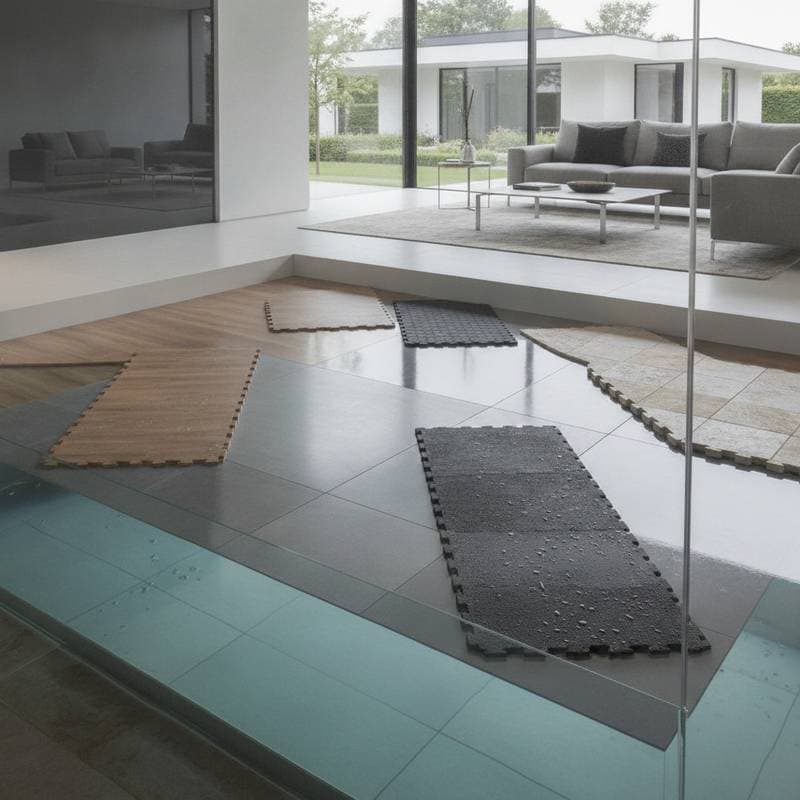
Tile and stone materials lead as the largest expense category. Porcelain tile prices rise by 10 to 15 percent compared to prior years, and natural stone selections increase further. Faucets, shower assemblies, and vanities reflect higher production expenses. Labor rates for licensed plumbers average $80 to $150 per hour, varying by location and contractor availability.
In urban areas, overall project costs exceed those in rural regions by 20 to 30 percent. Contractors often schedule work months ahead, so expedited projects incur additional fees for priority placement.
Framework for DIY Versus Professional Services
Homeowners may reduce expenses through basic updates, yet comprehensive bathroom remodels generally require expert involvement. Consider these categories based on complexity and risk.
Tasks Suitable for DIY:
- Applying paint and installing trim pieces
- Swapping out mirrors or light fixtures
- Refreshing cabinet hardware
Tasks Requiring Professionals:
- Modifying plumbing or electrical systems
- Laying tile on expansive areas or custom shower enclosures
- Applying waterproofing and installing ventilation
Professionals guarantee compliance with building codes and prevent issues like leaks, which could lead to significant repair bills. DIY approaches suit those equipped with appropriate tools, sufficient time, and necessary skills.
When engaging contractors, request detailed itemized estimates. These breakdowns reveal expense concentrations and opportunities for adjustments. Verify that contractors hold liability insurance and possess valid licenses for plumbing and electrical tasks.
Return on Investment and Enduring Benefits
A thoughtfully designed bathroom remodel yields among the highest returns among home upgrades. Mid-range projects recoup 55 to 65 percent of costs through increased property value. High-end versions recover somewhat less, though they enhance marketability and everyday usability.
Features like water-efficient toilets, low-flow faucets, and LED illumination cut monthly water and electricity usage by 10 to 15 percent. Such selections may qualify for modest rebates in certain locales. Options including radiant floor heating and enhanced insulation provide ongoing comfort and efficiency, despite higher initial outlays.
Balance daily usability advantages with potential resale gains during planning. A clean, functional bathroom appeals more to prospective buyers than an overly elaborate design that exceeds financial limits.
Variations in Regional Pricing and Market Dynamics
Price disparities across regions grow more pronounced in 2026. Coastal urban centers often see full remodels surpass $30,000, driven by elevated labor and permitting charges. Comparable projects in smaller communities approach $18,000.
Shipping fees for materials further impact totals. Imported tile incurs added surcharges, prompting shifts toward U.S.-based suppliers. Sourcing locally trims costs and shortens wait times for delivery.
Secure estimates promptly for upcoming projects. Contractors frequently incorporate clauses that adjust pricing if material costs spike before commencement.
Strategies for Preserving Remodel Value
After completion, sustain the bathroom through consistent maintenance. Reapply sealant to grout and stone annually to ward off water damage. Clear vents monthly to manage humidity levels, and examine caulking around bathtubs and showers on a routine basis.
Select durable finishes over fleeting styles. Choose fixtures featuring solid brass components and ceramic disc valves for longevity and resistance to wear. Prioritize investments in waterproofing and ventilation over reductions in those areas.
For long-term residency, allocate additional funds to robust fixtures and tiles capable of withstanding regular use. Inferior materials degrade swiftly and diminish the space's appeal prematurely.
Planning Your Remodel Effectively
Establish a budget range attuned to current market conditions as the initial step. Obtain quotes from at least three licensed contractors, evaluating not just costs but also responsiveness and timelines.
A 2026 bathroom remodel enhances livability and property worth when guided by defined goals and thorough preparation. Grasping expense allocations and influencing factors enables informed decisions that deliver lasting returns.