Understanding Flood-Resistant Flooring and Insurance Savings
Home renovations often focus on aesthetics and functionality, yet the foundation beneath receives less attention. After experiencing a basement flood that damaged standard flooring, the realization dawned that material choices influence not only repair expenses but also insurance rates. Flood-resistant flooring extends beyond mere durability; it actively contributes to lower premiums and preserves property value over time.
Flood events pose increasing risks to properties in areas prone to heavy rainfall or poor drainage. Insurance providers increasingly incentivize preventive measures, particularly those that mitigate claim likelihood through resilient materials. Selecting appropriate flooring minimizes extensive damage, facilitating swift recovery rather than complete overhauls.
The Role of Flooring in Flood Mitigation
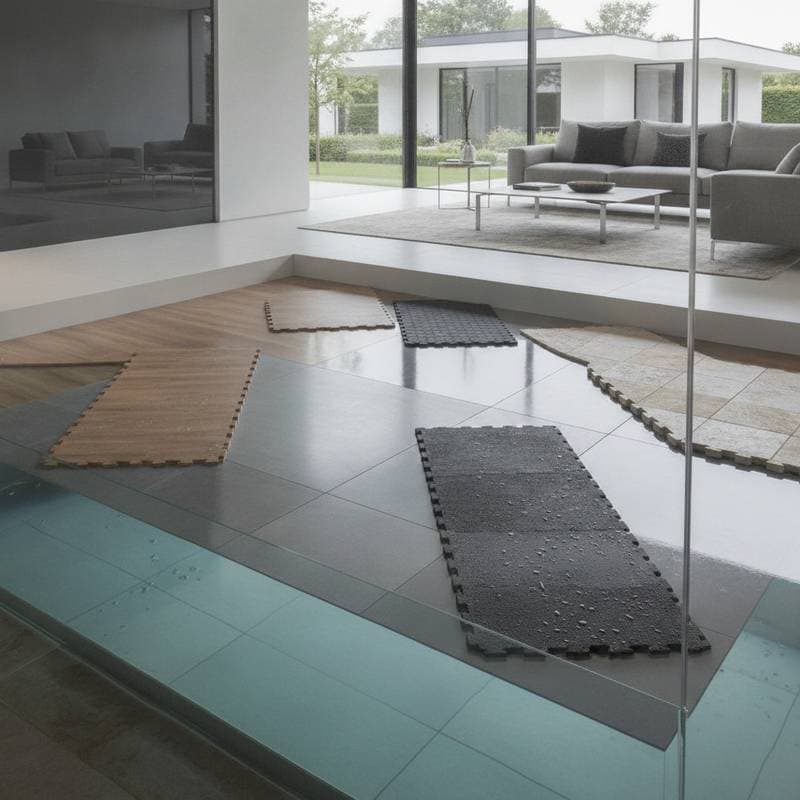
Water intrusion targets flooring as one of the initial points of vulnerability. Materials like traditional hardwood or carpet retain moisture, leading to deformation, mold growth, and structural decay. Such issues escalate beyond immediate repairs, elevating the home's perceived risk to insurers.
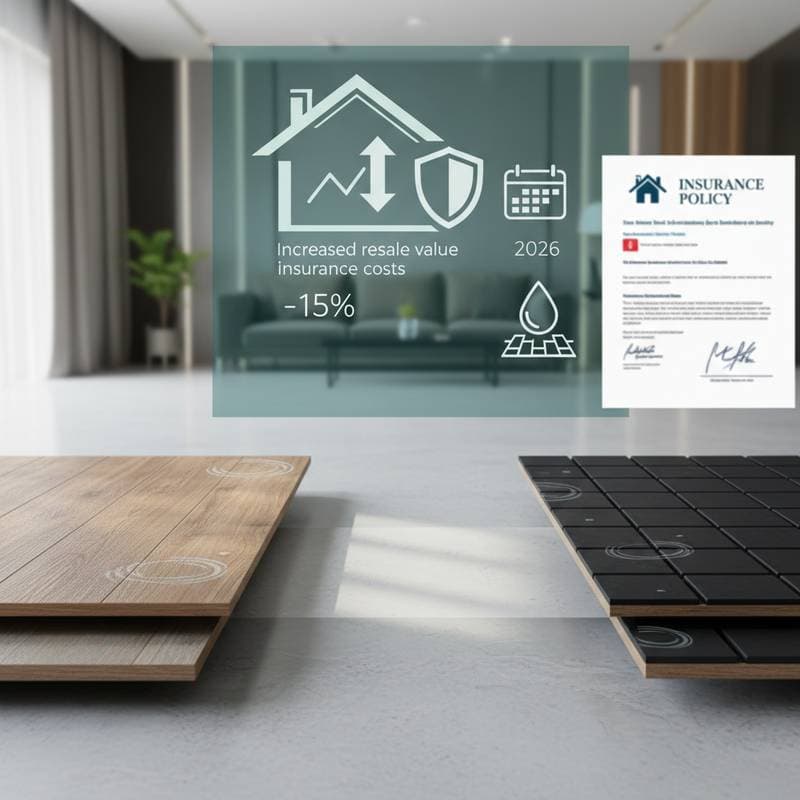
Properties equipped with flood-resistant flooring demonstrate reduced incidence of substantial claims. Insurers recognize that these materials confine damage and curb restoration expenses, prompting discounts on premiums for verified installations. Homeowners report savings ranging from 5 to 15 percent upon policy renewal following such upgrades.
For residences in flood-vulnerable zones, including those with basements or slab foundations, this investment ranks among the most prudent enhancements available.
Installation Costs by Room and Location
Expenses vary based on geographic factors and specific areas within the home. Current market data provides the following estimates for typical installations.
- Basement spaces: $4,000 to $8,000 for vinyl plank or epoxy applications
- Primary living zones: $6,000 to $12,000 for porcelain tile or premium vinyl
- Utility areas like bathrooms or laundry: $2,000 to $4,000 for ceramic tile setups
In regions near coastlines or floodplains, installation fees rise by 15 to 20 percent due to requirements for enhanced subfloor treatments or integrated drainage solutions.
Deciding Between DIY and Professional Approaches
Personal experience with flooring projects highlights that flood-resistant options demand precision beyond basic skills. Preparation tasks remain accessible, yet the core installation phase critically affects overall efficacy during water exposure.
Suitable for DIY Efforts:
- Dismantling existing flooring layers
- Thorough cleaning and sealing of the subfloor
- Placement of underlayment beneath vinyl or laminate products
Best Handled by Professionals:
- Precise tile alignment and grout application
- Epoxy coating or concrete surface finishing
- Integration of waterproof membranes under plank systems
Improper execution, such as overlooked seals or misaligned joints, permits water penetration, potentially invalidating warranties and insurance protections. Although professional services incur higher initial costs, they guarantee adherence to standards essential for both performance and coverage eligibility.
Ensuring Safety and Regulatory Adherence
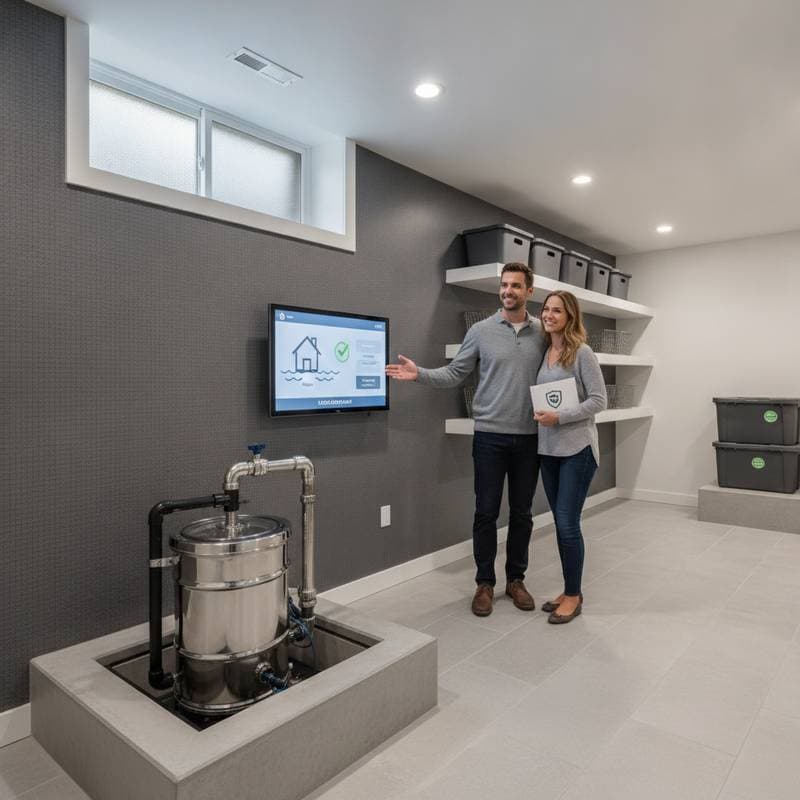
Flooring updates seldom necessitate permits, but alterations to subfloors or additions like sump pumps may require approval. Consult local building authorities prior to commencing work to avoid complications.
Key Safety Practices:
- Use respirators during removal of aged flooring potentially harboring adhesives or mold spores
- Confirm subfloor dryness before new installation; invest in a moisture meter for accurate assessment
- Incorporate vapor barriers in basements to block rising ground moisture
Selecting a Qualified Flooring Contractor
Prioritize specialists with demonstrated expertise in flood-resistant systems. Verify offerings of comprehensive warranties covering waterproof integrity and bonding strength. Confirm licensing and insurance specific to flooring and water damage mitigation.
Request client references from comparable high-risk environments, and follow up to evaluate post-installation resilience during storms or incidents.
Critical Contract Elements:
- Fixed pricing that itemizes materials and labor distinctly
- Explicit warranty durations for waterproof features
- Milestone-based payment terms rather than daily progress
Sustaining Performance Through Maintenance
The longevity of flood-resistant flooring hinges on consistent upkeep to preserve its protective qualities.
Routine Maintenance Protocol:
- Reapply sealants to grout or epoxy surfaces every two to three years
- Examine caulking at baseboards and edges for deterioration
- Operate dehumidifiers continuously in below-grade areas
- Address spills promptly, regardless of surface resistance
Opt for pH-neutral cleaning agents formulated for sealed materials, avoiding abrasives that compromise protective layers.
Realizing Returns on Flood-Resistant Upgrades
This type of flooring investment yields dividends in enhanced security, reduced financial burdens, and elevated market appeal. It instills confidence amid adverse weather and supports higher property valuations. Having navigated the challenges of waterlogged carpets and the reliability of impermeable surfaces, the contrast underscores the value of proactive choices.