Unlock 12 Percent More Home Value Through Biophilic Design
Home renovation costs continue to rise in 2025 due to ongoing material shortages, yet certain investments yield substantial returns. Incorporating biophilic design principles represents one of the most effective strategies for enhancing property appeal. This approach integrates natural elements into interior spaces, potentially increasing market value by up to 12 percent while fostering a healthier and more enjoyable living environment.
Biophilic design extends beyond simple additions like plants or wooden accents. It encompasses a deliberate connection between indoor areas and the natural world, promoting well-being and sustainability. Homeowners who adopt these elements often report immediate improvements in daily comfort and long-term financial benefits.
The Value Proposition of Biophilic Design
Prospective buyers gravitate toward homes that evoke tranquility through abundant natural light and organic materials. Real estate professionals observe that properties featuring expansive windows, indoor foliage, and textured natural surfaces command premium prices and attract offers more quickly.
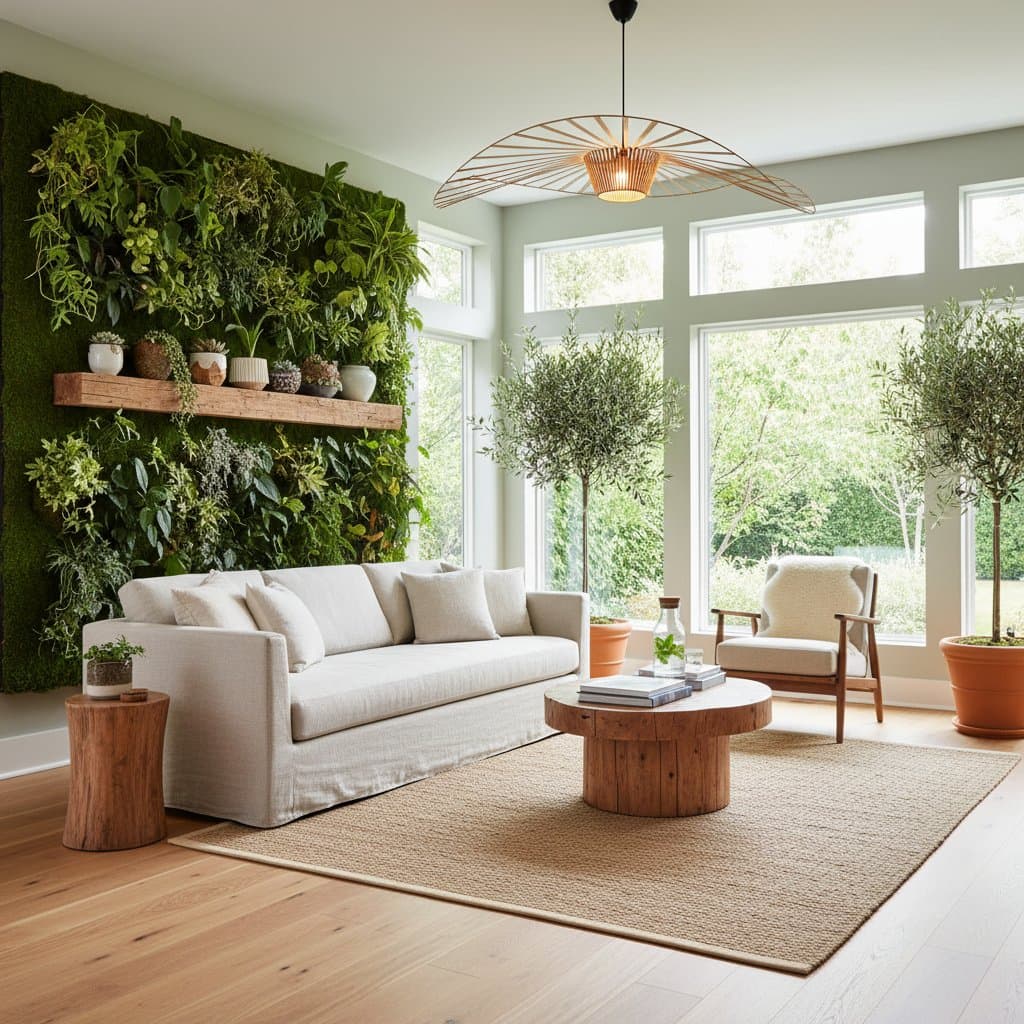
In one personal project, the installation of oak flooring, skylights, and a vertical garden in the main living area resulted in a property appraisal that reflected nearly a 10 percent increase in value. This uplift stemmed from enhanced visual appeal as well as tangible advantages, such as superior indoor air quality and decreased reliance on artificial lighting.
Biophilic elements elevate both emotional resonance and practical functionality. These attributes influence buyer decisions, as individuals prioritize spaces that mitigate stress and support physical health. The result is a home that not only sells faster but also at a higher price point.
Deciding Between DIY and Professional Implementation
Many homeowners find biophilic design approachable for self-directed efforts, particularly with simpler components. Tasks such as selecting and positioning indoor plants, applying eco-friendly paints in neutral earth tones, or mounting lightweight wooden shelving units require minimal expertise.
However, more complex modifications demand professional oversight to ensure structural integrity and compliance with building codes. For instance, enlarging windows or installing skylights necessitates precise framing and weatherproofing, which licensed contractors handle effectively. Vertical gardens, or living walls, require specialized irrigation systems to maintain humidity levels without risking water damage.
A past attempt to install a DIY irrigation setup for a living wall led to concealed leaks and subsequent repairs that exceeded initial professional quotes. Such experiences underscore the importance of expert involvement for elements involving load-bearing changes or moisture management.
Suitable DIY Projects
- Curating and placing potted plants or hanging planters to introduce greenery
- Experimenting with natural wall treatments, including limewash paints or textured clay plasters
- Affixing decorative elements like reclaimed wood accents or stone tiles in non-structural areas
Projects Requiring Professionals
- Modifying window sizes or adding roof penetrations for skylights
- Integrating water elements that involve plumbing adjustments
- Upgrading electrical systems to support natural-spectrum lighting or enhanced ventilation
When alterations impact foundational building components, professional execution safeguards against hazards and preserves investment value.
Calculating Return on Investment
Biophilic design delivers multifaceted financial advantages that extend beyond initial outlays. Consider the following breakdown:
- Appraised Value Growth: Properties incorporating robust natural features typically appreciate by 8 to 12 percent, according to regional market analyses.
- Operational Savings: Maximized natural daylight reduces electricity consumption for illumination by 20 to 30 percent, while organic insulation materials enhance thermal efficiency, lowering HVAC expenses.
- Durability Gains: Authentic wood, stone, and plant-based finishes demonstrate greater longevity than comparable synthetic options, minimizing future upkeep costs.
- Lifestyle Enhancements: Improved air circulation and serene atmospheres contribute to reduced stress levels and heightened productivity, qualities that resonate strongly with potential purchasers.
Sustainability plays a pivotal role in buyer preferences. Homes embodying biophilic principles convey thoughtful environmental stewardship, differentiating them in competitive markets and justifying elevated sale prices.
To quantify potential returns, homeowners might consult local appraisers early in the planning phase. Simple additions like strategic plant placements offer quick wins, while comprehensive overhauls, such as full-room natural integrations, provide the highest value multipliers. Budgeting 5 to 15 percent of renovation funds toward biophilic elements often aligns with these outcomes.
Sustaining Biophilic Features Over Time
The enduring appeal of biophilic design hinges on consistent care. Indoor plants thrive with scheduled watering, targeted pruning to encourage growth, and periodic relocation to optimize sunlight exposure. Natural wood elements require annual applications of protective oils to prevent drying or discoloration.
Skylights and similar installations warrant biannual inspections for seal integrity, ensuring no water infiltration occurs during seasonal changes. Living walls demand routine cleaning of nutrient delivery systems to deter bacterial growth, alongside swift replacement of any wilting foliage.
For features involving stone aggregates or flowing water, yearly evaluations of joints and barriers maintain dryness and functionality. These proactive measures not only extend the lifespan of design choices but also reinforce the home's market positioning. A well-maintained biophilic interior signals ongoing commitment to quality, appealing directly to discerning buyers.
Steps to Integrate Biophilic Design
Begin by assessing your space's current natural connections, such as existing light sources or material textures. Prioritize high-impact areas like entryways or communal rooms for initial transformations. Source materials from sustainable suppliers to align with biophilic ethos.
Consult design resources or local experts to map out phased implementations, balancing budget with desired outcomes. Track progress through before-and-after evaluations to measure both aesthetic and functional improvements. This structured approach ensures seamless adoption and maximized home value.