Key Takeaways
- FEMA's 2026 flood vent requirements prioritize enhanced safety and alignment with contemporary floodplain management practices.
- Advanced flood vents emphasize efficient pressure equalization, robust material durability, and accessible inspection features.
- Homeowners must evaluate existing vent configurations, dimensions, and certifications to align with forthcoming compliance standards.
- Early assessment of current installations prevents disruptions and supports seamless adaptation to new regulations.
The Role of Flood Vents in Home Protection
Flood vents serve a critical function by mitigating pressure accumulation during flood events, thereby safeguarding the structural integrity of a home's foundation. These devices facilitate the free movement of water into and out of enclosed spaces beneath elevated structures. Without adequate venting, unequal hydrostatic forces exert immense stress on foundation walls, leading to cracks, shifts, or outright failure.
In addition to preserving physical stability, compliant flood vents influence insurance eligibility and costs. Properties that adhere to FEMA guidelines qualify for participation in the National Flood Insurance Program, often resulting in reduced premiums. Demonstrating adherence through proper installation underscores a commitment to floodplain standards, yielding long-term financial advantages for property owners.
Mechanisms of Advanced Flood Vents
Advanced flood vents incorporate sensors or buoyant mechanisms that respond to rising water levels, opening automatically to permit unimpeded flow. Unlike conventional designs that depend on passive flaps or manual operation, these systems detect pressure differentials and activate without human input. This automation ensures rapid equalization, averting the structural distortions that arise from imbalanced water forces.
Many models integrate self-closing features that engage once floodwaters subside, sealing against environmental contaminants such as pests or excess humidity. Maintenance is simplified through modular components, including removable screens that capture debris without requiring professional disassembly. In regions prone to heavy sedimentation, such as riverine or estuarine areas, these vents maintain functionality by channeling substantial water volumes while minimizing obstruction risks.
Engineers design these vents to handle peak flow rates exceeding FEMA minima, often incorporating corrosion-resistant alloys like galvanized steel or engineered polymers. For instance, vents rated for coastal exposure withstand saline corrosion and high-velocity impacts, extending service life in challenging environments.
Determining the Required Number of Flood Vents
FEMA guidelines specify a minimum of one square inch of unobstructed vent area per square foot of enclosed space below the base flood elevation. This ratio ensures sufficient capacity for hydrostatic pressure relief across the foundation perimeter. Consider a crawl space measuring 800 square feet; it requires at least 800 square inches of net open area, distributed to promote even water ingress and egress.
If individual vents supply 150 square inches each, four to six units spaced along opposing walls suffice for balanced performance. Integrated systems consolidate multiple apertures within a single housing, reducing installation complexity and preserving exterior aesthetics. This approach proves advantageous for properties with enclosed basements or ornamental facades, where discreet integration maintains visual harmony.
Homeowners should consult site-specific flood maps to adjust calculations for local elevation risks. Oversizing vents by 20 to 30 percent provides a buffer against unexpected debris accumulation, enhancing overall reliability without excessive modification.
Design Factors for Effective Flood Vent Installation
Optimal placement positions vents at the base of exterior foundation walls, no higher than 12 inches above finished grade, to guarantee immediate water access. Obstructions like landscaping or structural elements must remain absent to allow unobstructed pathways. Selecting covers that harmonize with architectural styles—such as powder-coated grilles matching siding tones—preserves curb appeal while fulfilling functional demands.
For foundations enclosing habitable or utility spaces, opt for baffled vents that regulate airflow during non-flood conditions, preventing energy loss. In wave-prone coastal settings, orient vents perpendicular to prevailing currents to distribute impact forces evenly across the frame. Compliance with local building codes may necessitate additional reinforcements, such as anchoring brackets, to secure vents against lateral stresses.
Professional assessment during construction or retrofitting identifies opportunities for hybrid designs, combining venting with drainage features for comprehensive water management.
Pitfalls to Avoid in Flood Vent Implementation
Incorrect elevation represents a frequent error, as vents positioned above anticipated flood levels fail to activate in time. Always verify heights against base flood elevation data from official sources. Non-compliant alternatives, including ornamental louvers or standard HVAC vents, lack the engineered flow characteristics required for certification.
Neglect of routine upkeep allows accumulations of soil, foliage, or wildlife to impede operation, compromising safety. Schedule annual inspections to clear pathways and test mechanisms. Unequal spacing concentrates pressure on isolated walls, so position vents on at least two adjacent sides for uniform relief.
Failing to retain certification documentation complicates verification during insurance audits or municipal reviews. Store labels, manuals, and installation records in a secure location for ready access.
Preparing for FEMA's 2026 Updates
Conduct a thorough audit of existing vents, documenting locations, specifications, and compliance status against current FEMA bulletins. Identify discrepancies early to allocate resources for upgrades before the 2026 deadline. Engage certified installers for evaluations, particularly in older structures where retrofitting demands structural adjustments.
New construction projects benefit from incorporating 2026-compliant designs from the outset, streamlining permitting and inspections. Collaborate with suppliers offering pre-certified products to expedite sourcing and ensure traceability. Communities that proactively adopt these standards elevate collective ratings under FEMA's Community Rating System, potentially lowering insurance costs across jurisdictions.
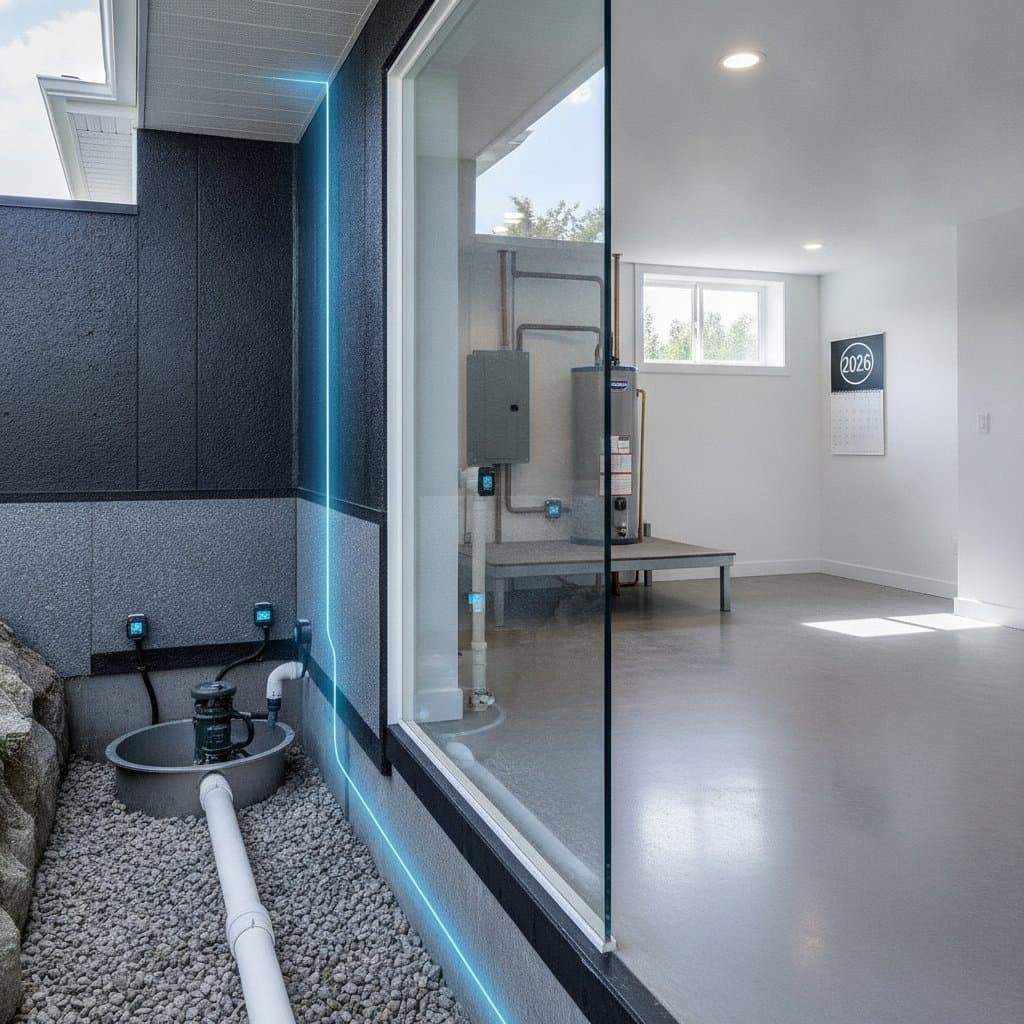
Homeowners in high-risk zones should integrate venting strategies with broader mitigation efforts, such as elevating utilities or installing sump pumps, for layered protection.
Sustaining Flood Vent Performance Over Time
Regular maintenance preserves the efficacy of flood vents as integral components of home resilience. Inspect for corrosion or deformation annually, especially following storm events, and replace worn elements promptly. Pair vents with perimeter grading that directs surface water away from foundations, reducing overall exposure.
For aesthetic integration, select finishes like brushed aluminum for contemporary homes or textured coatings for rustic exteriors. These choices not only enhance durability but also align with property values in flood-vulnerable markets.
Adopting FEMA's evolving standards fortifies homes against intensifying weather patterns. Through precise installation and vigilant care, flood vents anchor stability, ensuring enduring security when floods threaten.