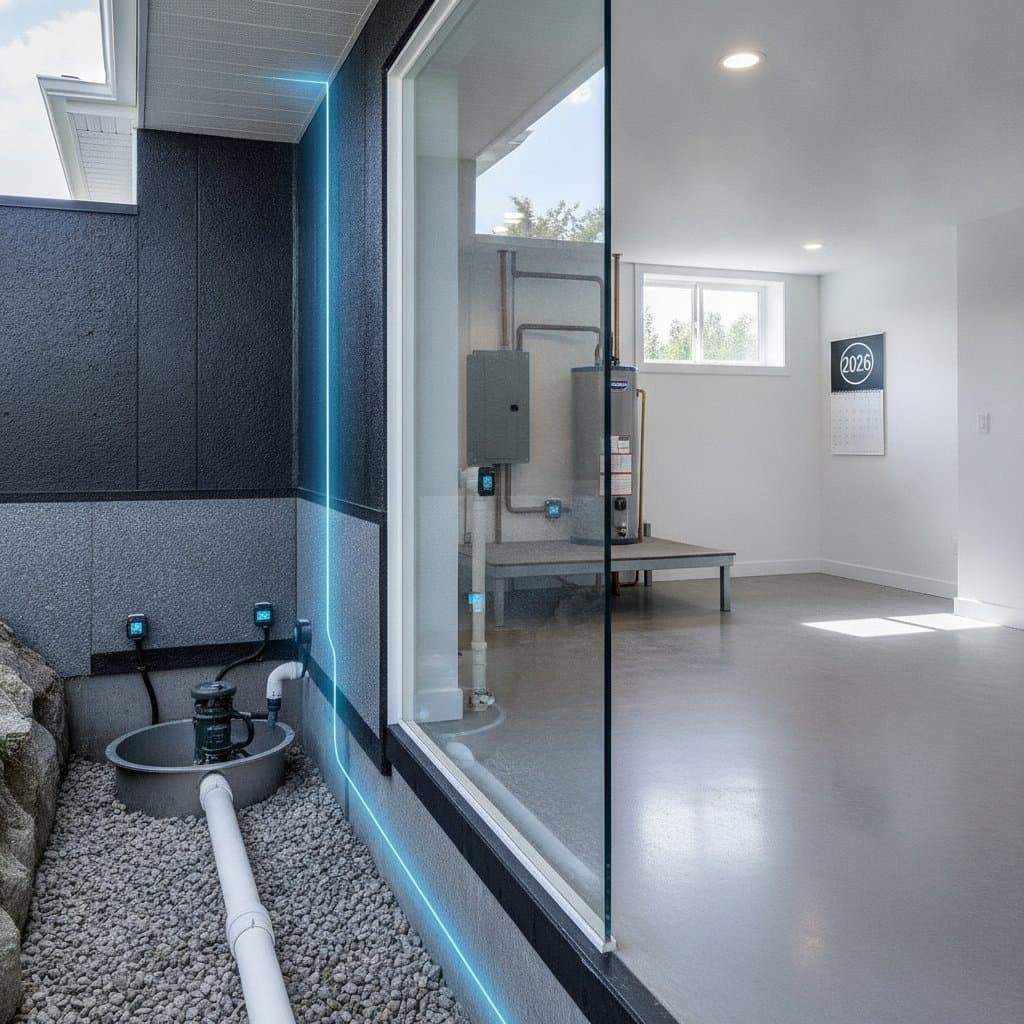
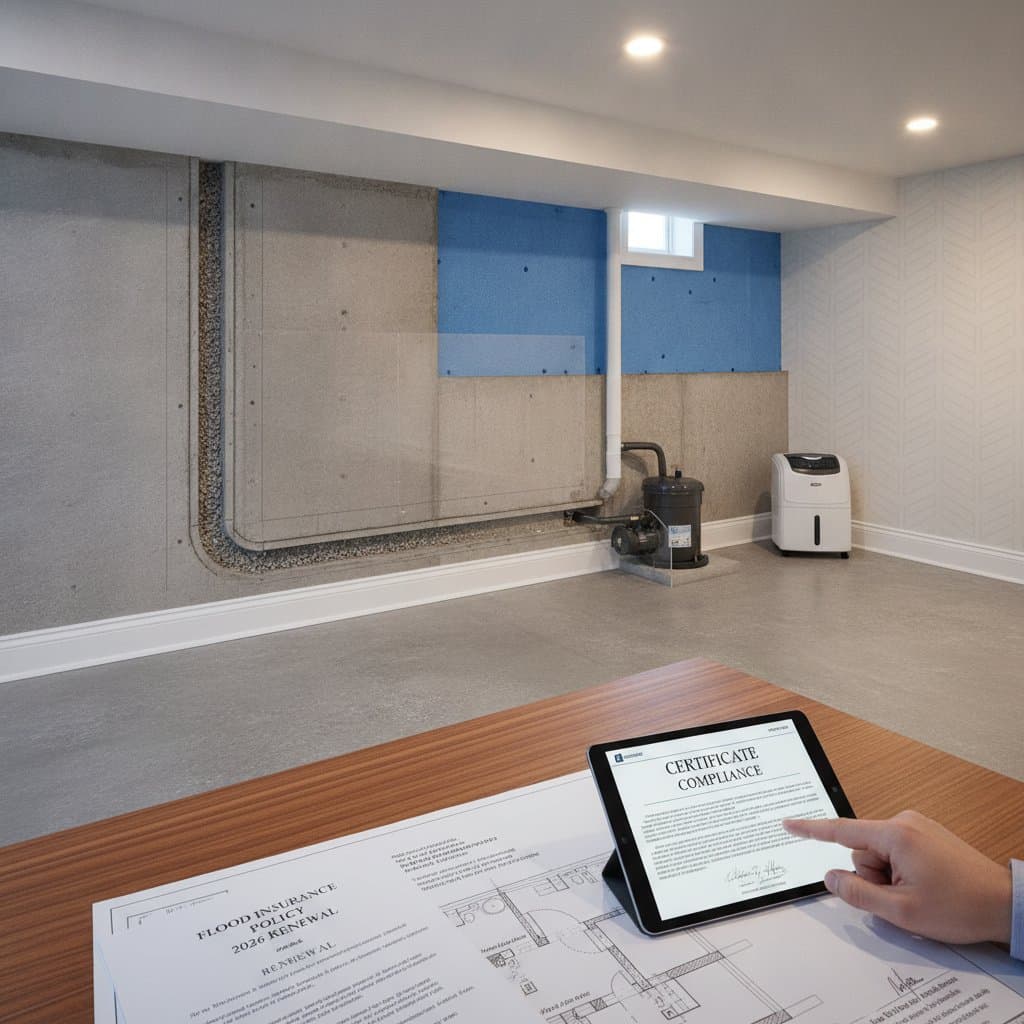
Basement Waterproofing Standards Rising in 2026
Flood Insurance Requirements

Basement Waterproofing Standards Rising in 2026

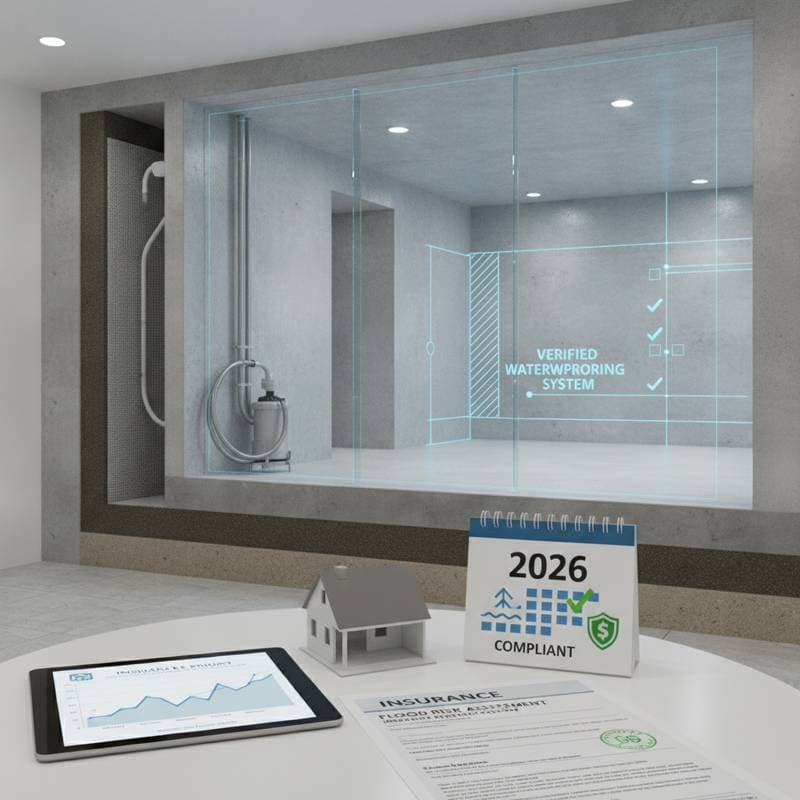
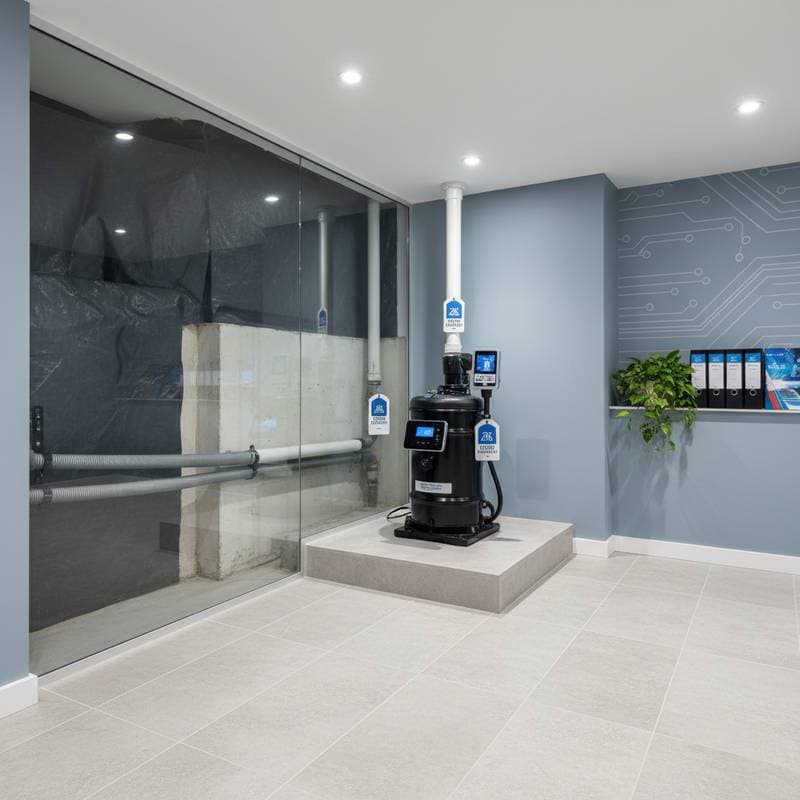
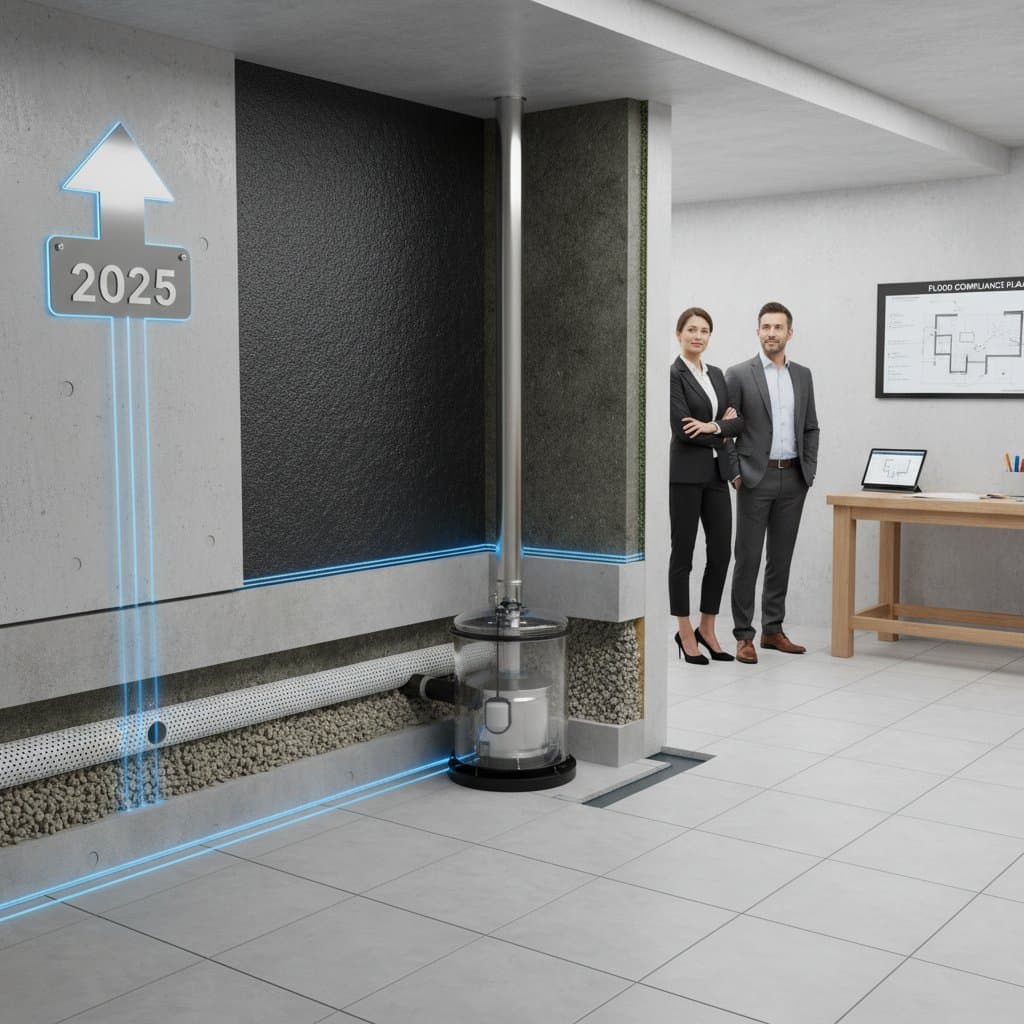
New 2026 flood insurance mandates will require tougher basement waterproofing. Act now to reduce premiums, prevent damage, and improve drainage, sealing, and utility placement for compliance and protection.

By Kelly AlyseJuly 11, 2026
Read Article

More articles tagged #Flood Insurance Requirements

Explore our collection of flood insurance requirements related content

Why Flood Insurers Now Demand Basement Waterproofing

Why Flood Insurers Now Demand Basement Waterproofing

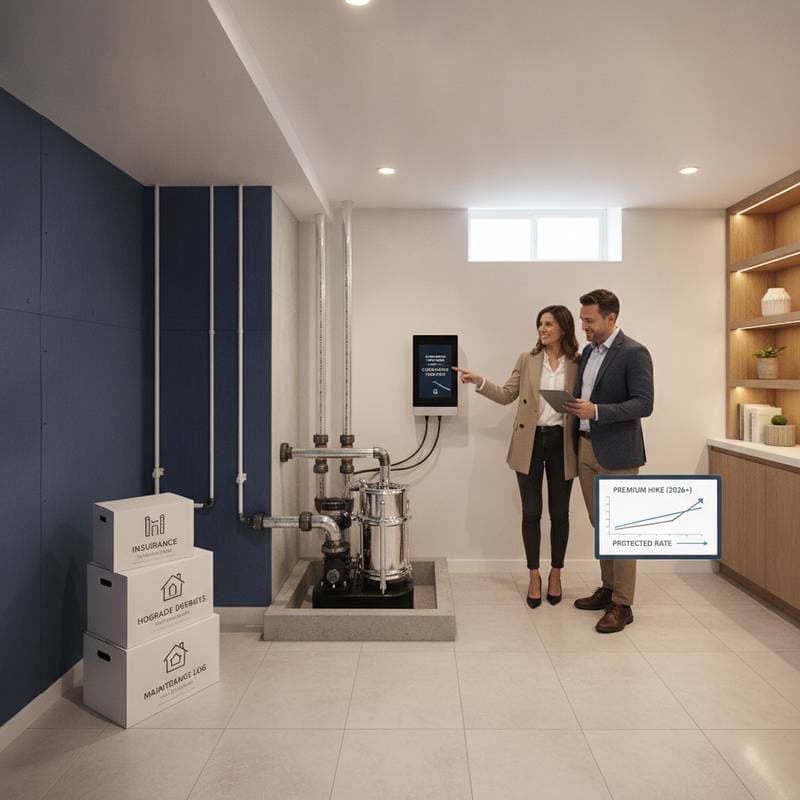
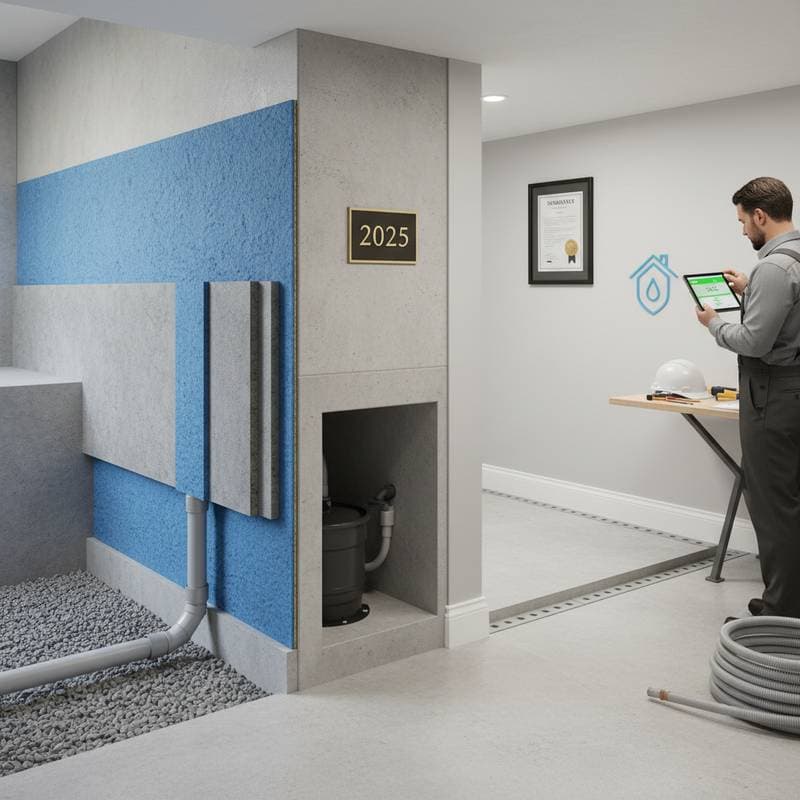
Starting in 2026, flood insurance policies will require certified basement waterproofing. Homeowners must complete sealing, drainage, and sump systems to qualify for coverage and manage premiums effectively.

Stacy CadriJul 9
New Insurance Rules Make Basement Waterproofing Essential

New Insurance Rules Make Basement Waterproofing Essential

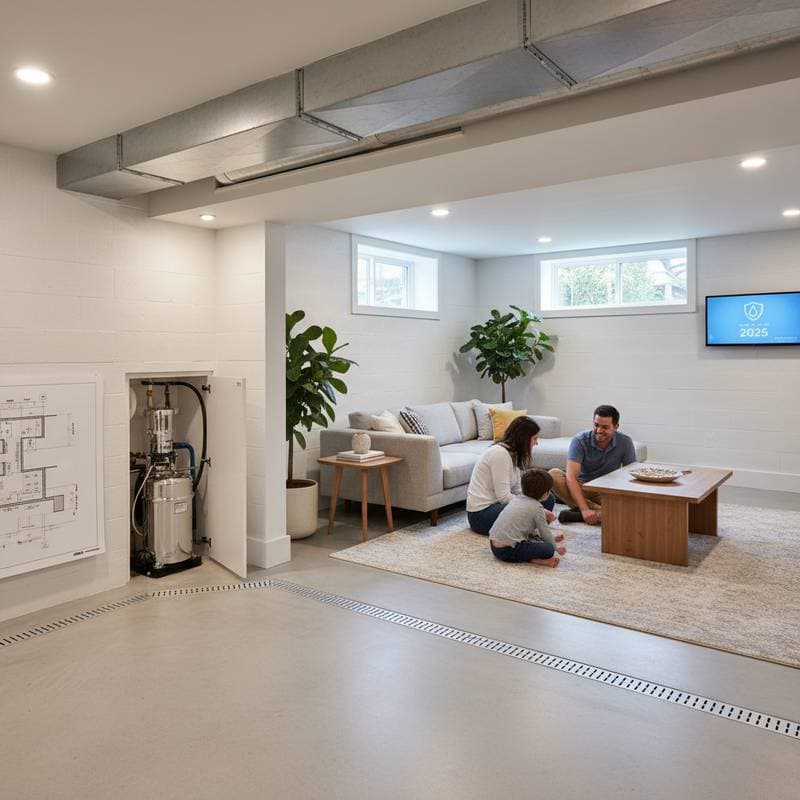
With 2026 insurance reforms redefining flood risk, unprotected basements could soon face steep premiums or limited coverage. This guide explains how evolving policies reward verified waterproofing systems, compares leading flood proofing technologies, and outlines cost saving strategies to safeguard your home foundation, finances, and insurability.

Charlie McCannJul 8

2026 Flood Rules Put Basements Under the Microscope

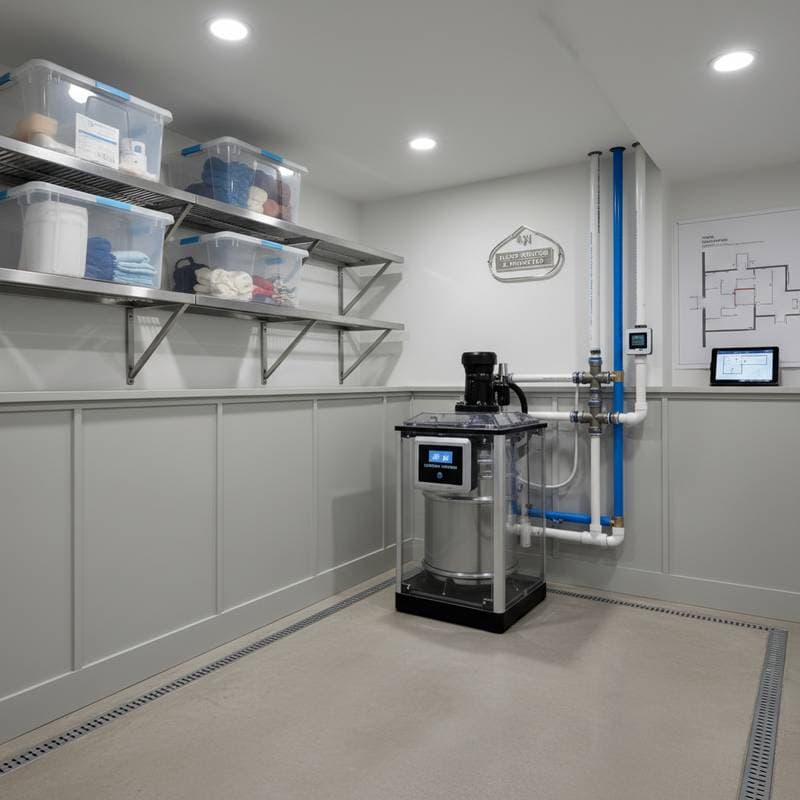
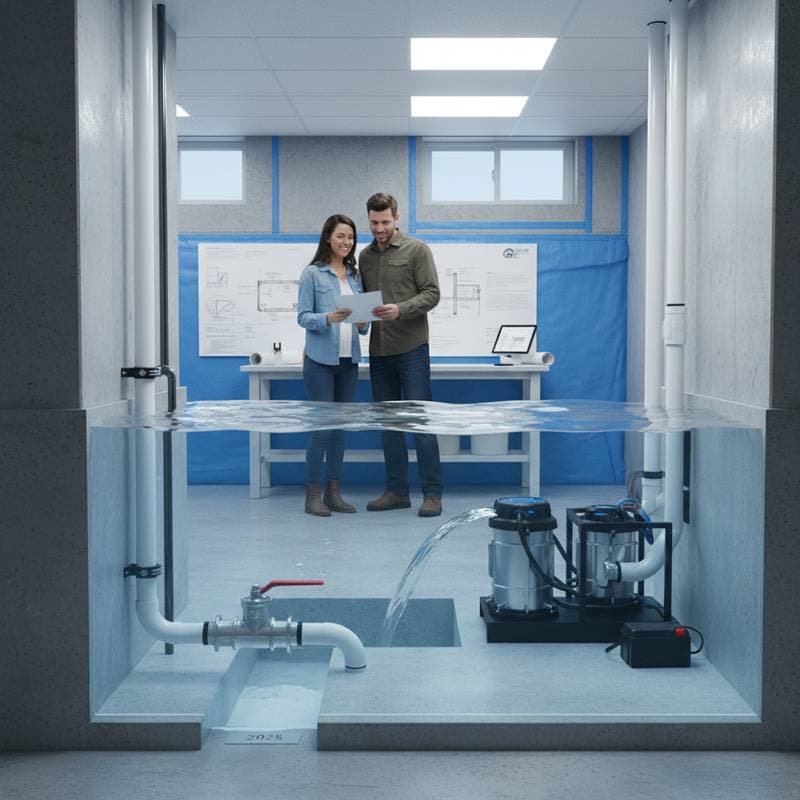
The 2026 insurance regulations elevate basement waterproofing to a necessity. Inspectors require evidence of preventive measures such as sealed foundations, functional sump pumps, and regular maintenance records. These enhancements not only secure insurance coverage but also improve living conditions, health, and property value. Discover effective upgrades to mitigate risks and enhance your home.

3 min read
By JoAnn Souza

Flood Vents Cut Insurance Costs While Protecting Foundations

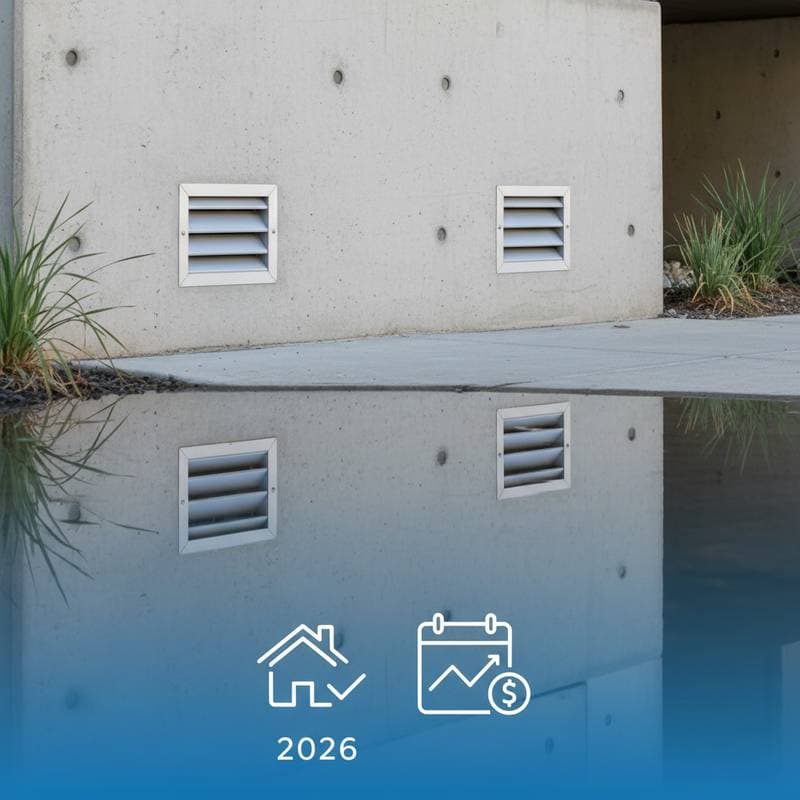
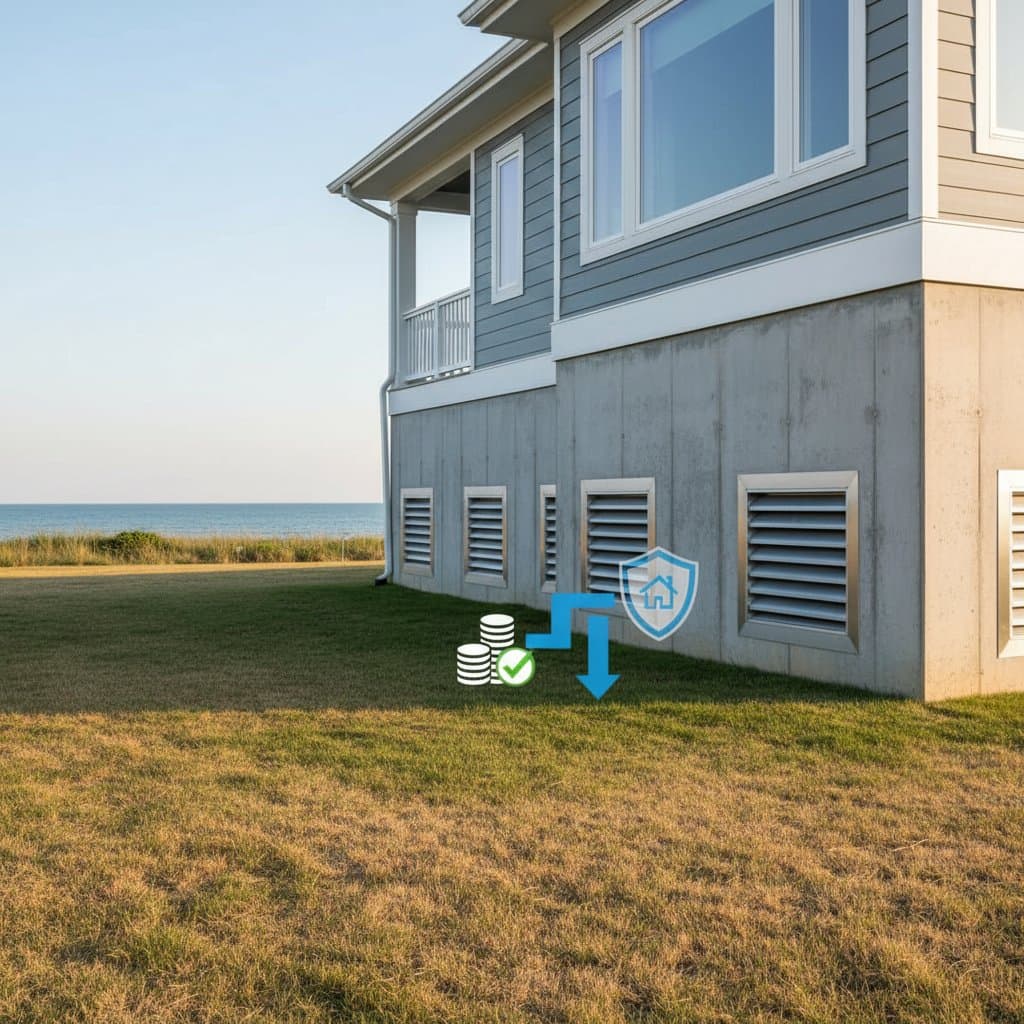
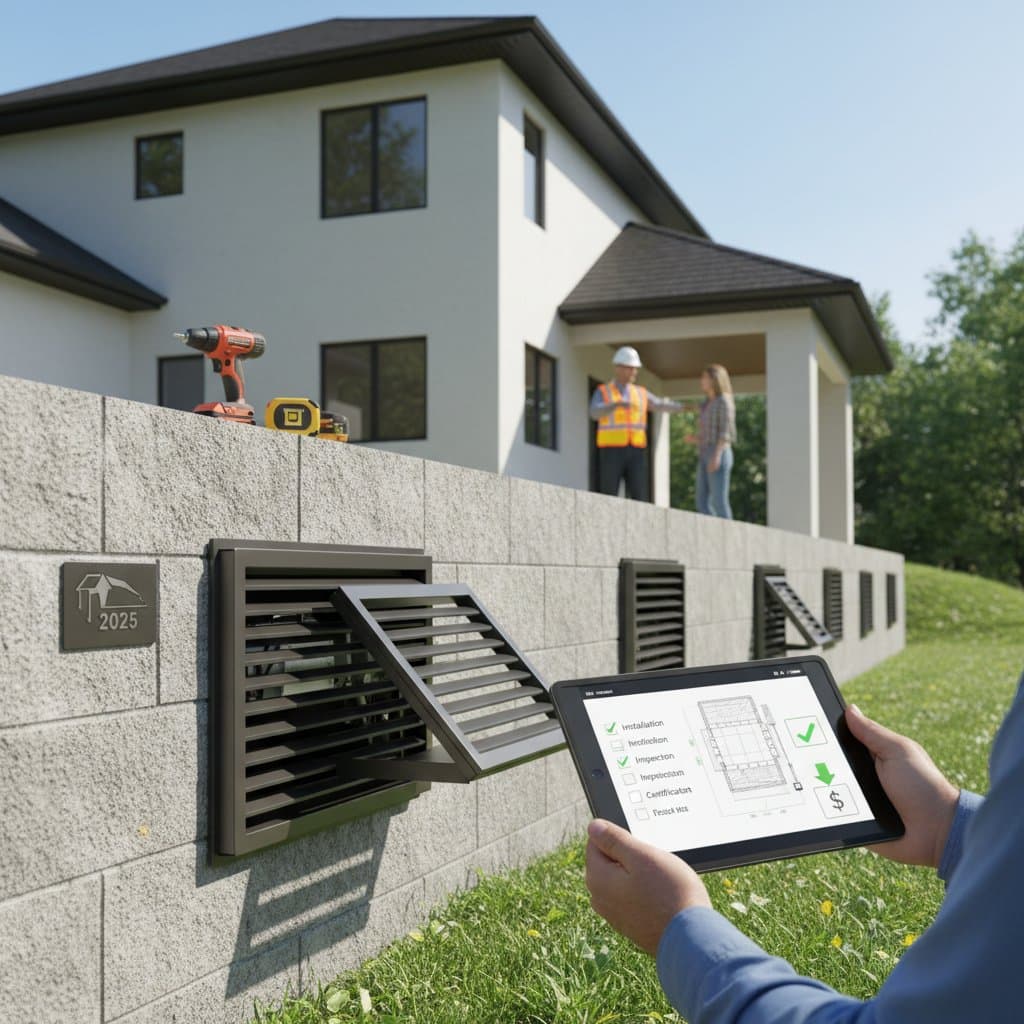
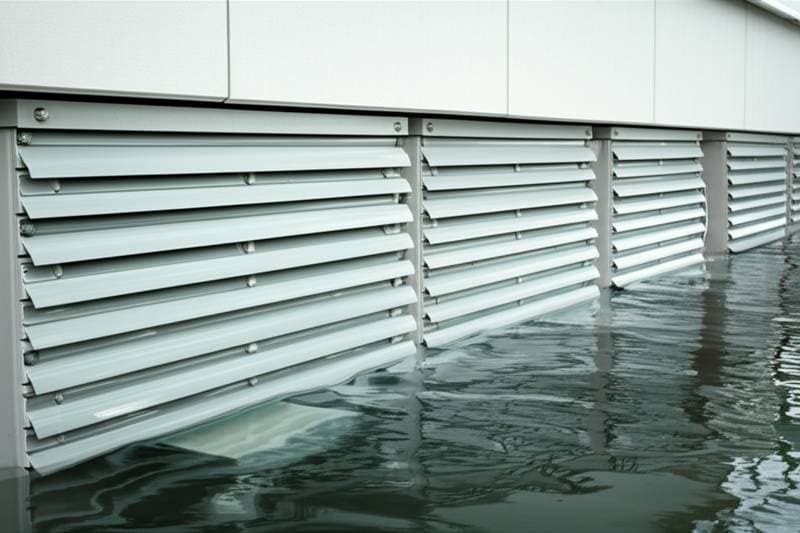
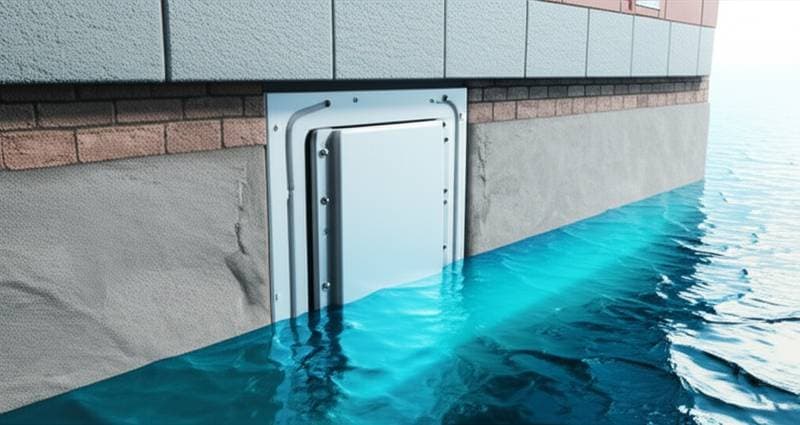
Certified flood vents play a crucial role in complying with 2025 insurance mandates, protecting foundations from water damage, and reducing premiums. Understand how these vents equalize hydrostatic pressure to avoid structural failure, along with installation expenses, options for DIY or professional services, and strategies for compliance, cost savings, and property protection.

4 min read
By Cody Gautson