2025 Mandate: Flood-Proof Basements for Insurance
Flood damage ranks among the most costly and disruptive challenges for homeowners. Insurance providers now enforce stricter standards, rendering basement flood-proofing essential rather than elective. This mandate prioritizes risk mitigation, resident safety, and enduring property preservation. Homeowners in riverine, coastal, or high-rainfall regions must grasp the implications for their residences and policies.
Key Facts
Average cost: $4,000 to $12,000
Timeline: 3 to 10 days, varying by project scale
Lifespan: 20 to 40 years with routine maintenance
Difficulty: Basic sealant or drainage repairs suit do-it-yourself efforts; comprehensive systems demand professional expertise
Cost Breakdown of Basement Flood-Proofing
Expenses vary based on technique, materials, and existing basement conditions. The following outlines prevalent options.
Interior Sealants and Crack Repair
- Cost: $500 to $2,000
- Details: This approach addresses minor leaks or non-structural fissures. Sealants repel moisture yet falter against intense hydrostatic forces during severe floods.
- Best for: Residences experiencing intermittent dampness or isolated leaks.
Interior Drainage System
- Cost: $3,000 to $8,000
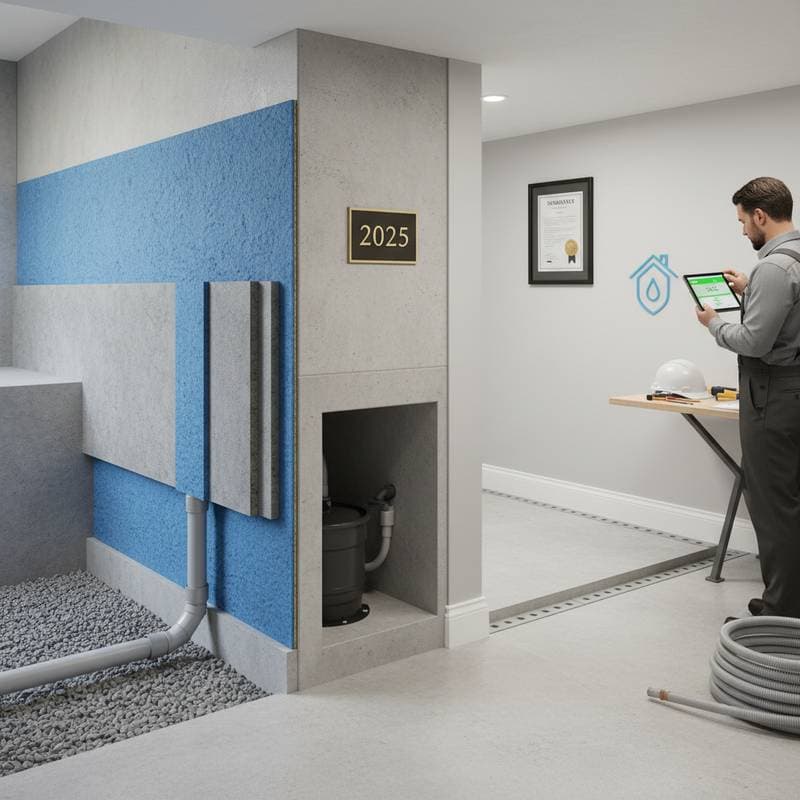
- Details: Components encompass perimeter drains, sump pumps, and vapor barriers. The setup channels and expels water from the foundation.
- Best for: Properties with persistent water entry or inadequate external drainage.
Exterior Waterproofing
- Cost: $8,000 to $15,000
- Details: The process requires foundation excavation, waterproof membrane application, and drainage tile installation.
- Best for: Basements prone to recurrent flooding or elevated groundwater.
Flood Vents and Barriers
- Cost: $200 to $1,000 per unit or section
- Details: These features permit water flow to avert structural harm. Certain flood zones mandate them for policy qualification.
- Best for: Dwellings in mapped flood hazard zones.
Step-by-Step Guide to Basement Flood-Proofing
Step 1: Conduct Inspection and Risk Assessment
Engage a specialist to evaluate water ingress sites, foundation cracks, and drainage flaws. Obtain a detailed written report highlighting potential weaknesses.
Step 2: Enhance Exterior Drainage
Adjust landscaping grades to direct water from the foundation. Clear gutters and downspouts, then extend them at least six feet outward.
Step 3: Seal Cracks and Apply Waterproof Coating
Employ hydraulic cement or epoxy for crack filling. Coat walls with a waterproof layer to block seepage.
Step 4: Install a Sump Pump
Select a model with battery backup to expel floodwater efficiently. Opt for high-capacity units in expansive basements.
Step 5: Integrate Interior Drainage Channels
Position a French drain or perimeter channel at wall bases. This captures water prior to floor contact.
Step 6: Incorporate a Vapor Barrier
Deploy heavy-duty plastic or membrane barriers to halt moisture travel through walls and floors. Pair with a dehumidifier for optimal results.
Step 7: Arrange Professional Verification
Post-installation, secure an evaluation from a certified waterproofing expert. Provide the documentation to your insurer to affirm adherence.
DIY Versus Professional Approaches
DIY Tasks
Homeowners can manage minor fixes such as crack sealing, waterproof paint application, or yard grading adjustments. These efforts incur minimal expense and curb superficial moisture.
Professional Services
Enlist licensed specialists for drainage systems, sump pump integration, or exterior waterproofing. Experts possess tools for secure excavation, leak detection, and mandate conformity. In floodplain locations, certification by professionals proves mandatory.
Professionals also facilitate premium reductions. Insurers frequently discount rates for documented flood-proofing installations.
Insurance Review Preparation
Prior to policy renewal or application, compile these records:
- Evidence of flood-proofing implementation
- Contractor credentials and guarantees
- Assessment reports and adherence certifications
- Records of pump or drain upkeep
Present these materials to your insurer for validation. Without sufficient safeguards, providers may insist on enhancements before policy approval.
Advance Your Basement Protection Plan
Basement flood-proofing shields your home, possessions, and fiscal stability. Although upfront investments appear substantial, they pale against flood repair expenses for flooring, walls, and wiring. Proactive measures fulfill insurance criteria and avert ongoing concerns.
Initiate the process with a specialist assessment and detailed cost proposal. Evaluate contractors, scrutinize guarantees, and verify alignment with insurer expectations. Sustain the setup through periodic tests and checks to preserve effectiveness.