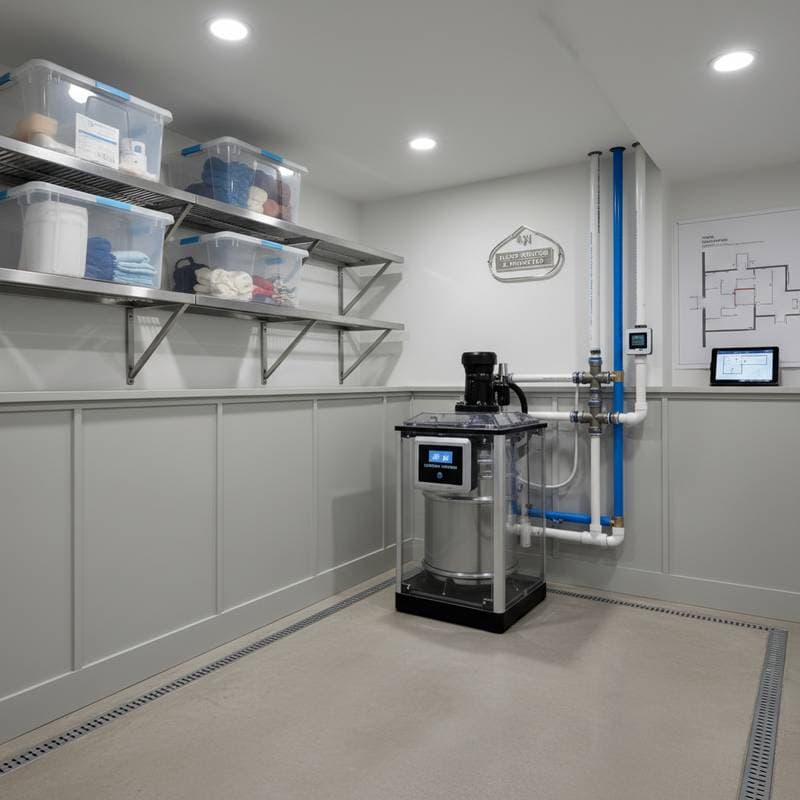
2026 Mandate: Flood-Proof Basements for Insurance
Homeowners in flood-prone areas face a significant change with the 2026 federal flood resilience standards. These rules require insured properties in designated zones to feature flood-proof or water-resistant basements. Compliance often involves installing or upgrading drainage systems, sump pumps, and foundation seals. The goal is to minimize insurance claims from basement flooding while safeguarding property values and reducing future repair expenses.
Why This Mandate Matters for Homeowners
Flood damage ranks as the primary cause of property loss in numerous regions. Insurance providers have responded by enforcing stricter coverage criteria, rendering basement waterproofing essential in mapped flood zones. Homeowners must provide evidence of flood-resistant features upon policy renewal if their property lies within these areas.
Failure to comply risks elevated premiums or policy termination. In contrast, adherence safeguards the home and enhances resale appeal by three to eight percent. Prospective buyers frequently inquire about water management and foundation integrity prior to purchase.
Factors Influencing Compliance Costs
The expense of meeting these standards varies based on several key elements.
- Foundation Type: Sealing poured concrete proves simpler than addressing block or stone foundations, which often require comprehensive membrane applications.
- Drainage Conditions: Properties with inadequate grading or absent storm drains may necessitate exterior excavation, adding five thousand to eight thousand dollars.
- Existing Damage: Repairs for mold, cracks, or hydrostatic pressure must precede waterproofing efforts.
- Sump Pump Capacity: Installation of a dual-pump system with battery backup ranges from one thousand to two thousand five hundred dollars.
- Permit Fees: Municipal requirements typically impose costs of two hundred fifty to one thousand two hundred dollars for inspections and paperwork.
For homes with existing waterproofing, engage a contractor to evaluate the foundation and drainage. This assessment identifies precise upgrades needed for regulatory approval.
Strategies to Minimize Compliance Expenses
Homeowners can achieve compliance efficiently through strategic planning.
- Bundle Repairs: Integrate waterproofing with foundation fixes or basement finishing to consolidate labor and permitting fees.
- Opt for Off-Season Scheduling: Contractors reduce rates during late fall or early winter due to lower demand.
- Leverage Rebates: State and local flood mitigation initiatives cover up to twenty-five percent of eligible expenses.
- Choose Hybrid Systems: Interior drain tiles combined with sump pumps offer protection against typical floods at half the price of exterior work.
- Explore Insurance Financing: Certain providers extend low-interest loans for improvements that lower claim probabilities.
Obtain three quotes from certified local contractors prior to proceeding. Evaluate warranty details and confirm alignment with forthcoming insurance verification protocols.
Overview of Flood-Proofing Systems
Flood-proofing encompasses active methods, which mechanically manage water, and passive ones, which create barriers against intrusion. Effective solutions integrate elements from both categories.
Passive Systems
- Exterior Waterproof Membranes: Durable rubberized layers applied to foundation exteriors to repel water.
- Bentonite Panels: Clay materials that expand upon contact with moisture to block entry points.
- Concrete Admixtures: Specialized additives that render fresh concrete less permeable to water.
Active Systems
- Sump Pumps: Devices that extract accumulated water from drain tiles or low areas.
- Backflow Valves: Mechanisms that block sewer backups during intense rainfall.
- Dehumidifiers: Units that maintain humidity under fifty percent to prevent mold and structural decay.
Consult a qualified waterproofing specialist for testing groundwater pressure, humidity, and foundation permeability. This analysis ensures a customized system suited to the property.
Returns on Investment and Enduring Benefits
Investing in a flood-proof basement yields measurable financial and practical advantages.
- Premium Reductions: Certified upgrades lead to ten to twenty percent savings on annual insurance costs.
- Repair Aversion: A single prevented flood avoids fifteen thousand dollars or more in remediation fees.
- Air Quality Enhancement: Controlled moisture levels diminish mold hazards and elevate indoor environments.
- Resale Premiums: Documented waterproofing attracts buyers and supports higher closing prices.
Investment recovery averages sixty to eighty percent, influenced by regional markets. Pairing with basement enhancements or efficiency improvements amplifies these gains.
Steps to Implement Upgrades
Initiate the process with a professional inspection of the foundation, drainage, and sump infrastructure. Request a detailed written report to inform budgeting and scheduling. Complete modifications ahead of the 2026 deadline to avoid insurance disruptions.
Retain all documentation, including receipts, permits, and warranties. Insurers demand proof of adherence to flood-resistance criteria.
In elevated risk zones, incorporate sensors for water detection or generators for sump pump reliability. These additions, priced at five hundred to one thousand two hundred dollars, mitigate losses from outages.
Flood-proofing represents a strategic commitment to resilience. It preserves insurance access, fortifies the home, and sustains long-term equity.