Understanding the 2026 Insurance Changes for Basement Protection
Homeowners across flood-prone regions face significant adjustments with the 2026 flood insurance regulations. These updates place basements under intense scrutiny during inspections. Properties in areas with elevated flood risks or high water tables must demonstrate robust preventive strategies to maintain full coverage and avoid premium increases.
Advancements in waterproofing technology simplify compliance. Modern materials and detection systems enable effective moisture control without extensive disruption. Homeowners can implement these solutions ahead of policy renewals to ensure long-term financial and structural security.
Historical Context of Basement Vulnerabilities
Traditional basement construction often overlooked persistent moisture challenges. Early builders depended on natural soil compaction, basic perimeter drains, and untreated concrete walls. As these elements aged, water infiltrated through micro-fissures and expansion joints, leading to gradual deterioration.
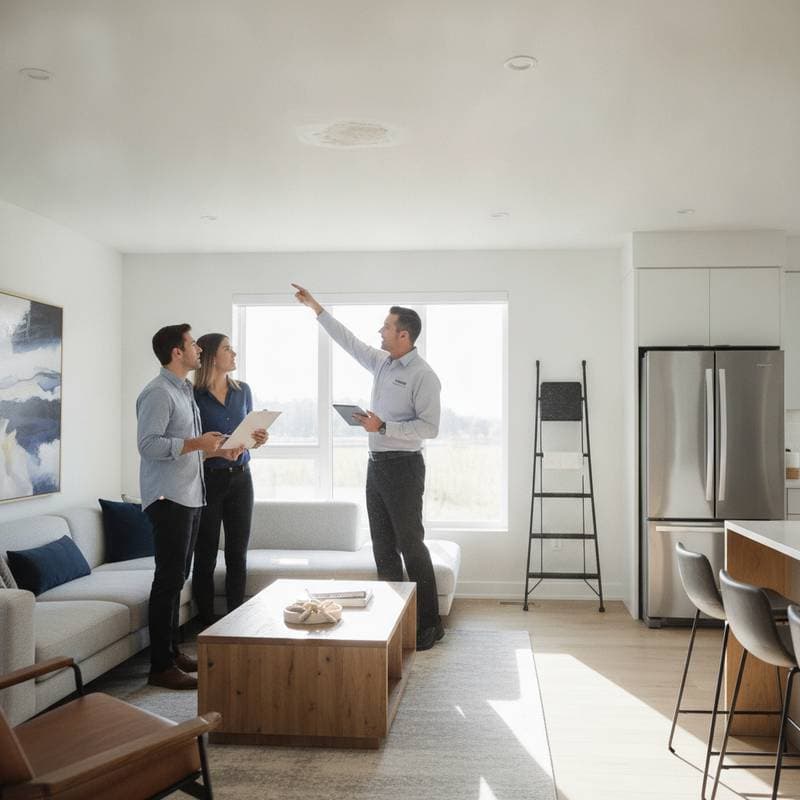
Previous insurance practices tolerated intermittent issues with straightforward repair claims. Coverage extended to cleanup and restoration without demanding preventive evidence. Current standards shift toward anticipation of risks. Even minor signs of dampness, such as discolored trim or efflorescence on walls, may trigger compliance reviews and policy adjustments.
Key Design Elements for Effective Waterproofing
Contemporary waterproofing integrates durability with aesthetic appeal. These solutions create a resilient environment suitable for everyday use while meeting regulatory demands.
- Wall Sealants: Apply permeable membranes or epoxy-based coatings that block liquid water yet permit vapor diffusion. Neutral tones like slate gray enhance visual warmth.
- Flooring Solutions: Install interlocking vinyl tiles over a polyethylene vapor barrier to prevent subfloor moisture migration. This setup provides insulation and slip resistance.
- Ceiling Configurations: Opt for suspended panels made from fiberglass or mineral board, which resist mold and allow easy inspection of utilities.
- Illumination Options: Select IP-rated LED panels that operate safely in humid settings, distributing even light to highlight the space's functionality.
Such features align with inspection criteria and elevate the basement's usability. Transform the area into a productive workspace, comfortable retreat, or fitness zone with confidence in its stability.
Budgeting and Strategic Planning for Upgrades
Costs for waterproofing projects fluctuate based on property specifics, including foundation type and local hydrology. Basic interior applications, such as sealant application and sump pump addition, range from $2,000 to $5,000. More comprehensive exterior work, like French drain installation, may exceed $10,000 but offers superior longevity.
Effective planning maximizes value:
- Solicit evaluations from at least three specialists to identify unique vulnerabilities.
- Prioritize warranties that transfer to future owners, enhancing resale potential.
- Verify eligibility for insurer incentives, which can reduce annual premiums by 10 to 20 percent upon certification.
Thorough documentation of installations supports insurance claims and offsets upfront investments through sustained savings.
Ongoing Maintenance for Sustained Protection
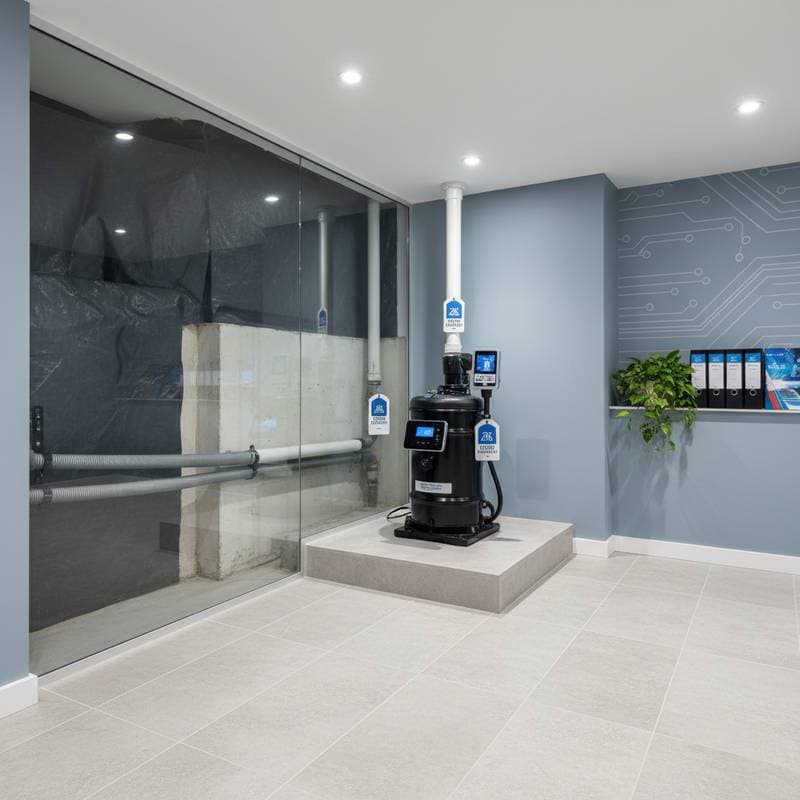
After completing waterproofing enhancements, regular upkeep ensures enduring performance. Schedule biannual tests for sump pumps to confirm operational reliability. Clear sediment from drain grates quarterly and inspect sealant integrity following heavy precipitation events.
Incorporate humidity controls with energy-efficient dehumidifiers set to 50 percent relative humidity. Monitor for subtle indicators like peeling paint or musty odors, addressing them promptly to prevent escalation.
This proactive approach fosters a secure foundation. Insurance stability follows, alongside a more habitable basement that enhances overall home enjoyment.
Realizing Long-Term Benefits from Basement Investments
Waterproofing extends beyond regulatory adherence to tangible home improvements. Reduced moisture minimizes health risks from mold and allergens. Enhanced space utilization increases property appeal and potential market value by up to 15 percent.
Evaluate your basement's current state against these standards. Initiate assessments now to align with the 2026 requirements and build resilience against future floods.