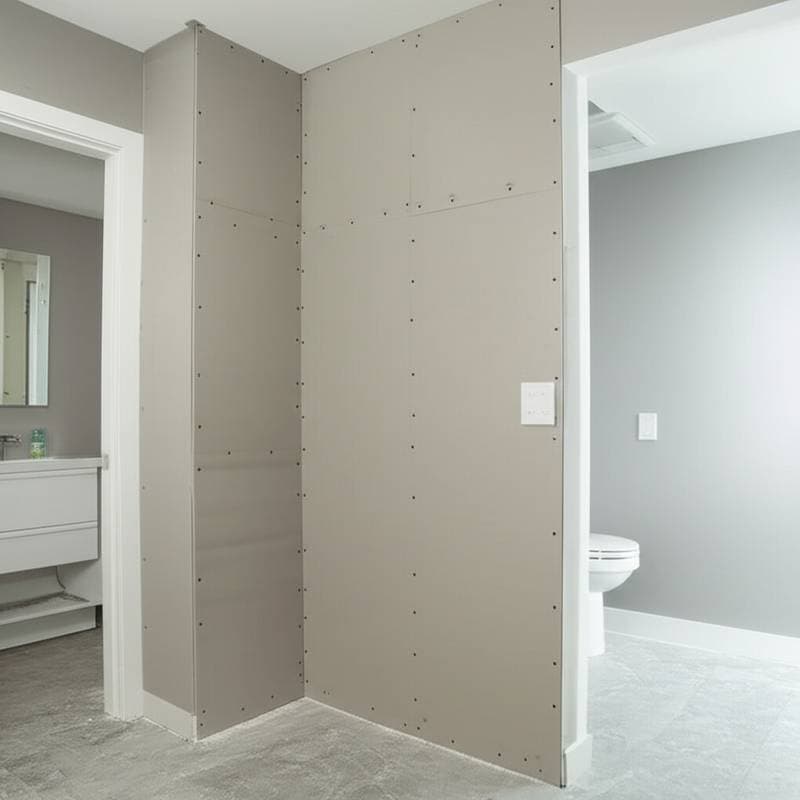

Mold-Resistant Materials Now Required for Coverage
Control

Mold-Resistant Materials Now Required for Coverage

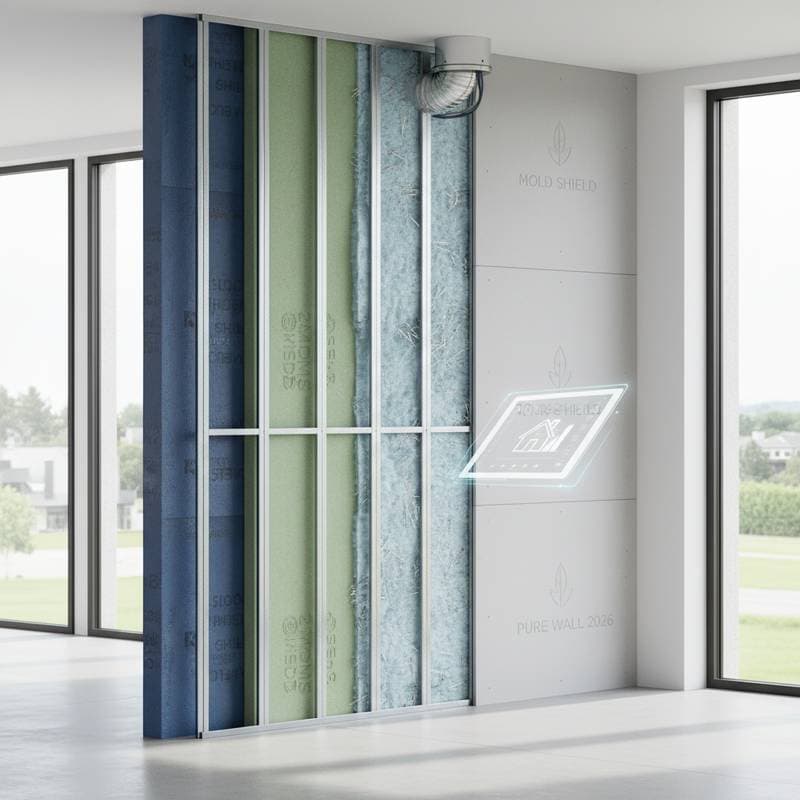
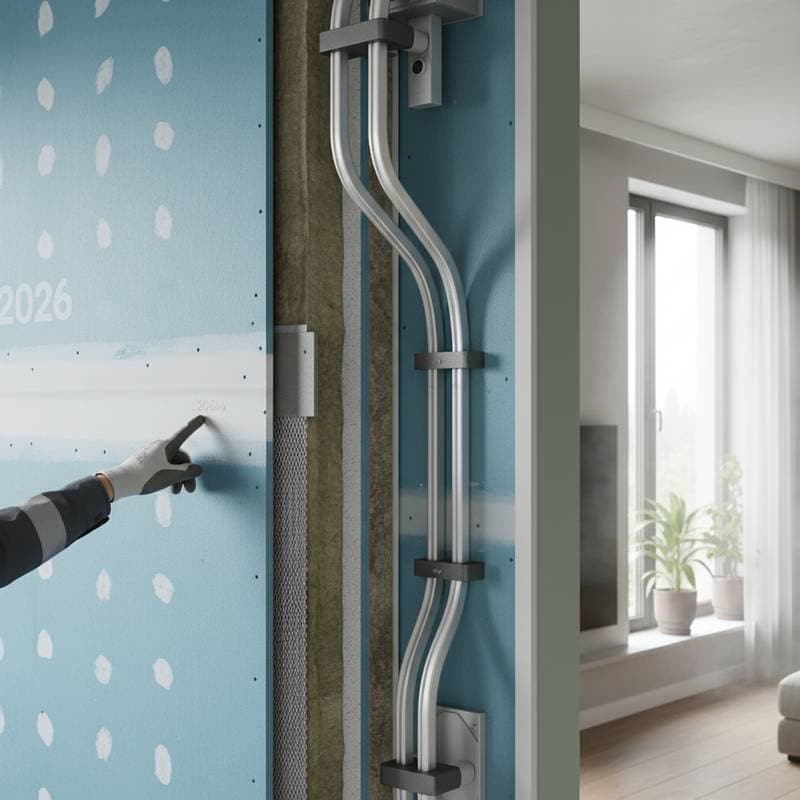
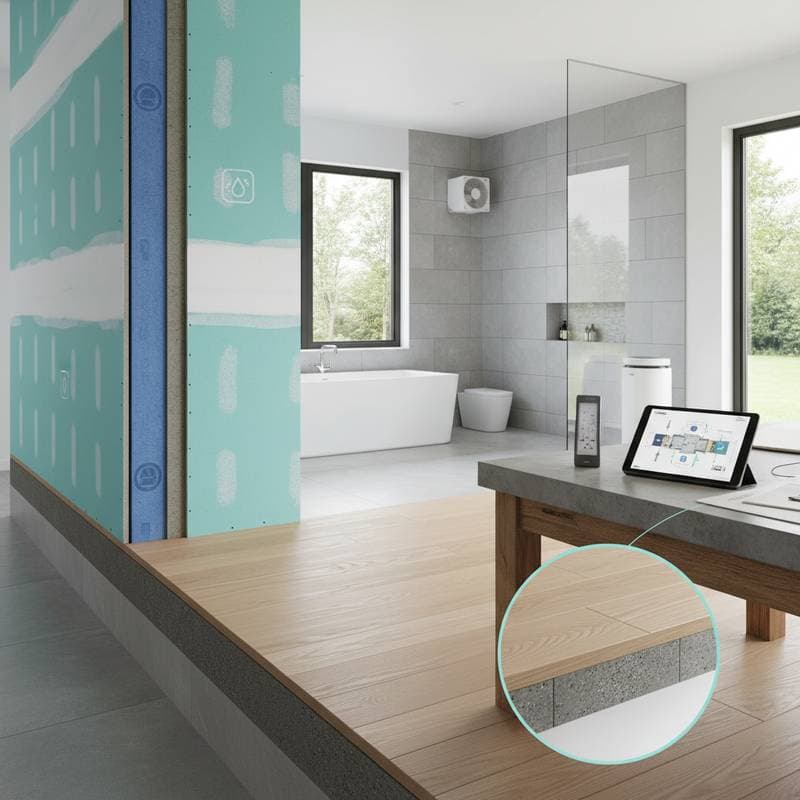
Starting in 2026, mold-resistant materials become mandatory for insurance coverage, driven by stricter moisture management rules. Homeowners need ASTM-compliant options, HVAC coordination, and thorough records to ensure eligibility, boost property value, and avoid expensive mold claims.

By Charlie McCannMarch 18, 2026
Read Article

More articles tagged #Control

Explore our collection of control related content

Moisture Control Materials That Stop Mold Before It Starts

Moisture Control Materials That Stop Mold Before It Starts

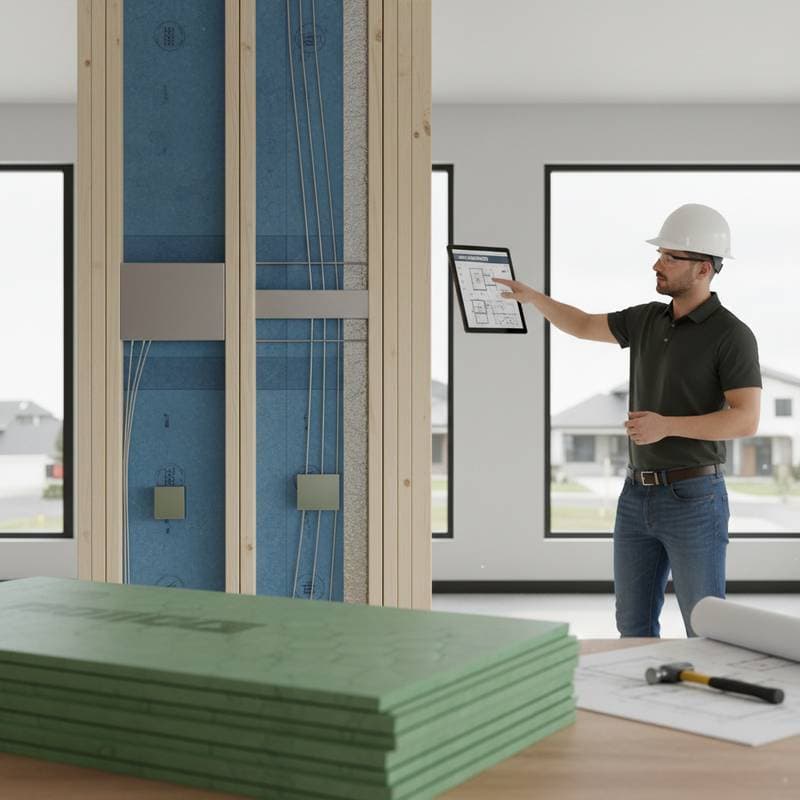
The 2026 building codes introduce rigorous moisture control and ventilation requirements for home construction. Selecting certified mold-resistant materials enhances health, maintains property value, and reduces long-term expenses. Options spanning drywall to insulation promote superior air quality, structural integrity, and energy efficiency for forward-thinking homeowners.

Stacy CadriMar 12
Why 2026 Codes Make Mold Drywall Nearly Mandatory

Why 2026 Codes Make Mold Drywall Nearly Mandatory

The 2026 building codes elevate mold-resistant drywall to a near-mandatory status, influencing renovation budgets and material choices. These stricter moisture and air quality regulations prevent expensive repairs, enhance home value, and promote healthier living spaces. Discover the implications for costs, compliance, and proactive planning.

Stacy CadriMar 11

Moisture-Wicking Insulation Stops Mold Before It Starts

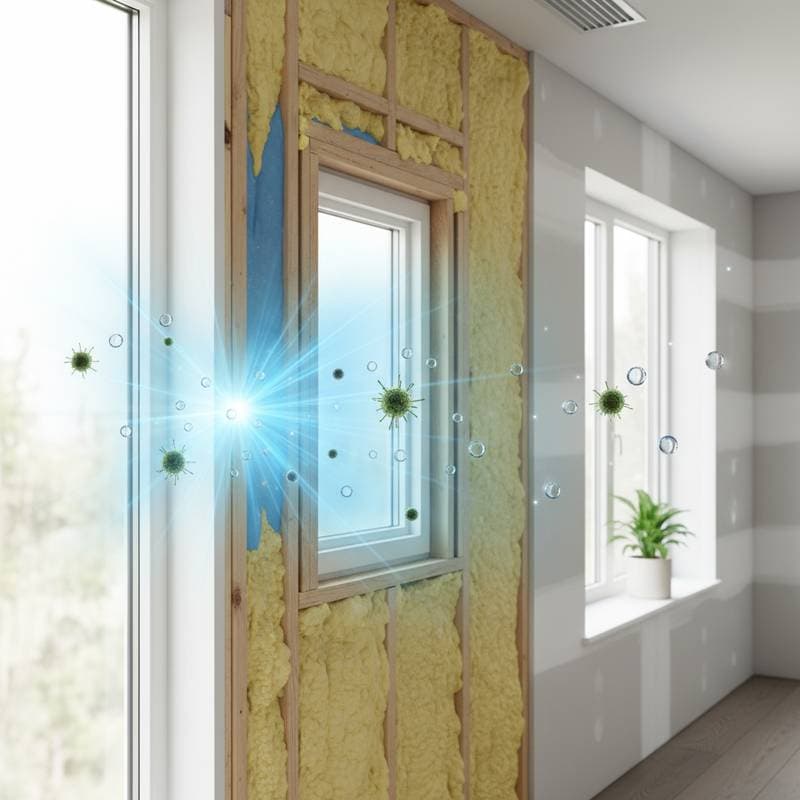
With humidity on the rise, mold poses a growing threat to homes across the country. Moisture-wicking insulation provides effective, long-term defense by channeling away dampness. This guide covers closed-cell spray foam, mineral wool batts, and rigid foam boards, along with installation costs, DIY feasibility, rebates, and expert tips to maintain dry walls, lower energy expenses, and avoid costly mold remediation.

5 min read
By Cody Gautson

Mold-Resistant Materials Now Required by 2026 Codes

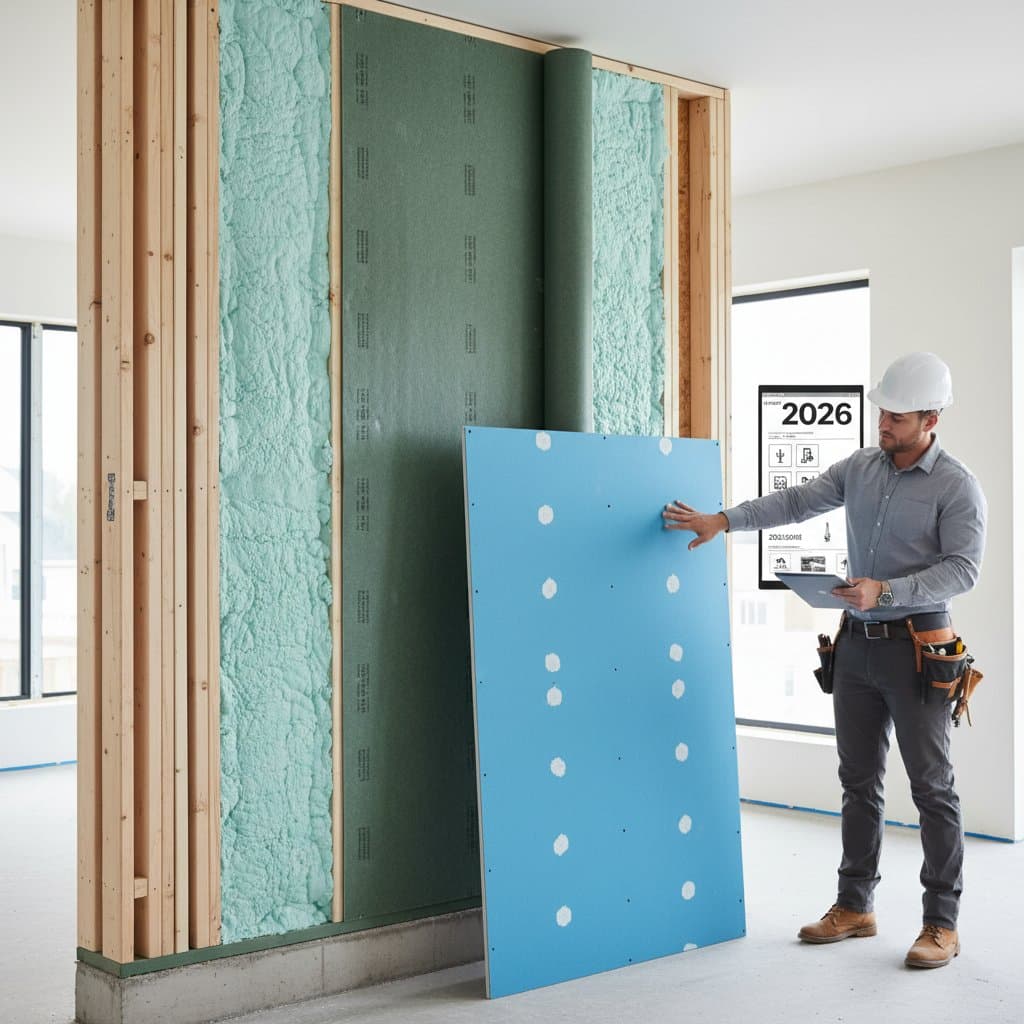
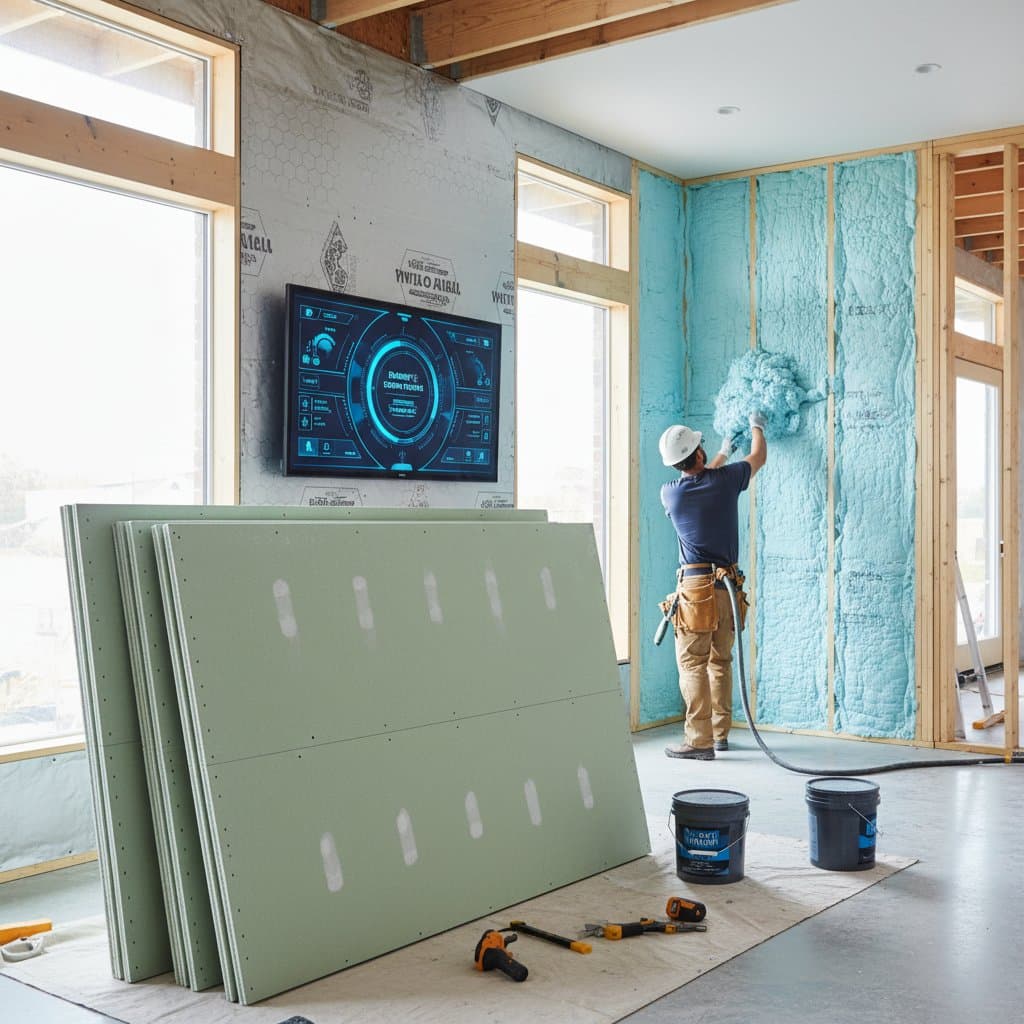
Starting in 2026, building codes will enforce the use of mold-resistant materials to boost home durability and indoor air quality. Options such as fiberglass-faced drywall and coated sheathing combat moisture effectively, while also supporting energy savings. Builders and homeowners can prepare now by evaluating climate needs and verifying standards for lasting protection.

5 min read
By Charlie McCann

New 2026 Standards for Mold-Resistant Building

The 2026 mold-resistant building standards transform construction practices by integrating superior moisture barriers, verified materials, and optimized airflow. These enhancements impose rigorous checks on builders while providing homeowners with mold-free environments that reduce health risks, cut repair needs, and boost property endurance in damp climates.

4 min read
By Kelly Alyse

Mold Prevention Saves Thousands in 2025 Repair Costs

Escalating repair expenses position mold prevention as a key 2025 focus. Halting moisture early preserves structural integrity, enhances air quality, and secures finances. Implement humidity management, ventilation enhancements, and swift leak repairs to avert thousands in cleanup fees. Discover targeted upgrades and specialist recommendations for sustained home wellness.

5 min read
By Becca Roberts

2025 Codes Now Require Mold-Resistant Drywall

The 2025 building codes establish stricter moisture control measures, positioning mold-resistant drywall as a key requirement for contemporary construction. These panels safeguard bathrooms, basements, and other vulnerable areas by enhancing air quality, extending durability, and ensuring regulatory adherence. This guide covers code updates, expense considerations, and effective installation methods to secure your home's walls and well-being for years ahead.

5 min read
By Becca Roberts