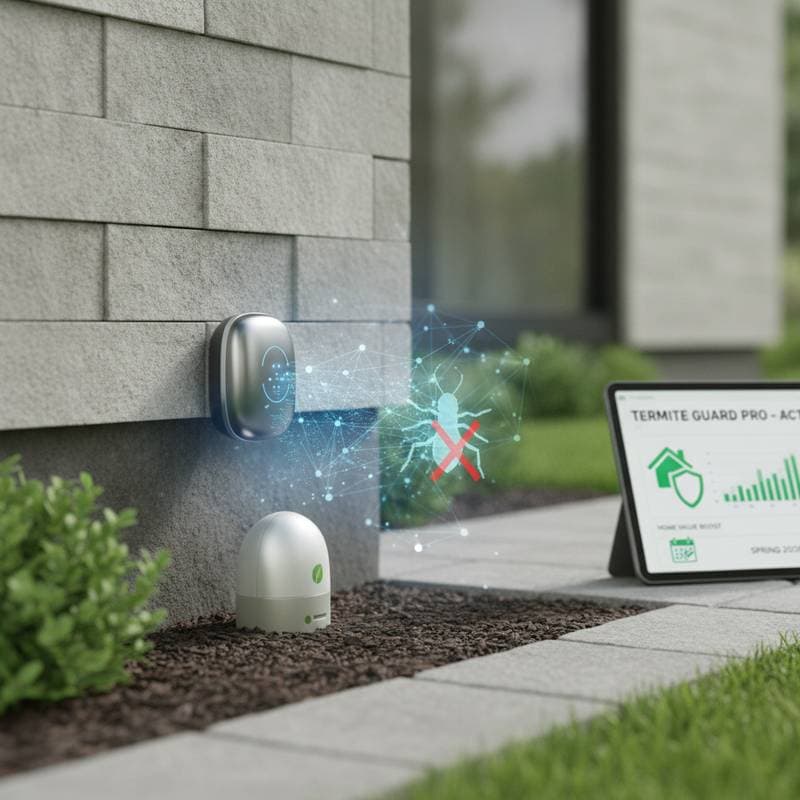
New Termite Protection Technologies for Spring Homes
Your home wooden framework can lose strength quietly before problems become visible. Termites thrive in warm and damp spring conditions. Traditional pest treatments often fail to address infestations promptly. This season, advanced technology offers homeowners new methods to detect and prevent damage before it occurs.
Sensor Based Detection and Data Monitoring
Modern systems incorporate moisture and vibration sensors. These devices monitor early warning signs within walls and crawl spaces. The sensors connect to a central hub that sends alerts via a mobile application. Homeowners typically invest between 300 and 600 dollars for a connected monitoring setup. Subscription fees for continuous reporting range from 10 to 25 dollars per month.
Professional installation suits homes with complex framing or finished basements. Do it yourself approaches work for single level homes with accessible crawl spaces. Test sensors on a monthly basis and replace batteries according to the schedule to maintain reliable data.
Precision Chemical Barriers for Foundation Protection
Traditional soil treatments relied on broad chemical applications that often wasted product and harmed soil ecosystems. Newer systems use targeted injection rods that deliver termiticide directly around foundations at precise depths. This approach reduces chemical use by up to 40 percent while maintaining full protection.
Expect to invest between 1200 and 2000 dollars for a mid size home. Regional prices vary based on soil type and local regulations. States with sandy soil or high water tables may require additional layers of protection and raise costs by 10 to 15 percent.
Always hire a licensed applicator for chemical barriers. In most regions building codes restrict homeowners from performing these treatments due to safety and environmental standards.
Advanced Bait Systems with Smart Lures
Bait technology has advanced beyond simple wooden stakes. Newer systems use cellulose based cartridges with protein attractants and slow acting insect growth regulators. Termites feed on these lures and transfer the control agent throughout the colony.
A standard bait system installation typically costs between 1000 and 1800 dollars depending on property size and soil conditions. Replacement bait cartridges cost about 60 to 120 dollars per year.
For best results schedule a professional inspection every six months. Technicians can track colony activity through integrated RFID chips in the stations and adjust placement for changing soil moisture levels.
Cost Variables Across Home Sizes
| Home Size | Typical Investment | Maintenance Frequency |
|---|---|---|
| Small (under 1500 sq ft) | 800 - 1200 | Annual |
| Medium (1500 - 2500 sq ft) | 1200 - 2000 | Semi-annual |
| Large (over 2500 sq ft) | 2000 - 2800 | Quarterly |
Moisture control, landscaping proximity, and foundation design influence total cost. Homes with poor drainage or heavy mulch contact often require additional sensors or barrier reinforcement.
Money Saving Strategies
- Schedule inspections in early spring before swarm season. Many companies offer discounted packages during this window.
- Bundle pest control services for ants, rodents, and termites to reduce individual treatment costs by up to 20 percent.
- Check local incentives. Some municipalities provide rebates for eco friendly bait systems that reduce chemical runoff.
Obtain three free quotes from local contractors before committing to a system. Compare warranty coverage, monitoring plans, and product certifications before signing a service agreement.
Sustaining Home Value Through Proactive Measures
Termite technology now merges digital monitoring with precision treatment. This combination gives constant insight into hidden risks. A well planned system prevents thousands of dollars in structural repairs and maintains property value over time.
If a current protection plan is more than a few seasons old schedule a professional inspection. Request a quote for smart monitoring or precision barriers. Choose professional help when chemical application or structural drilling is required. Keep DIY maintenance such as sensor checks and bait replacement on the calendar.