Key Takeaways
- The 2026 mold-resistant building standards prioritize enhanced moisture control, superior ventilation systems, and certified materials for both residential and commercial construction projects.
- Builders and homeowners must incorporate approved mold-resistant drywall, insulation, and sealants that achieve specific performance ratings in high-humidity conditions.
- These regulations aim to minimize health risks associated with mold, decrease long-term maintenance expenses, and enhance the durability of structures in new constructions and renovations.
Reasons for Updating Mold-Resistant Standards
Rising global humidity levels, increased frequency of water intrusion incidents, and heightened public awareness of health impacts have compelled regulators to reinforce mold prevention protocols.
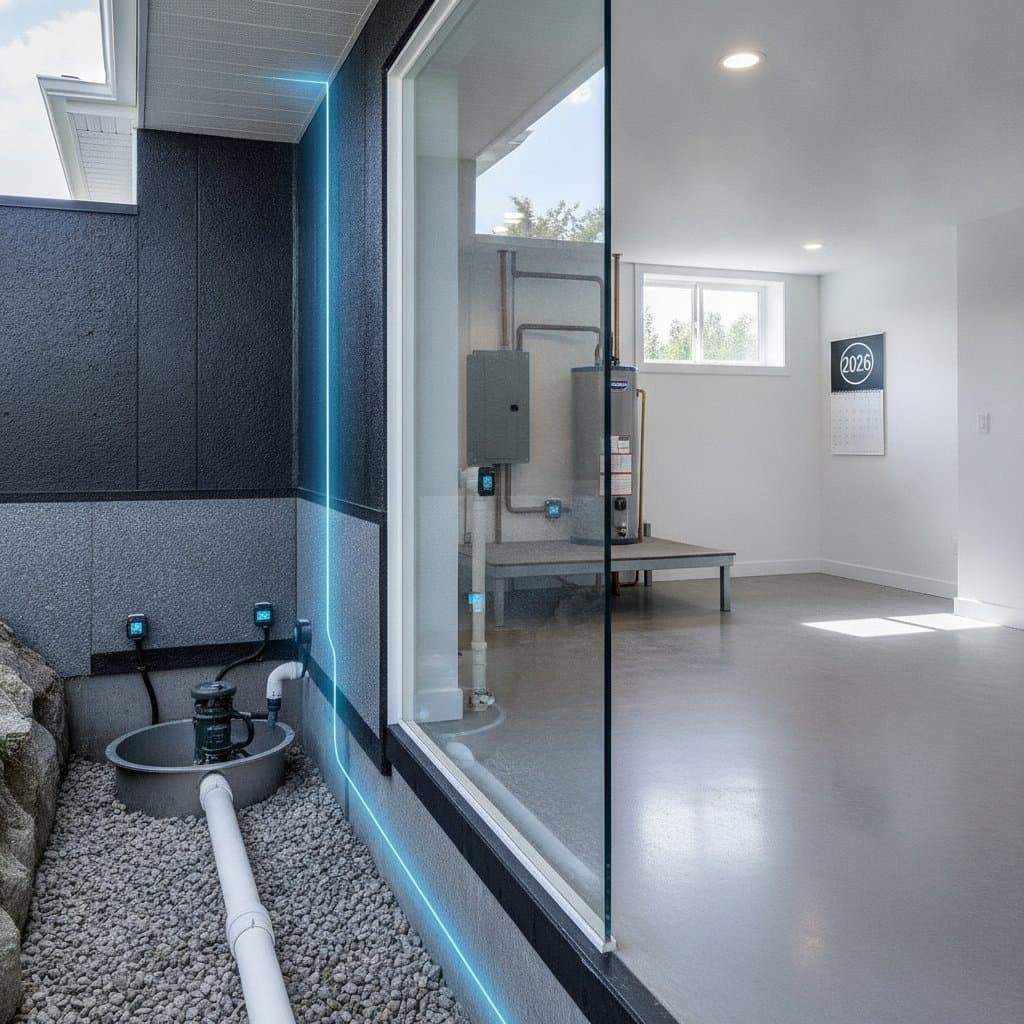
Moisture management has long formed a cornerstone of building codes, yet conventional materials and methods prove insufficient against contemporary environmental pressures. Mold thrives indoors within 48 hours under favorable conditions, compromising air quality and compromising structural stability. Regulators now mandate integrated approaches that examine material compatibility, ventilation efficacy in promoting drying, and strategic water diversion from foundational elements.
Homeowners demand structures that deliver reduced upkeep and optimized energy efficiency. These revised standards equip builders to engineer residences that inherently repel mold through proactive design and material selection. For instance, standards now require seamless integration of vapor-permeable membranes with rigid insulation to prevent condensation buildup in walls and attics.
Impacts on Builders and Homeowners
Builders encounter rigorous inspection and verification processes, whereas homeowners enjoy interiors that remain pristine and enduring over time.
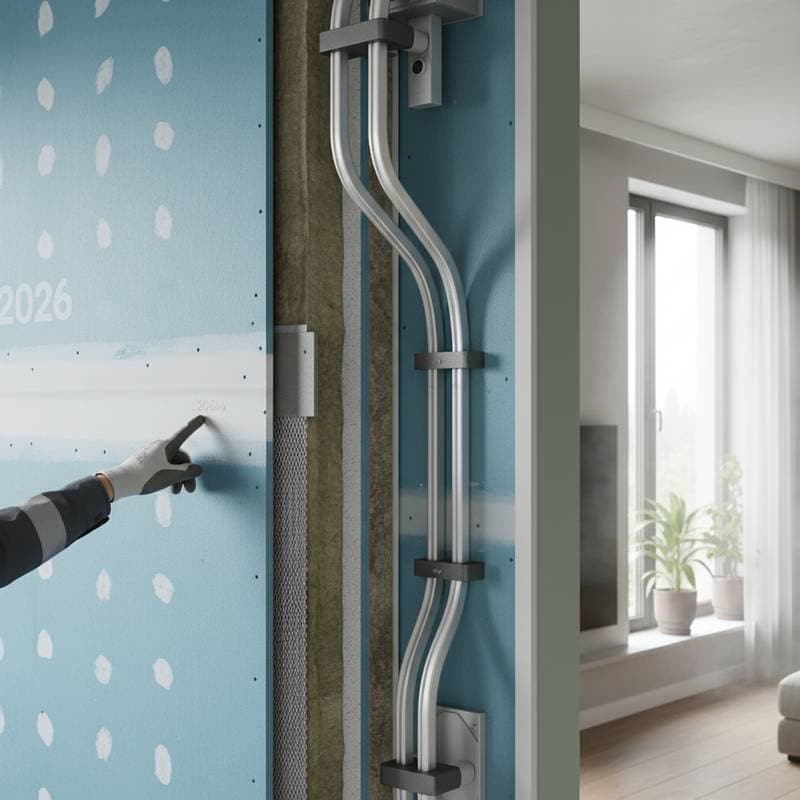
Construction professionals must maintain comprehensive records and demonstrate compliance at each phase. Moisture meters verify dryness levels prior to enclosing walls with drywall, and authorities scrutinize vapor barriers alongside exhaust systems for adequacy before issuing occupancy permits. Non-compliance risks delays or rework, underscoring the need for precise execution.
Homeowners experience fewer disruptions from mold proliferation. Surfaces resist discoloration, ambient air circulates without stale odors, and overall living environments promote well-being. Initial investments in compliant materials yield returns through avoided remediation efforts, diminished repaint cycles, and mitigated medical expenses related to respiratory issues.
Advantages for Homeowners
- Suppression of mold development in moisture-prone locations such as kitchens and crawl spaces.
- Decreased need for routine upkeep and surface refinishing.
- Mitigation of allergens and volatile organic compounds in indoor atmospheres.
- Elevated property marketability, as prospective buyers prioritize wellness-oriented features.
Obstacles for Builders
- Mandated precise installation protocols that extend project timelines by up to 10 percent.
- Elevated expenses for specialized materials, with mold-resistant drywall costing 20 to 30 percent more than conventional options.
- Requirement to educate workforces on advanced moisture diagnostics and barrier applications.
- Expanded paperwork for regulatory audits, including performance test results and supplier certifications.
Frequently Asked Questions
Do these standards raise the price of new constructions?
Initial outlays increase modestly owing to premium materials and supplementary evaluations, yet prospective savings on repairs frequently offset these expenditures within five years.
How can existing residences align with the updated guidelines?
Retrofitting proves feasible through replacement of susceptible drywall, augmentation of insulation with antimicrobial additives, and enhancement of airflow via duct upgrades or dehumidifier integration.
Must mold-resistant drywall feature in all interior spaces?
Prioritize application in vulnerable areas including bathrooms, utility rooms, and below-grade levels, while standard materials suffice in low-risk zones like bedrooms.
Do the regulations extend to non-residential structures?
Affirmative. Institutions such as educational facilities, corporate offices, and medical centers adhere to identical moisture management and material specifications to safeguard occupants.
What indicates product compliance with the standards?
Seek endorsements from accredited laboratories confirming resistance to mold under simulated humidity and wetting scenarios, often displayed via standardized labeling or digital verification codes.
Applying Mold-Resistant Strategies Effectively
Beyond regulatory adherence, these standards foster residences engineered for sustained vitality and aesthetic appeal.
During remodels, proactively specify mold-inhibiting paints and sealants alongside core structural upgrades, even in jurisdictions lagging in adoption. Such foresight delivers tangible benefits in occupant comfort and financial prudence.
Industry shifts toward holistic building envelopes redefine moisture dynamics, from foundational drainage to roofline flashing. Builders now layer defenses that not only comply but exceed expectations, yielding environments resilient to humidity's toll and supportive of enduring health.