Understanding Smart Thermostats
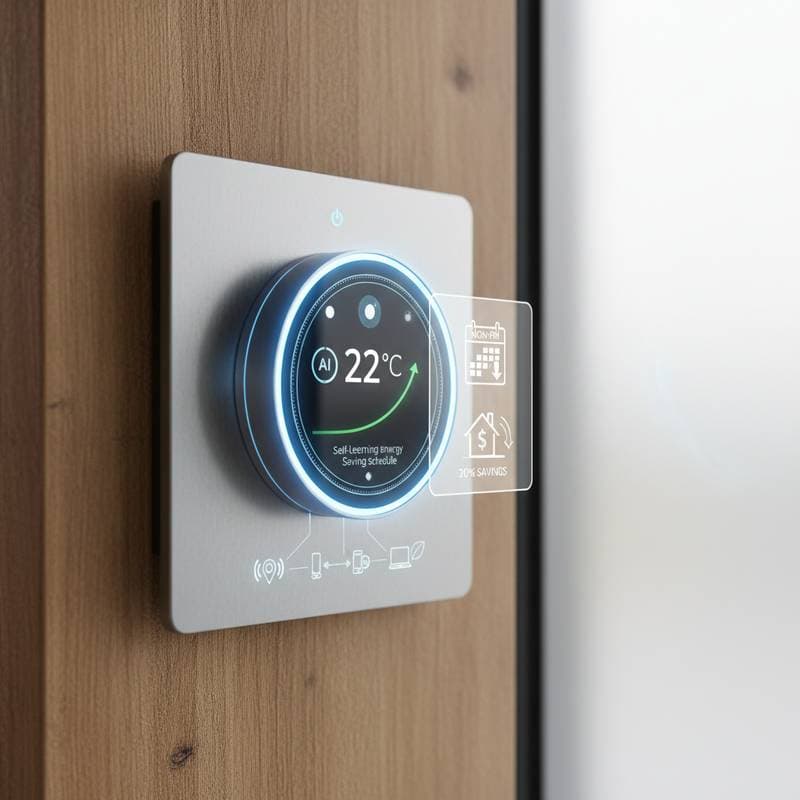
Smart thermostats represent a significant advancement in home automation technology. These devices go beyond traditional thermostats by incorporating sensors, connectivity, and artificial intelligence to optimize indoor climate control. Homeowners benefit from systems that respond dynamically to occupancy patterns and environmental conditions, ensuring consistent comfort while minimizing energy use.
The core appeal lies in their ability to learn and adapt. Unlike manual adjustments, smart thermostats analyze usage data over time to create personalized heating and cooling schedules. This automation reduces the need for constant intervention, allowing residents to focus on daily activities without compromising efficiency.
How Adaptive Features Work
Adaptive algorithms form the foundation of smart thermostat functionality. These algorithms process data from motion sensors, humidity detectors, and temperature readings to predict user preferences. For instance, the device observes when family members arrive home or retire for the evening, adjusting settings accordingly to maintain ideal conditions.
Geofencing adds another layer of precision. By connecting to smartphone location services, the thermostat activates heating or cooling as users approach the home. This feature prevents unnecessary operation during absences, such as workdays or vacations, directly contributing to lower utility bills.
Integration with other smart devices enhances overall performance. Compatibility with platforms like voice assistants or lighting systems allows for seamless coordination. A smart thermostat might dim lights and lower temperatures simultaneously when no one is present, creating a cohesive ecosystem that amplifies energy savings.
Key Adaptive Technologies
-
Learning Schedules: The thermostat tracks routines, such as waking times or evening wind-downs, and refines temperature profiles weekly for optimal balance.
-
Occupancy Detection: Infrared sensors identify presence in specific rooms, directing conditioned air only where needed to avoid wasted energy.
-
Weather Integration: Real-time forecasts inform preemptive adjustments, warming the home before a cold front arrives or cooling it ahead of heatwaves.
These technologies ensure the system evolves with household dynamics, providing reliable performance year after year.
Achieving Cost Savings
Energy efficiency stands as a primary advantage of smart thermostats. Studies indicate potential reductions in heating and cooling expenses by up to 20 percent through precise control. The device eliminates common inefficiencies, like running the air conditioner in an empty house, by automating shutdowns based on learned patterns.
Long-term savings extend beyond immediate bills. Reduced wear on HVAC systems prolongs equipment life, deferring costly repairs or replacements. Homeowners also qualify for utility rebates in many regions, further offsetting the initial investment.
To maximize returns, select models with energy usage reports. These analytics reveal consumption trends, empowering users to make informed adjustments. Over time, such insights foster habits that sustain savings without sacrificing comfort.
Seamless Integration in Smart Homes
Modern homes increasingly feature interconnected devices, and smart thermostats fit naturally into this framework. Pairing with smart locks or security cameras enables comprehensive automation scenarios. For example, upon locking the door for departure, the thermostat shifts to an energy-saving mode automatically.
Voice control simplifies operation. Commands through assistants allow quick overrides, such as raising the temperature remotely during an unexpected early return. This accessibility proves invaluable for busy professionals or families with varied schedules.
Compatibility varies by brand, so compatibility checks prove essential before purchase. Popular ecosystems ensure broad support, minimizing setup frustrations and maximizing utility.
Steps for Integration
-
Assess existing smart home setup to identify compatible hubs or protocols.
-
Download the manufacturer's app and follow pairing instructions for initial connection.
-
Test features like geofencing by simulating arrivals and departures to verify responsiveness.
-
Customize notifications for energy alerts or maintenance reminders to stay proactive.
Following these steps creates a robust network that enhances daily life and efficiency.
Practical Steps for Adoption
Choosing the right smart thermostat begins with evaluating home size and HVAC compatibility. Measure the space and review system specifications to ensure the device supports your setup. Budget considerations include upfront costs, typically ranging from $150 to $300, balanced against projected savings.
Installation options range from professional services to DIY approaches. Many models offer straightforward mounting with included tools and video guides. For complex systems, certified technicians guarantee proper wiring and calibration, avoiding potential issues.
Post-installation, the setup phase involves inputting basic information like zip code for weather data. Allow one to two weeks for the learning algorithm to establish baselines. During this period, manual tweaks help guide the system toward accurate predictions.
Realizing Long-Term Benefits
Adopting a smart thermostat transforms home energy management into a proactive endeavor. Residents enjoy tailored comfort levels that align with lifestyles, from remote workers needing steady temperatures to travelers benefiting from vacation modes. The result is a more sustainable household that conserves resources without effort.
Beyond finances, these devices promote environmental responsibility. Lower energy demands reduce carbon footprints, aligning with broader goals of eco-friendly living. Integration fosters a connected home where technology supports well-being and efficiency in equal measure.
Homeowners who embrace this innovation often report enhanced satisfaction with their living spaces. The subtle adjustments create noticeable improvements in air quality and consistency, elevating everyday experiences. Ultimately, smart thermostats deliver value through simplicity, savings, and sustainability.