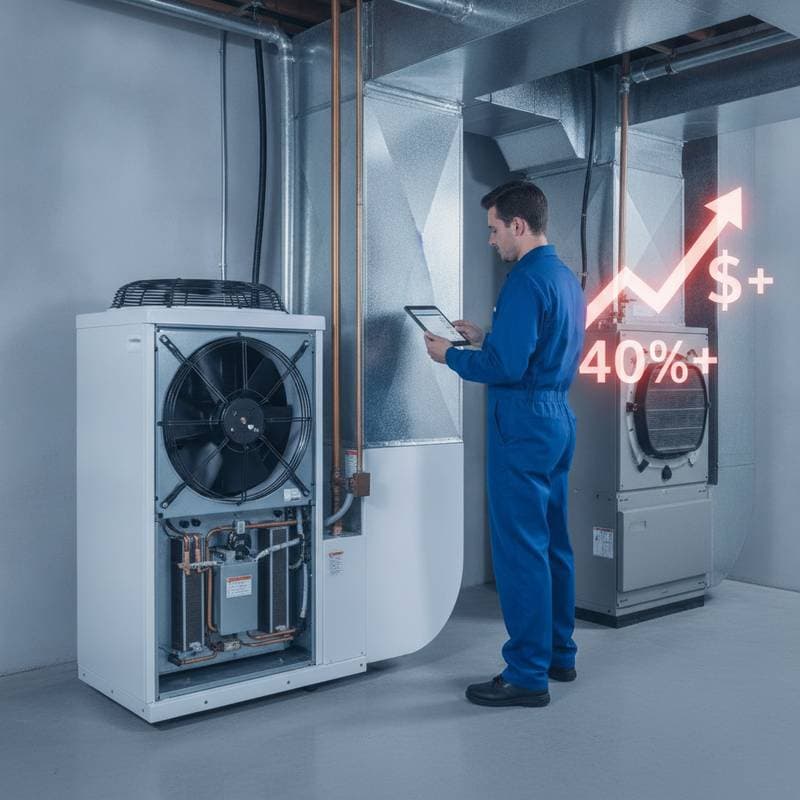
Skipping Spring HVAC Tune-Up Could Cost You 40% More
Homeowners across the country face rising material costs, higher energy rates, and tighter contractor schedules. Skipping a spring HVAC tune-up to save a few hundred dollars often leads to energy bills up to 40 percent higher. It also shortens equipment lifespan and triggers expensive mid-summer breakdowns.
Small inefficiencies accumulate quickly when an HVAC system operates without seasonal maintenance. Dust collects on coils, refrigerant levels drop, and blower motors work harder than necessary. A dirty coil alone can cut cooling efficiency by 15 percent. Combined with a clogged filter and low refrigerant, the system must work up to 40 percent harder to maintain comfort.
Deferred maintenance also raises the chance of major repairs. Compressor replacement typically costs between 1500 and 3000 dollars. Blower motor issues often run 400 to 900 dollars. Most failures begin as preventable wear that a technician can identify during a spring service.
Components Checked During a Professional Tune-Up
A proper spring HVAC tune-up involves more than a filter change. It includes a detailed inspection and optimization process. A licensed technician typically examines the following items.
- Refrigerant levels and pressure to prevent compressor damage.
- Condenser and evaporator coils for dirt that restricts airflow.
- Electrical connections for looseness or corrosion.
- Blower motor and fan belts for proper tension and lubrication.
- Thermostat calibration for accurate temperature control.
- Condensate drain to avoid water damage and mold.
- Safety controls to confirm proper shutdown during faults.
Technicians also measure airflow, clean exterior components, and replace filters. They may suggest duct cleaning or sealing if leaks appear.
Tasks Suitable for Homeowners Versus Professional Service
Homeowners can manage basic upkeep, yet these steps do not replace a full professional visit.
Homeowner Tasks
- Replace air filters every one to three months at a cost of 10 to 30 dollars each.
- Rinse debris from the outdoor condenser unit.
- Maintain at least two feet of clearance around the outdoor system.
- Check thermostat batteries.
Tasks Requiring a Professional
- Checking or handling refrigerant, which needs EPA certification.
- Testing electrical components.
- Cleaning internal evaporator coils.
- Inspecting ductwork for leaks or mold.
Never open sealed electrical panels or adjust refrigerant lines. These actions require specialized tools and safety equipment.
Timing Maintenance to Control Costs
Current supply and labor conditions make early scheduling financially wise. Contractors often increase hourly rates by 10 to 15 percent during peak season. Parts such as compressors and control boards may face delays.
Schedule the service before the first heatwave. Consider annual service agreements that cover two visits and discounted parts. Some contractors allow prepayment at current rates. Keep service records for warranty protection and future home resale, where documented maintenance can support up to 5 percent higher perceived value.
Indicators That Service Is Overdue
Watch for these signs if the last tune-up was missed. They show the system already operates under stress.
- Uneven cooling or weak airflow.
- Musty odors from vents.
- Rising energy bills with unchanged usage.
- Frequent short cycling.
- Water near the indoor unit.
- Unusual compressor or fan noise.
These symptoms often trace to clogged coils, dirty filters, or low refrigerant. Address them promptly to avoid larger failures.
Protect Long-Term System Value
An HVAC system represents one of the largest mechanical investments in a home. Regular spring maintenance prevents the hidden costs of higher utility bills, early wear, and emergency repairs. Scheduling service before summer secures lower rates, extends equipment life, and maintains efficient operation throughout the season.