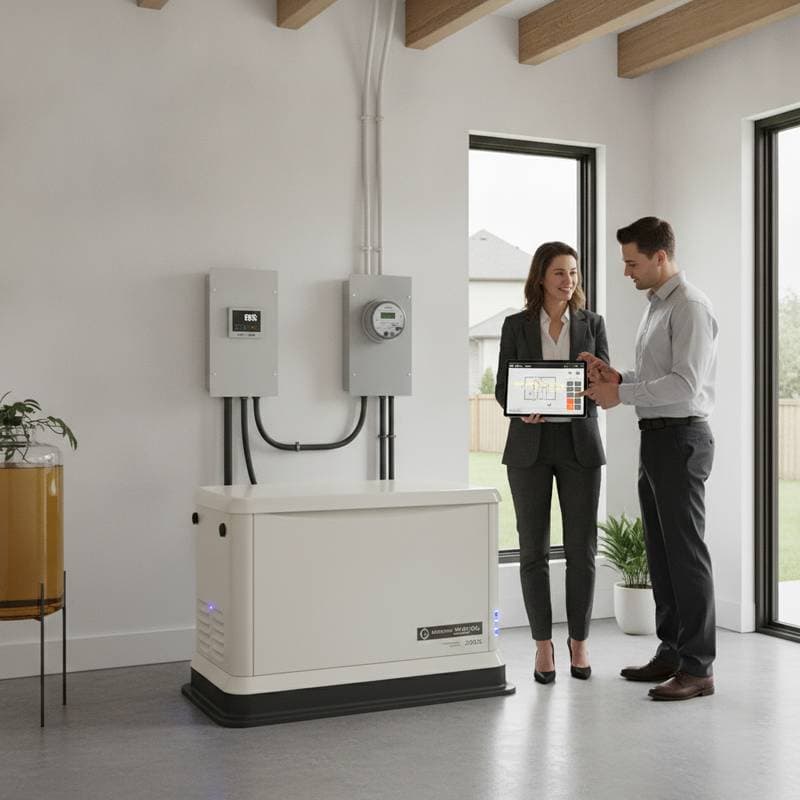
2026 Sizing and Costs for Whole-Home Backup Generators
Power outages disrupt daily routines through spoiled food, halted work, and uncomfortable temperatures. A whole-home backup generator restores essential functions automatically. Size, cost, and installation details determine whether the system delivers reliable performance without excess expense.
Understanding Whole-Home Generator Sizing
Generator capacity is measured in kilowatts. The correct rating matches the electrical load of critical circuits or the full home system. A licensed electrician performs a load calculation that costs between 150 and 300 dollars and prevents overspending on oversized equipment.
Basic capacity ranges include the following options:
- 10 to 14 kW units support lights, refrigeration, and furnace fans.
- 15 to 22 kW units handle average homes that include heating, ventilation, air conditioning, sump pumps, and well pumps.
- 25 to 38 kW units serve larger properties with multiple climate zones or elevated demand.
- Units above 40 kW address luxury estates or heavy equipment loads.
Factors That Influence Total Price
Fuel Source
Natural gas offers convenience when a supply line already exists. Propane tanks add between 1000 and 2500 dollars depending on capacity. Diesel models carry higher initial costs yet perform reliably in cold conditions.
Transfer Switch Type
Automatic transfer switches engage the generator during outages and range from 900 to 1800 dollars installed. Manual switches cost less yet require direct operation at the start of each outage.
Site Preparation
A concrete pad or leveled surface adds 300 to 800 dollars. Trenching for wiring or gas lines adds another 500 to 1200 dollars when required.
Permits and Inspections
Municipal permits for electrical and fuel connections typically cost between 150 and 500 dollars. Installers usually manage these steps, yet confirmation that fees are included in the quote remains essential.
Noise and Local Codes
Residential zones often limit generator sound output. Standard models operate between 60 and 70 decibels. Sound-attenuated enclosures add 500 to 1000 dollars when local rules require them.
Ways to Reduce Project Costs
Schedule installation during early spring or late fall when contractor schedules allow modest labor savings of 5 to 10 percent. Natural gas service, when available, lowers operating expenses by approximately 30 percent compared with propane. Larger propane tanks reduce refill frequency for homes without gas lines.
Utility rebates sometimes support systems that stabilize the grid. Combining generator work with panel upgrades or electric vehicle charger installation can lower total labor by 500 dollars or more. Proper sizing avoids unnecessary expense because each extra kilowatt adds roughly 200 to 400 dollars to the project.
Benefits for Reliability and Value
Backup power protects food inventories, prevents pipe damage, and maintains indoor comfort. Multiple annual outages can produce avoided costs that exceed 500 dollars each year through eliminated hotel stays and food replacement. Over a decade these savings offset a substantial share of installation expense.
Appraisers recognize generators as valuable upgrades in regions prone to weather-related outages. Returns typically reach 60 to 70 percent of original cost, with stronger performance in areas that experience frequent interruptions.
Steps Toward Professional Installation
List every appliance and system that requires backup power. Request a load calculation from a qualified electrician and compare the result against the capacity ranges above. Obtain detailed proposals from at least three licensed contractors to review equipment brands, warranty terms, and service agreements.
Schedule the first maintenance inspection within six months of installation. Maintain records of service visits, oil changes, and test runs to preserve warranty coverage. A correctly sized and professionally installed generator supports household operations and property value during every outage.