Understanding HVAC Filter Choices for Spring
Spring brings rising temperatures and increased system use. Homeowners face a recurring decision about how to handle air filter maintenance. Two primary paths exist. One involves signing up for recurring deliveries. The other centers on purchasing and installing filters independently.
Both approaches achieve the same core goal. They keep airflow steady, reduce strain on equipment, and support healthier indoor air. The right choice depends on household priorities around time, budget, and consistency.
How Subscription Services Operate
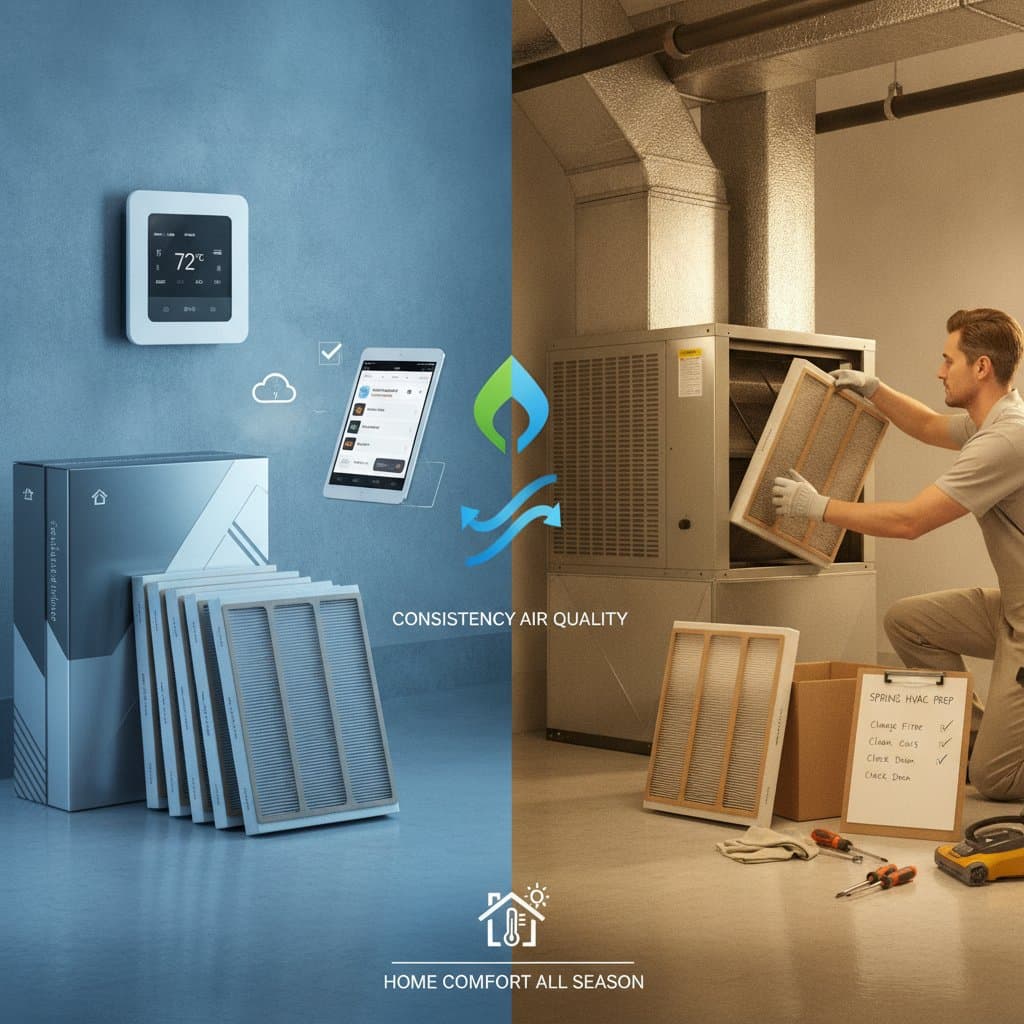
A subscription service schedules filter shipments at set intervals. Most programs ask users to select filter size, MERV rating, and delivery frequency during signup. Replacement reminders arrive by email or app notification.
Users receive the correct quantity without repeated store trips. Many services offer bundled pricing that lowers the per unit cost compared with single purchases. Some include upgraded filter options such as allergen reducing or odor controlling models.
Steps for Effective DIY Maintenance
Homeowners who prefer direct control begin by locating the filter compartment, usually behind a return vent or inside the furnace cabinet. They note the current filter dimensions printed on the frame edge.
Next they select a replacement with an appropriate MERV rating for their system and household needs. Installation requires powering down the unit, sliding out the old filter, and inserting the new one in the correct airflow direction.
A written reminder on a calendar or phone helps maintain the recommended 30 to 90 day replacement cycle. Bulk purchases from warehouse retailers often reduce individual filter expense.
Comparing Ongoing Costs
Subscription plans typically range from 12 to 25 dollars per filter including shipping. Annual totals depend on filter size and change frequency. DIY buyers who purchase in multipacks can spend 8 to 18 dollars per filter plus any travel costs.
Over three years the subscription route may total slightly more yet removes the risk of missed changes. DIY savings grow when filters last longer or when homeowners already keep spares on hand.
Factors That Influence the Decision
Households with multiple occupants, pets, or allergy concerns benefit from higher MERV filters delivered on schedule. Busy professionals who value predictable timing often choose subscriptions to avoid last minute store runs.
Those who enjoy hands on tasks or already track other home maintenance items may prefer the flexibility of DIY. Either method succeeds when changes occur at proper intervals.
Protecting Equipment and Air Quality
Timely filter replacement prevents dust buildup on coils and motors. Clean filters allow the blower to move air efficiently, which lowers energy consumption during peak spring and summer use.
Improved airflow also reduces the circulation of airborne particles. Residents notice fewer odors and less dust settling on surfaces when filters remain fresh.
Planning Filter Care for the Season Ahead
Review current filter size and condition before temperatures climb. Decide whether automated deliveries or manual tracking better matches household routines. Set the first replacement date and record the next several intervals.
Consistent attention to this single task supports reliable system performance and steady indoor comfort throughout the warmer months.