Water Damage Sensors That Qualify for Insurance Discounts
Water damage creates expensive problems for homeowners each year. Small devices called water damage sensors detect leaks early and send alerts before issues grow. Many insurers now offer premium discounts for homes with these systems installed.
Why Water Damage Prevention Matters
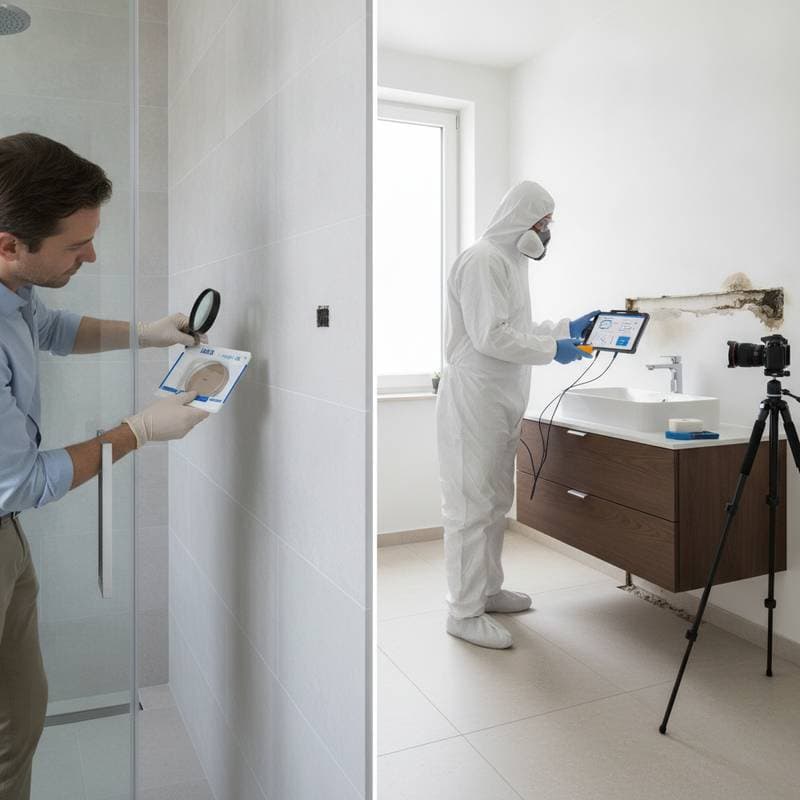
Water damage arises from everyday sources such as dripping pipes, loose hoses, and cracked seals. These problems lead to weakened structures, ruined materials, and mold growth that requires professional removal. Early detection prevents both physical damage and large repair bills.
Insurance providers recognize the reduced claim risk when sensors are present. They respond by offering discounts to homeowners who install approved devices and maintain them properly.
Types of Water Damage Sensors
Three main categories address different needs.
- Spot leak sensors sit on floors and detect standing water at specific points such as under sinks.
- Cable sensors wrap around appliances or pipes and sense moisture along their full length.
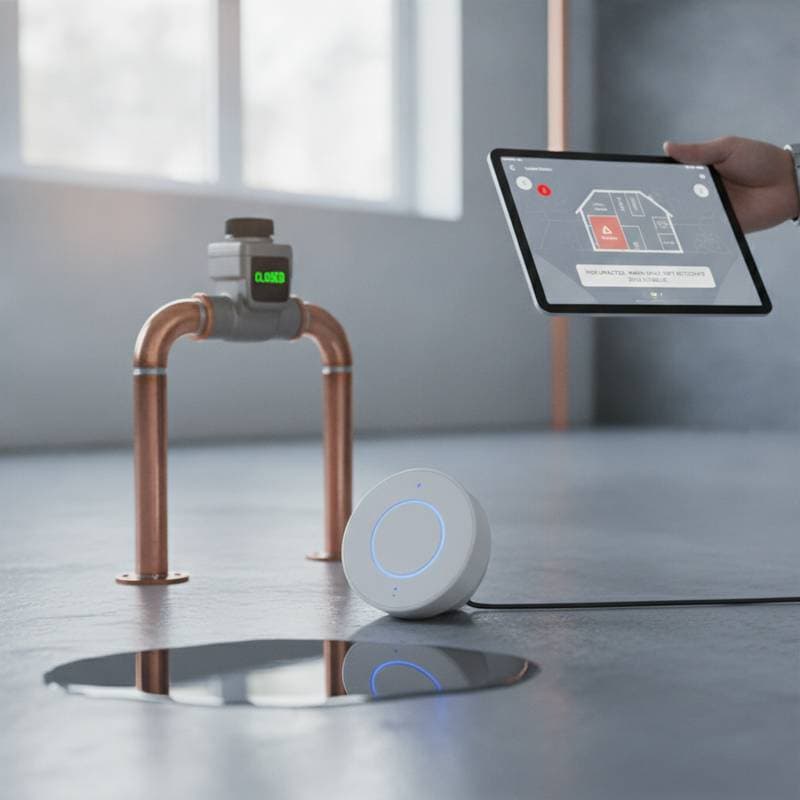
- Whole-home systems monitor flow rates through main lines and can shut off water automatically.
Each type connects to smartphone apps for remote alerts in most models.
Recommended Installation Locations
Place sensors in these high-risk areas for best results.
- Under kitchen and bathroom sinks
- Beside toilets and washing machines
- Near water heaters and dishwashers
- In basements and crawl spaces
Position devices on flat, hard surfaces away from normal water sources such as shower drains.
How the Devices Operate
Sensors use metal probes that complete a circuit when moisture appears. Wi-Fi models transmit alerts to phones even when owners are away. Advanced units track temperature and flow to warn of frozen pipes.
Systems with automatic valves stop water supply the moment a leak registers. This function proves especially useful for vacation properties.
Steps to Secure Insurance Discounts
Homeowners must follow specific actions to receive reductions.
- Contact the insurer to identify approved sensor brands and models.
- Submit proof of purchase and installation through receipts or photos.
- Register the device with the insurer if required.
- Test the system regularly and replace batteries on schedule.
Discount amounts vary by provider and policy but often offset sensor costs within one or two years.
Installation Choices
Basic spot sensors require only placement on the floor and app setup. Owners complete this work in minutes with no special tools.
Whole-home systems demand a licensed plumber to connect monitoring units to supply lines. Professional installation adds cost but delivers continuous protection and higher discount potential.
Budget Planning and Maintenance
Entry-level sensors start at low prices and protect single locations effectively. Owners can expand coverage later by adding units to a central hub.
Monthly testing confirms battery life and app connectivity. Regular checks keep the system active and maintain eligibility for ongoing discounts.
Additional Prevention Measures
Combine sensors with routine inspections for maximum protection. Replace washing machine hoses every three to five years. Clean gutters to direct water away from foundations. Insulate exposed pipes in unheated spaces.
These habits reduce leak likelihood even before sensors activate.
When Professional Help Is Required
Persistent moisture, spreading stains, or mold growth require a plumber or restoration specialist. Attempting major pipe repairs without experience can increase damage.
Long-Term Benefits
Sensors provide early warnings that limit repair expenses and support insurance savings. Consistent use builds reliable home protection over time.