Understanding the Shift to R-454B Refrigerant
The HVAC industry moves toward R-454B as the primary replacement for R-410A systems. This change stems from regulations that limit the use of higher global warming potential refrigerants. Systems manufactured after 2025 must align with the new standard in most regions. Homeowners benefit from early awareness because existing equipment may require modifications or full replacement to maintain performance and compliance.
R-454B offers a lower environmental impact while delivering comparable cooling capacity. Manufacturers design new units to operate efficiently with this refrigerant. Older systems charged with R-410A cannot simply accept the substitute without component adjustments. Professional assessment determines whether current equipment remains viable or needs upgrades.
Timing Preparations Ahead of Peak Cooling Season
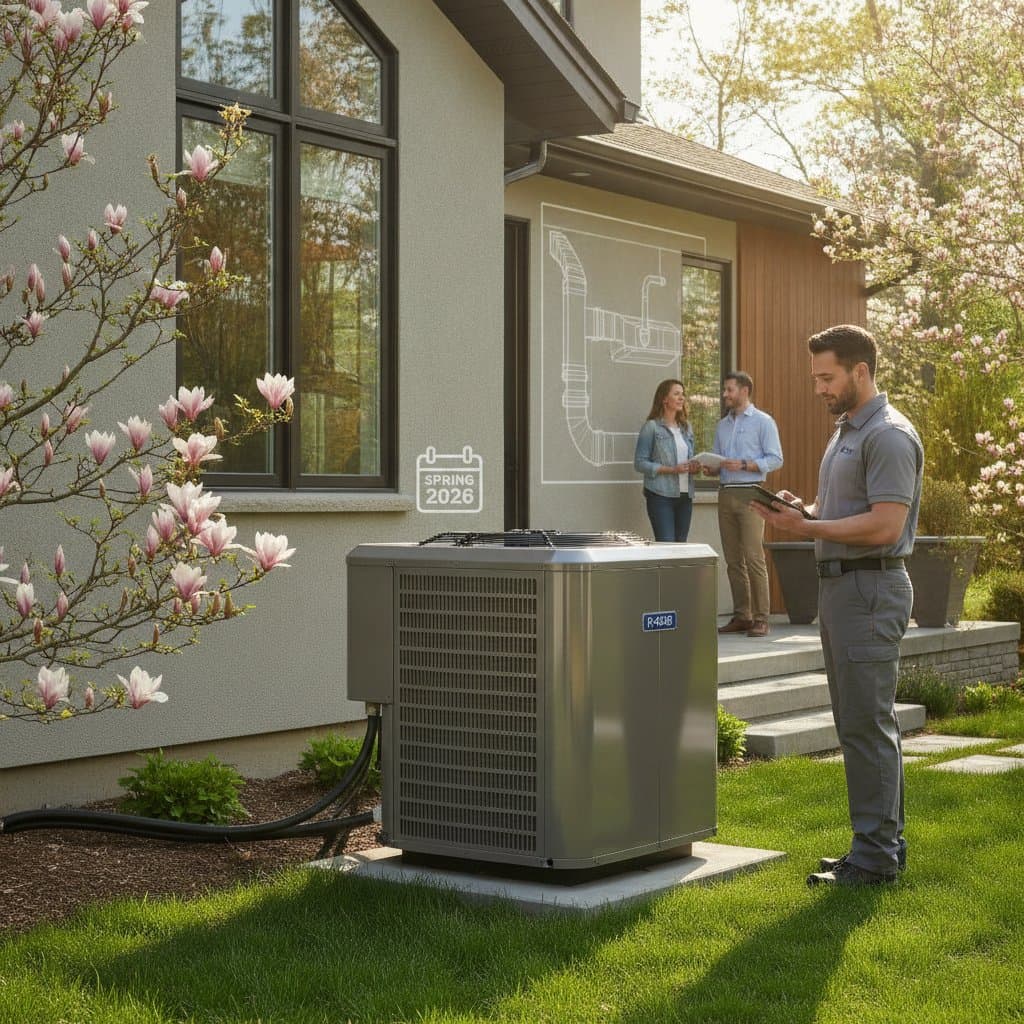
Spring provides an ideal window to inspect and plan HVAC work before summer demand rises. Scheduling evaluations now prevents emergency repairs during high temperatures. Technicians can complete assessments when parts and labor remain readily available. Early planning also allows homeowners to compare contractor quotes without time pressure.
Systems that operate with outdated refrigerant face increasing service limitations as supplies tighten. Addressing these issues before the cooling season reduces the risk of unexpected downtime. A proactive approach supports consistent indoor comfort throughout warmer months.
Practical Steps for System Evaluation
- Schedule a comprehensive inspection with a certified technician to identify refrigerant type and system condition.
- Request documentation on compatibility with R-454B and any required component changes.
- Compare energy efficiency ratings between current equipment and newer models designed for the updated refrigerant.
- Obtain multiple written estimates that detail labor, parts, and potential incentives.
- Review local building codes to confirm permit requirements for refrigerant transitions.
These actions create a clear picture of necessary work and associated timelines. Technicians can also test for leaks and measure overall system performance during the visit.
Options for Upgrades and Replacements
Homeowners may choose between retrofitting existing equipment where feasible or installing new systems optimized for R-454B. Retrofitting often involves coil replacements and control adjustments. Full replacement typically delivers higher efficiency and longer warranty coverage. A qualified contractor explains the trade-offs based on equipment age and home requirements.
New units frequently incorporate advanced features such as variable-speed compressors and improved heat exchangers. These enhancements reduce energy consumption compared with older models. Selection should account for home size, insulation levels, and local climate conditions.
Managing Costs and Financial Planning
Budgeting for refrigerant transitions involves both immediate expenses and long-term savings. Replacement costs vary by system size and complexity. Many utility programs offer rebates for high-efficiency installations that meet current standards. Homeowners who plan ahead can take advantage of seasonal promotions from contractors.
Financing options through manufacturers or lenders spread payments over several years. Calculating payback periods based on reduced energy bills helps justify the investment. Regular maintenance after installation preserves efficiency and extends equipment life.
Building a Resilient Cooling Setup
A well-prepared HVAC system supports reliable performance and regulatory compliance for years ahead. Addressing the refrigerant transition during spring maintenance cycles minimizes disruption. Homeowners who complete evaluations and necessary upgrades enjoy lower operating costs and reduced environmental impact. Consistent attention to system health protects indoor comfort across changing seasons.