Multigenerational Layouts Cut Costs 35 Percent in 2026
Multigenerational Layout Conversions: 2026 ROI Potential
Multigenerational layout conversions redefine home value in 2026. Rising housing costs make adaptable designs a practical solution for cost savings and strong returns. Thoughtful planning turns shared living into both a financial and lifestyle advantage.
Homeowners now examine shared living models more closely. Construction expenses stay elevated while housing supply remains limited. A multigenerational layout allows a property to deliver greater daily function and stronger resale potential.
Why Multigenerational Conversions Make Sense Now
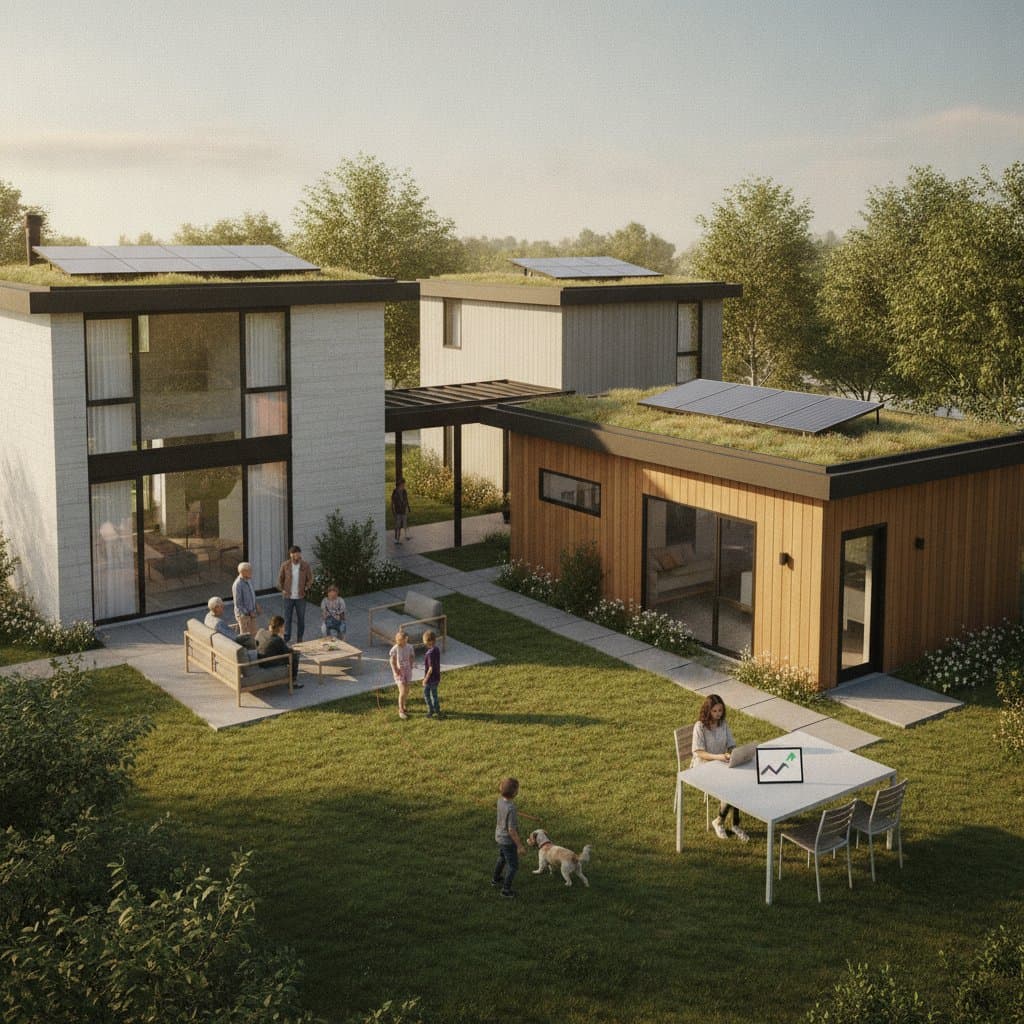
Housing affordability pressures continue without relief. Families combine resources to purchase or adapt properties that serve multiple generations. A well-planned conversion reduces combined living expenses by up to 35 percent while increasing property value.
These layouts attract a wider buyer pool from an investment perspective. Features such as a separate suite, dual kitchenettes, or flexible access points draw downsizers, investors, and families. Buyers recognize the value of a home that adapts across life stages.
Property value often rises beyond the addition cost when a separate living wing is added. The increase stems from both added square footage and overall versatility.
Smart Decision Framework: DIY or Hire Out
Homeowners benefit from knowing which tasks save money when handled personally and which create setbacks.
DIY-Friendly Tasks:
- Painting, flooring installation, and trim work
- Landscaping or exterior cleanup
- Interior design touches such as lighting fixtures and furniture layout
Professional-Only Work:
- Structural framing or foundation changes
- Plumbing and electrical installations
- HVAC zoning or ductwork modifications
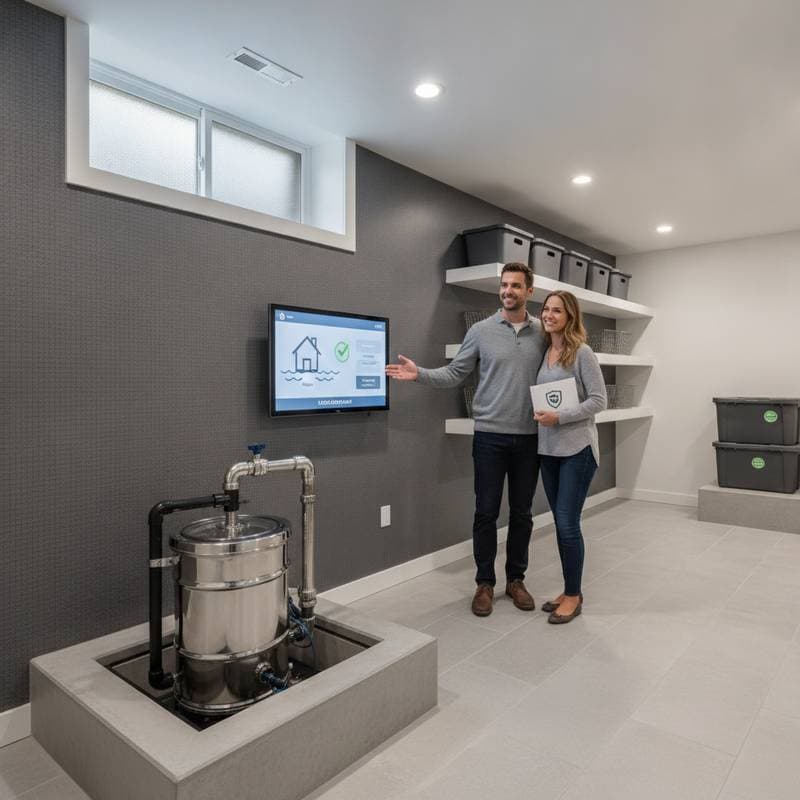
A hybrid approach produces the best results. Owners manage non-technical finishes while licensed trades handle complex systems. When converting a basement, complete the demolition and painting personally but engage professionals for waterproofing and ventilation.
Planning for Family Dynamics
A multigenerational layout addresses relationships as much as space. The design must balance togetherness with independence. Proximity without boundaries often creates tension.
Effective planning follows these principles:
- Separate entrances when possible. A private entry preserves dignity. Even a side door or covered walkway reduces friction.
- Soundproofing justifies the expense. Extra insulation or resilient channels between floors improve quiet for all residents.
- Dual climate zones prevent conflicts. Independent thermostats accommodate different temperature preferences.
- Shared yet flexible common areas maintain connection. Spacious kitchens or laundries with islands or half walls avoid crowding.
- Accessible design future-proofs the home. Wider doorways, lever handles, and curbless showers reduce later retrofits.
ROI Potential: What the Numbers Indicate
Multigenerational conversions deliver strong returns in residential remodeling. Homeowners recover 65 to 95 percent of the investment at resale depending on quality and location.
Returns improve when the space adapts between uses. An in-law suite that also functions as a rental unit may generate 1200 to 2500 dollars monthly in select markets. Over ten years that income can offset construction costs.
Energy efficiency upgrades completed during renovation increase payback. Added insulation, low-flow fixtures, or LED lighting reduces utility bills by 10 to 20 percent each year.
Safety and Code Considerations
Independent living zones trigger specific code requirements.
- Egress windows are required in bedrooms and basement suites for fire safety.
- GFCI outlets must be installed in kitchens and bathrooms.
- Smoke and carbon monoxide detectors require interconnection in each living zone.
- Fire separation may demand rated walls between units in some municipalities.
Early consultation with the local building department prevents inspection delays and protects property value.
Working with the Right Professionals
This project requires a collaborative team. Begin with an architect or designer experienced in aging-in-place and accessibility standards. Next engage a licensed general contractor to coordinate trades and permits.
Request references from clients with similar conversions. Review finished project photos. Confirm insurance and licenses. Reject contractors who minimize permit needs or prefer verbal agreements.
Demand itemized costs when reviewing bids. Itemization simplifies proposal comparison and budget tracking.
Long-Term Benefits
Multigenerational layouts provide flexibility beyond resale value. The space adapts as family needs evolve. A suite that begins as parent quarters can later serve as a home office, rental, or guest space.
All residents gain peace of mind. Parents remain nearby yet independent. Adult children accumulate savings while retaining privacy. Homeowners see continued returns in both function and security.
Execution Steps
Define living arrangements and must-have features such as separate entrances or kitchens. Obtain professional drawings and collect at least three bids from licensed contractors.
Budget with a 10 to 15 percent contingency for unexpected issues. Order materials early and maintain regular communication with the builder.
Design for adaptability so the layout remains suitable ten years ahead. Thoughtful planning and investment strengthen family connections while building lasting financial value.