Key Takeaways
- A spring maintenance checklist protects homes from costly repairs amid rising prices.
- Energy efficiency, preventive fixes, and material reuse keep expenses in check.
- DIY projects reduce labor costs and support long-term property value.
What Makes a Home Maintenance Plan Inflation-Proof
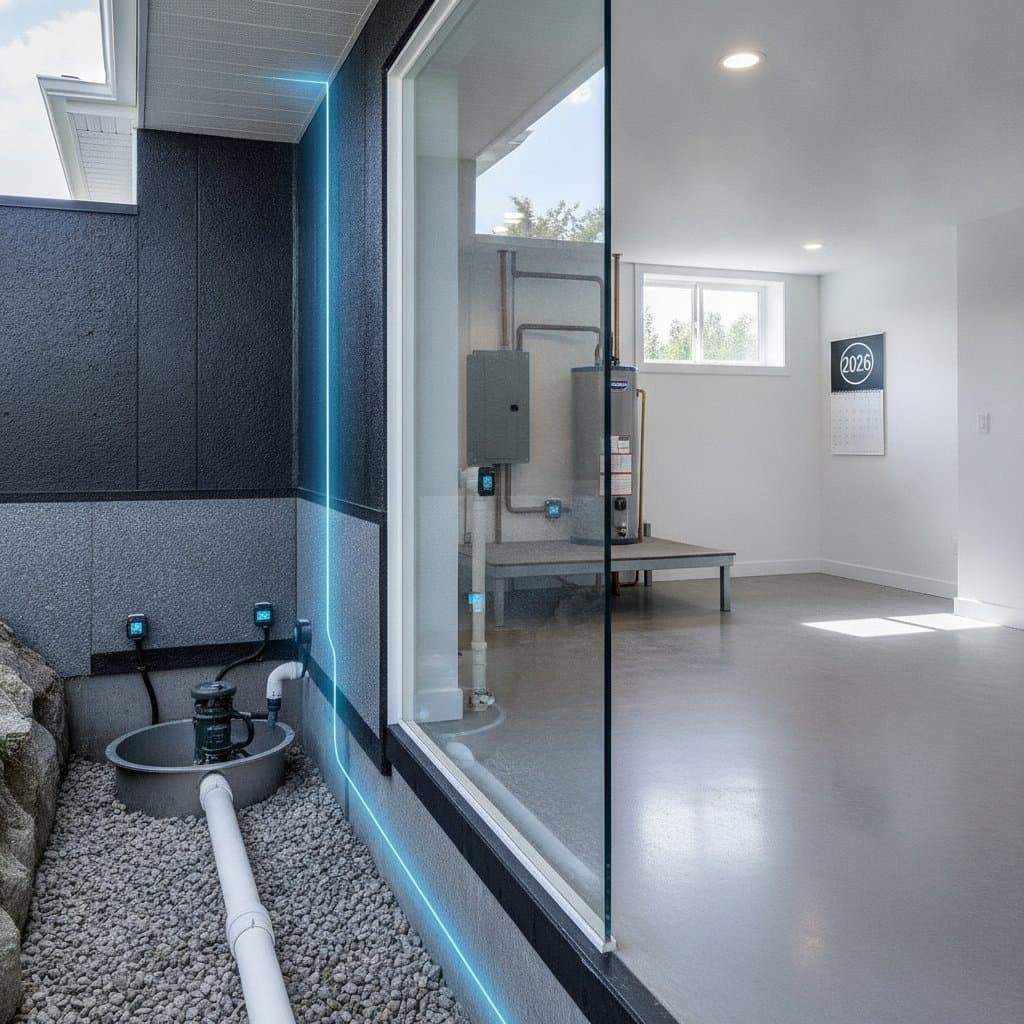
Inflation-proofing a maintenance plan requires projects that cut ongoing costs and limit future repair bills. The focus lies on investing time now to avoid higher prices later for replacements or hired help. Spring offers suitable conditions for outdoor work and indoor refreshes. Small preventive tasks extend the life of home systems without added spending.
Core Principles
- Target repairs that stop water or air leaks.
- Select reusable or repairable materials.
- Schedule energy-efficient upgrades.
- Rely on DIY work to sidestep rising contractor fees.
Where to Begin Spring DIY Maintenance
Start with the home exterior. Roofs, gutters, siding, and windows face the most weather exposure. Addressing these areas now prevents larger expenses later.
Begin with inspections that identify moisture or heat-loss problems. Both issues lead to expensive repairs when left unchecked.
Roof and Gutter Check
Clean gutters and inspect downspouts for debris that traps moisture. Examine shingles for cracks and flashing for gaps. A small patch now costs far less than a full replacement later.
Exterior Walls and Caulking
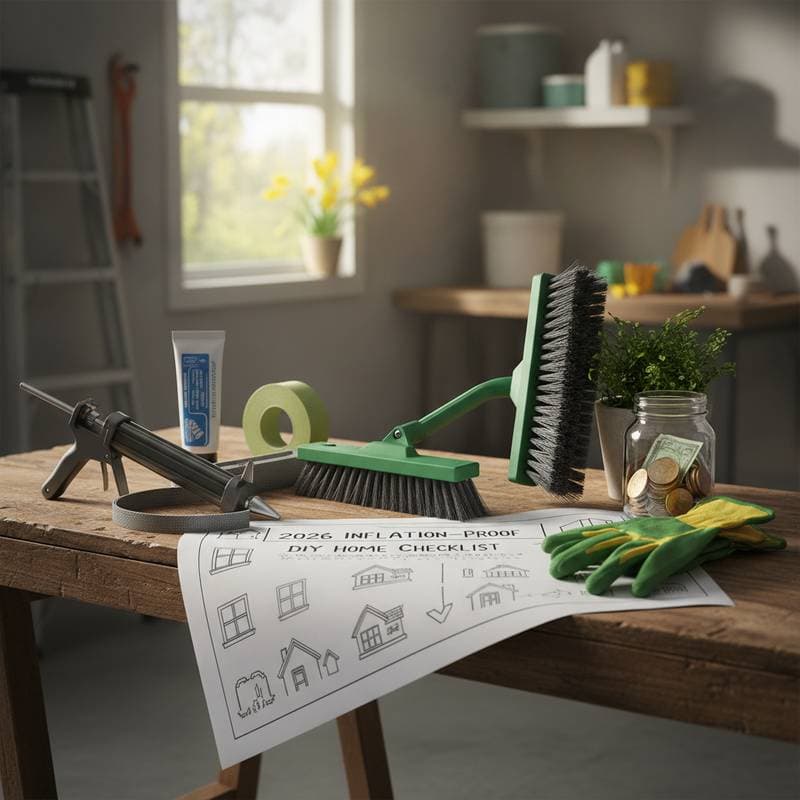
Walk the perimeter and check window frames along with siding seams. Reseal any spots where air leaks or caulk has cracked. One tube of quality sealant prevents hundreds in energy loss.
Driveway and Walkway Care
Patch cracks in concrete or asphalt to block water infiltration. Freeze-thaw cycles worsen these gaps over time. A basic patching compound extends surface life by several years.
How to Keep Energy Costs Down
Energy efficiency defends against inflation by lowering monthly utility bills. Focus on insulation, lighting, and appliance care to stabilize expenses.
Energy-Saving Upgrades
- Replace air filters every few months to maintain HVAC efficiency.
- Apply weatherstripping to doors and windows to reduce drafts.
- Install a smart thermostat that programs temperatures to daily patterns.
- Swap old bulbs for LED lighting that lasts longer and uses less power.
These steps can reduce energy bills by up to 15 percent in a season.
Indoor Maintenance Tasks That Pay Off
Indoor systems often fail without warning. Preventive care stabilizes plumbing and appliances while improving air quality.
Plumbing Tune-Up
Inspect under sinks and behind toilets for moisture. Tighten fittings and replace worn washers. Add food coloring to the toilet tank to test for leaks that require a new flapper.
Appliance Efficiency
Vacuum refrigerator coils and clean dryer vents. Check washing machine hoses for cracks. These tasks lower fire risk and extend appliance life.
Safety Systems
Test smoke and carbon monoxide detectors. Replace batteries and verify expiration dates on fire extinguishers.
Outdoor Projects With Strong Returns
Outdoor spaces show winter wear early. Early attention prevents structural damage and maintains curb appeal.
Deck and Patio Refresh
Check for loose boards and peeling finishes. Sand lightly and apply a weather-resistant coating. Reuse leftover stain or sealant from prior seasons.
Fence and Gate Repair
Tighten hinges and replace rusted screws. Protect exposed metal from moisture with fresh paint.
Lawn and Garden Prep
Aerate soil and sharpen mower blades. Compost yard waste to create free fertilizer and reduce purchases of bagged products.
How to Prioritize Tasks
Rank projects by cost savings and urgency. Begin with prevention, then move to energy and comfort improvements.
| Priority Level | Task Type | Cost Range | Benefit Duration |
|---|---|---|---|
| High | Roof, gutters, sealing | Low to moderate | Long-term |
| Medium | Appliances, plumbing | Low | Seasonal to yearly |
| Medium | Deck, lawn, exterior paint | Moderate | Multi-year |
| Low | Cosmetic updates | Variable | Style-based |
Mistakes to Avoid
Homeowners often miss small issues or spend on unneeded upgrades. Both approaches strain budgets during inflation.
Avoid these pitfalls:
- Ignoring roof leaks or foundation cracks that worsen out of sight.
- Buying new tools for each project instead of borrowing or renting.
- Skipping product research and paying premium prices.
- Attempting complex electrical or structural work without proper skills.
DIY maintenance requires balance. Know when to handle tasks personally and when to hire professionals for safety or code reasons.
Frequently Asked Questions
How often should decks or patios be resealed?
Every few seasons works for most surfaces. Shaded or high-traffic areas may need earlier touch-ups. Inspect each spring to decide.
Does gutter cleaning prevent major problems?
Yes. Clogged gutters cause roof leaks and foundation erosion. Quick cleaning avoids extensive water damage.
Do smart thermostats deliver savings?
Most users notice lower bills within the first season, especially in homes with high heating or cooling costs.
Is DIY caulking effective?
Proper application on clean, dry surfaces produces results comparable to professional work.
What lowers spring energy bills fastest?
Start with air leaks. Sealing gaps and switching to efficient lighting creates immediate savings.
Planning Maintenance Around Your Budget
Select projects that match available time and funds. Consistent small actions protect home value and reduce long-term expenses.