
New Flood Rules Will Cost You $8K–$24K by 2026
Insurance Requirements

New Flood Rules Will Cost You $8K–$24K by 2026

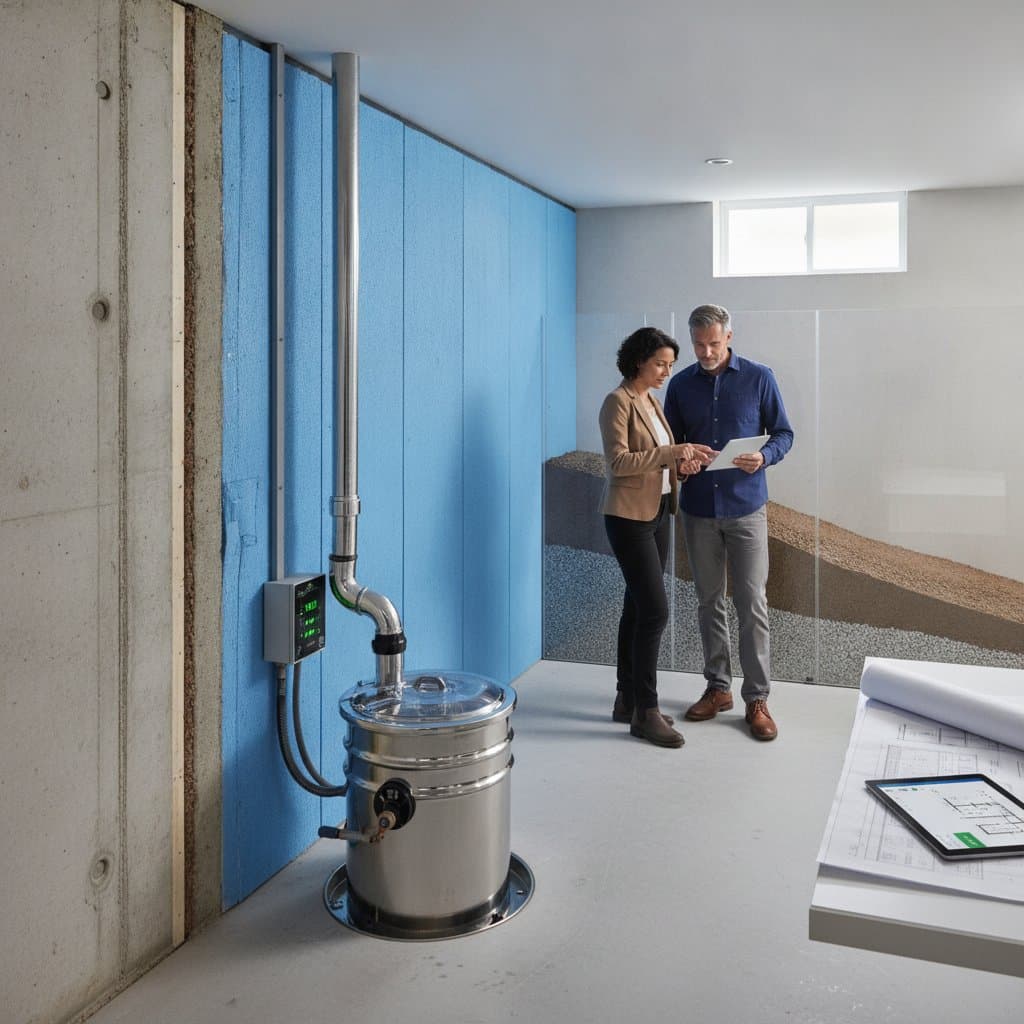
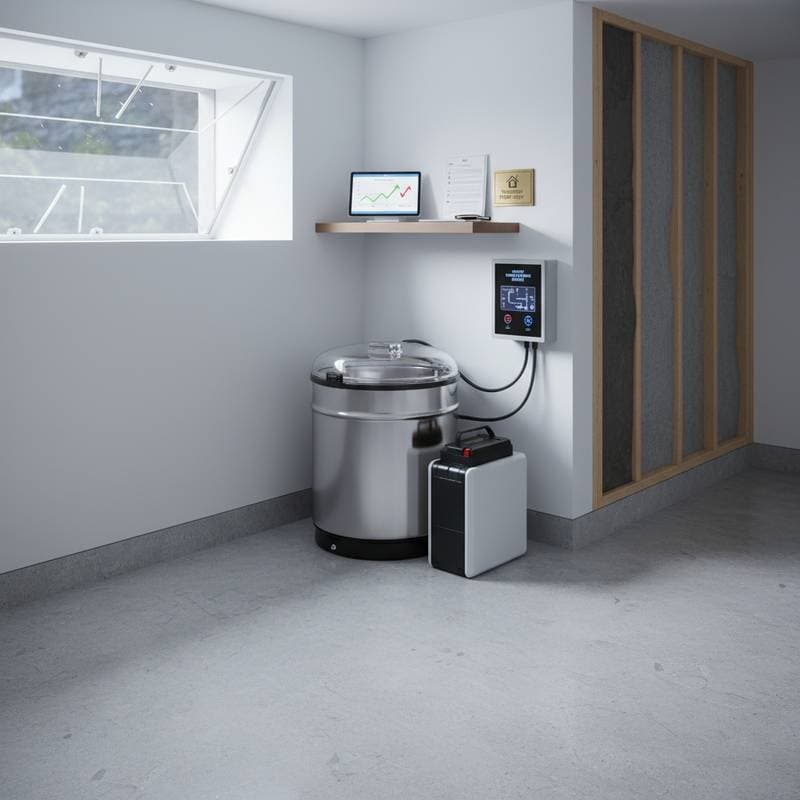
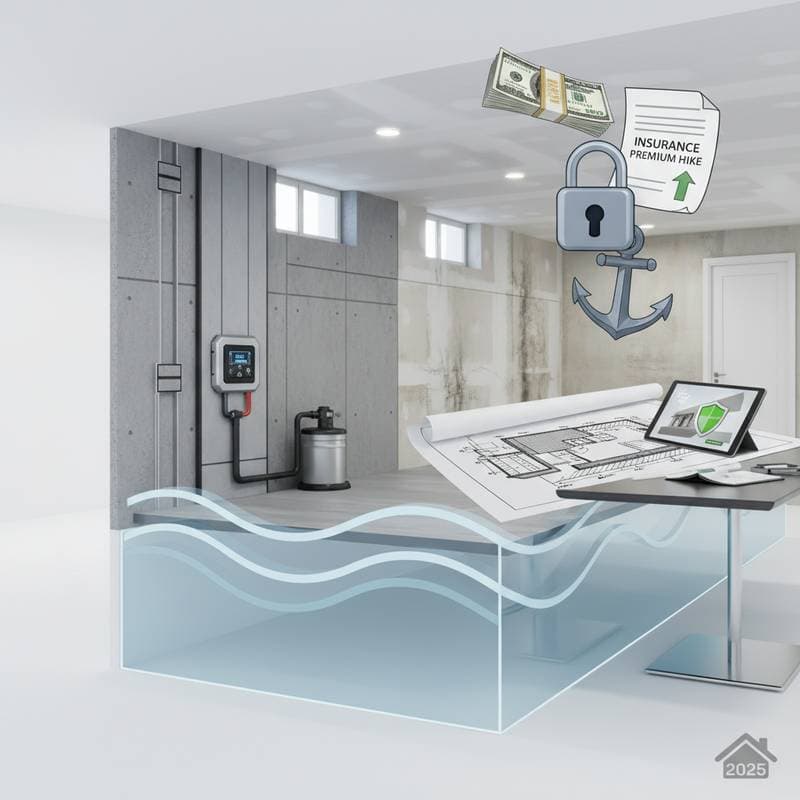
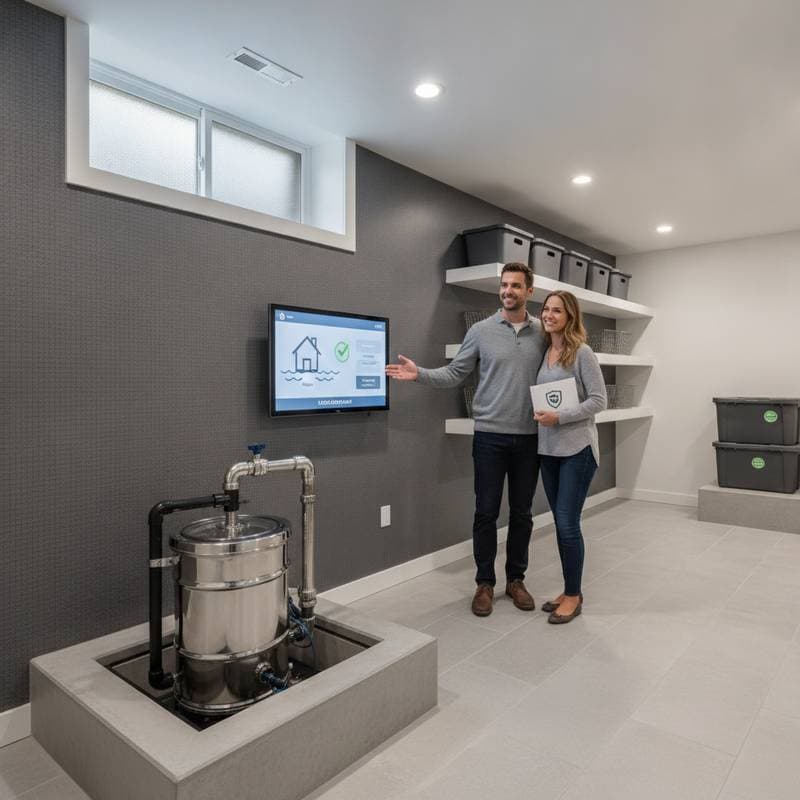
Starting in 2026, homeowners must meet new insurance rules that require flood-proof basements. These changes aim to reduce costly claims and protect property values. Learn what qualifies as flood proof, how much upgrades cost, which improvements insurers require, and why acting now can save thousands in future repairs and insurance issues.

By Stacy CadriJuly 10, 2026
Read Article

More articles tagged #Insurance Requirements

Explore our collection of insurance requirements related content

New Insurance Rules Require Documented Flood Systems

New Insurance Rules Require Documented Flood Systems

New 2026 insurance rules require documented flood protection performance. Homeowners who supply verified pump capacity, drainage data, and maintenance records gain eligibility for discounts while lowering actual flood risk.

Charlie McCannJun 26
Why Flood Vents Now Affect Your Insurance Premium

Why Flood Vents Now Affect Your Insurance Premium

FEMA 2026 floodplain rules will make certified flood vents essential for compliance, safety, and lower insurance premiums. Installing them now can prevent costly structural damage, avoid inspection penalties, and unlock discounts up to 25 percent. Learn how proper vent selection, timing, and professional installation protect your home value and future coverage.

Cody GautsonJun 21

New Flood Rules Require Basement Waterproofing Upgrades

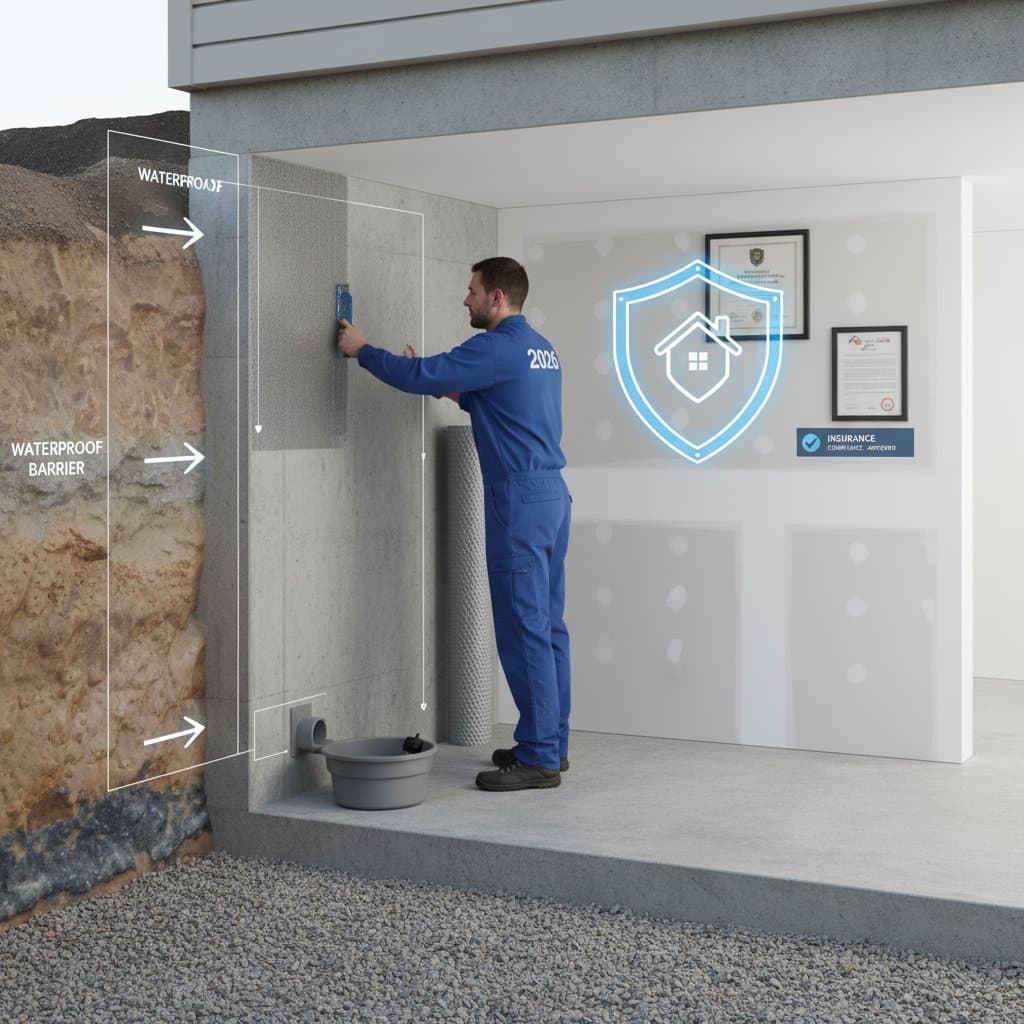
The 2026 flood-proofing regulations introduce stricter standards for basements, emphasizing comprehensive waterproofing through drainage, sump pumps, and monitoring systems. Homeowners benefit from documenting installations, selecting durable materials, and performing routine upkeep. Compliance enhances protection against damage, increases property worth, and ensures reliable insurance support.

5 min read
By Kelly Alyse

2026 Basement Mandate: Compliance or Coverage Loss

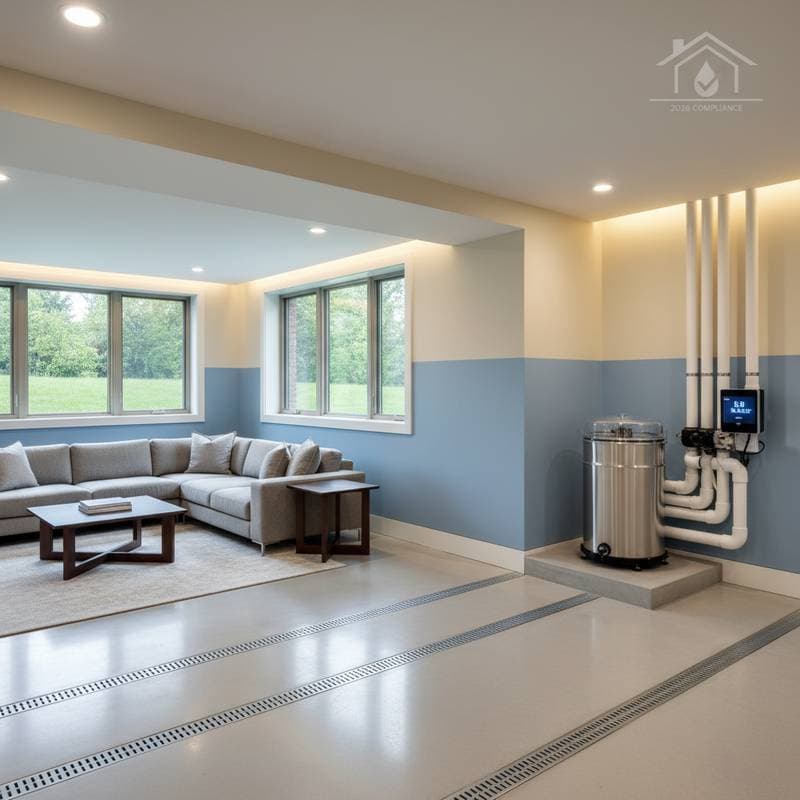
The 2026 basement flood-proofing mandate requires homeowners in flood-prone areas to implement robust waterproofing measures. Upgrades such as advanced drainage systems, sealed foundations, and reliable sump pumps not only ensure regulatory compliance but also elevate property value and create secure, usable living spaces. This guide explores how these changes turn vulnerable basements into resilient, efficient home extensions.

4 min read
By JoAnn Souza

New Flood Rules Could Raise Your Premiums 50%

Upcoming 2025 regulations mandate certified flood-proofing for basements in vulnerable zones, directly affecting insurance rates and claim options. Early adoption of compliant systems lowers premiums, elevates market value, and averts expensive repairs. Explore qualifying installations, expense estimates, and essential paperwork to secure your home effectively.

4 min read
By Cody Gautson

Wildfire Insurance and Home Hardening Requirements Explained

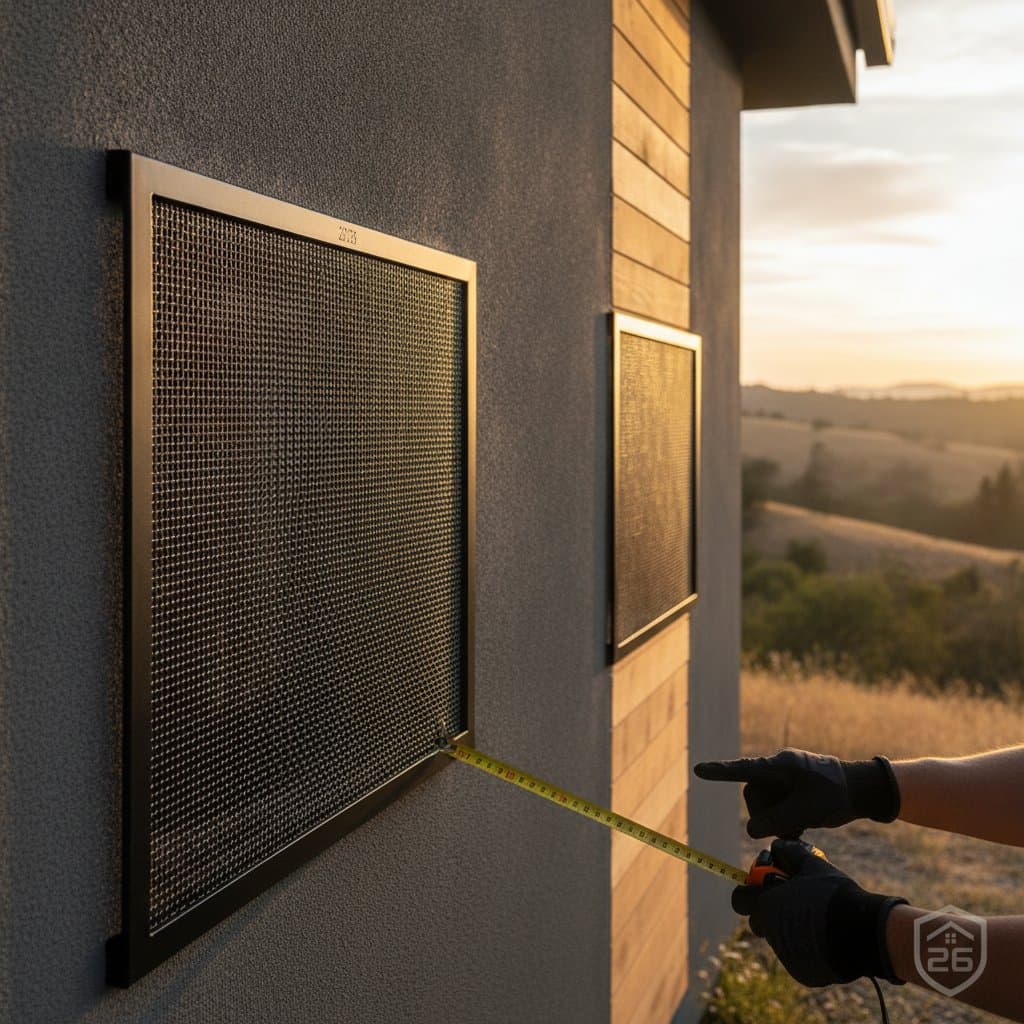
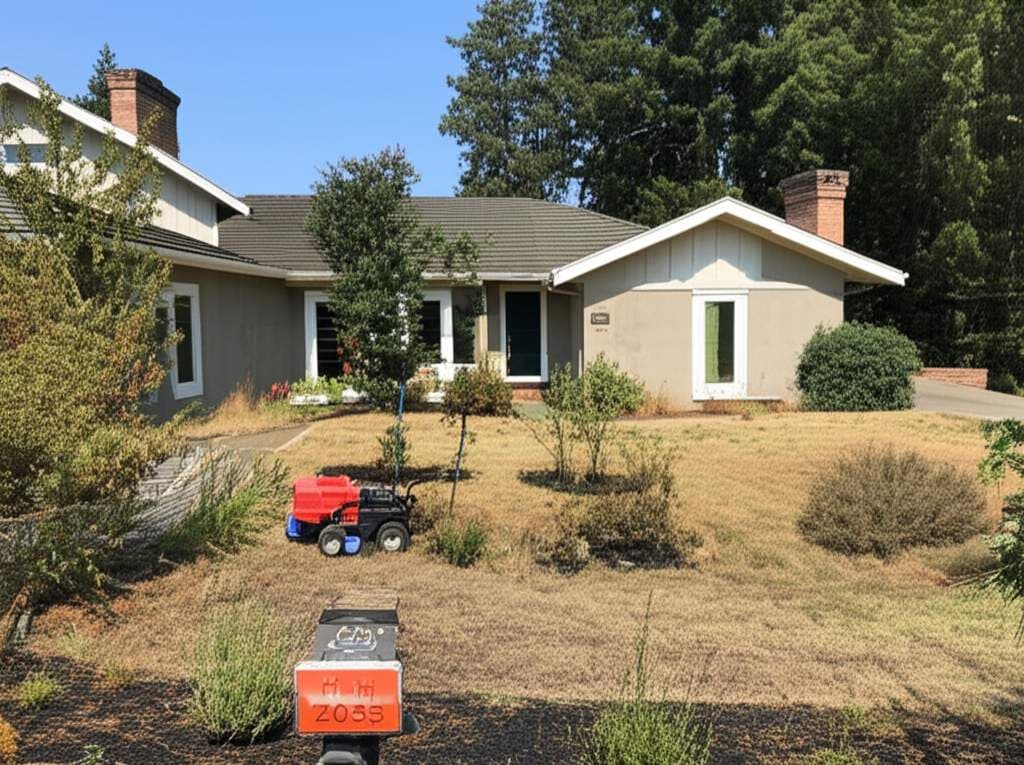
Wildfire insurance now demands proactive home hardening—think fire-resistant roofing, ember-proof vents, and defensible space. Upgrades cost $8,000–$35,000 but boost safety, insurance eligibility, and property value. DIY covers vegetation management, while structural changes require professionals. Smart timing, bundling, and incentives reduce costs. Protect coverage, lower premiums, and safeguard your investment.

5 min read
By Cody Gautson