Hail Damage Overlooked in Spring Roof Inspections
Spring brings milder weather that prompts many homeowners to examine their roofs following winter's toll. However, hail damage from recent storms often escapes detection in these assessments. Seemingly minor dents or granule displacement can evolve into leaks, compromised insulation, and significant repair expenses. Recognizing key indicators and knowing when to seek expert help preserves your roof's durability and shields your residence from unforeseen issues.
The Importance of Addressing Concealed Hail Damage
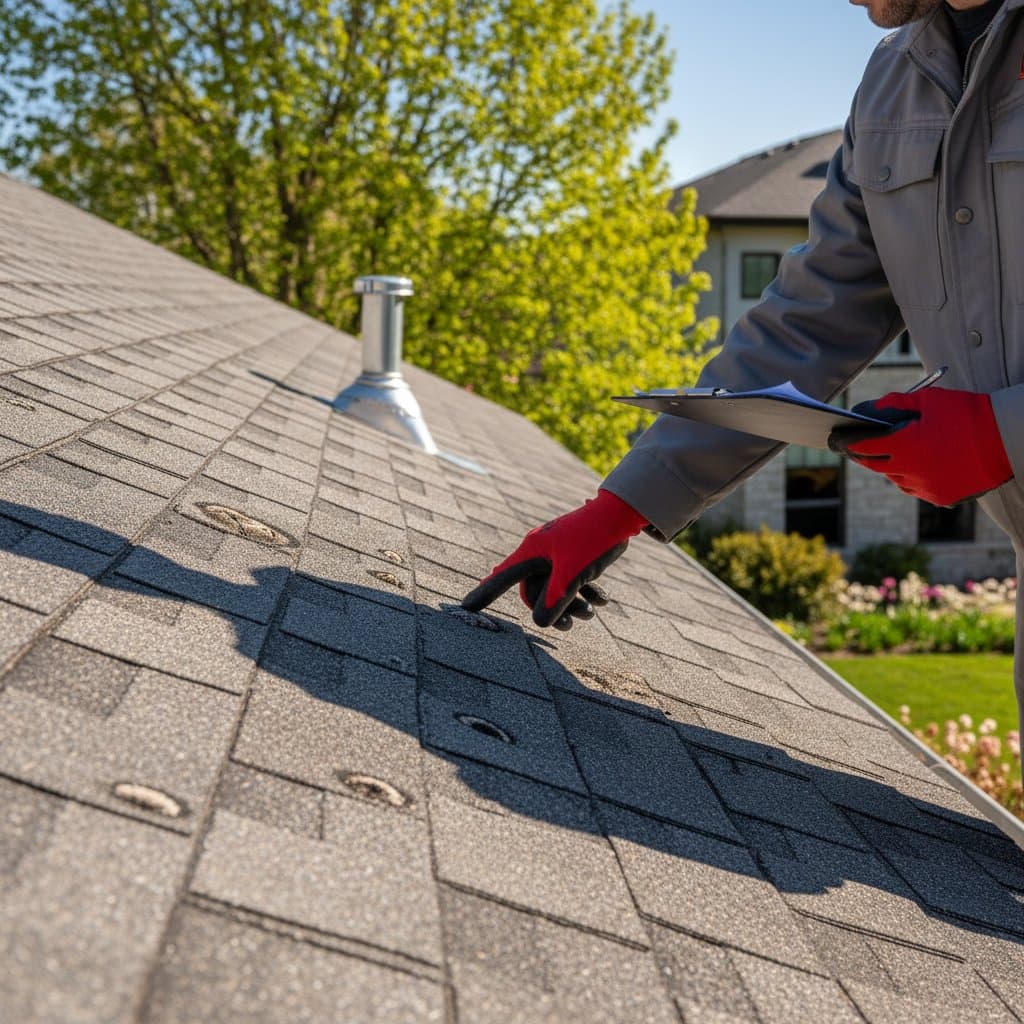
Hail strikes do not always produce visible evidence. Damage may develop internally, compromising shingles or flashing and allowing water infiltration over time. These subtle problems intensify with subsequent rainfall or thermal expansion in summer months. A roof that seems intact during an initial review could manifest leaks well into the season due to early spring hail events.
Minor impacts carry broader consequences, such as invalidating manufacturer warranties or diminishing the roof's ability to withstand ultraviolet exposure and fluctuating temperatures. Insurance providers generally demand prompt evidence for hail-related claims, making delayed inspections challenging for establishing causation over typical deterioration. Addressing these concerns early maintains structural integrity and financial protection.
Elements Affecting Hail Damage Extent
Hailstorms vary widely in their destructive potential. Multiple variables dictate the degree of impact on your roofing system.
- Hailstone dimensions and density: Stones exceeding one inch in diameter or with high ice density create profound indentations and fractures.
- Roof maturity: Aging materials lose flexibility, rendering them prone to shattering upon impact.
- Pitch and exposure: Low-slope surfaces or those oriented toward prevailing winds endure greater force from falling hail.
- Construction materials: Steel or aluminum roofs demonstrate superior resilience compared to asphalt composites or timber shakes.
- Atmospheric conditions: Gusts above 50 miles per hour amplify collision velocity and drive hail beneath shingle edges.
Evaluating these aspects enables you to prioritize professional evaluations after severe weather events. For instance, if your roof exceeds 15 years in age and faces a moderate storm, immediate scrutiny becomes essential to prevent escalation.
Conducting DIY Versus Professional Roof Assessments
Homeowners can initiate evaluations with ground-level observations or from a secure ladder position, yet comprehensive hail damage analysis demands specialized expertise. Experts employ advanced instruments to reveal subsurface bruising, fractured underlayments, and concealed moisture accumulation invisible to untrained observers.
Essential DIY Inspection Steps
- Examine gutters, ridge vents, and metal flashing for indentations or accumulated granules.
- Scan for displaced, uplifted, or warped shingles across the entire surface.
- Venture into the attic to search for damp patches, mold growth, or light penetration through ceiling joists.
Perform these checks on a dry day, using binoculars for elevated areas to minimize risk. Document findings with photographs timestamped for potential insurance submissions.
Advanced Professional Assessment Procedures
- Deploy infrared thermography or moisture detection devices to pinpoint water trapped under roofing layers.
- Analyze impact distribution patterns to differentiate hail effects from gradual weathering.
- Compile comprehensive documentation, including high-resolution imagery and written summaries, to support claim filings.
Begin with your own inspection to identify apparent defects, then engage a certified roofing specialist for thorough validation, particularly in hail-prone regions. This sequential method facilitates early intervention while guaranteeing accurate diagnosis.
Strategies to Mitigate Future Hail Impacts
While predicting hail remains impossible, targeted preparations can fortify your roof against severe consequences.
- Adopt high-impact shingles: Select Class 4 rated products, engineered to endure hail up to two inches without cracking, outperforming conventional asphalt by threefold.
- Optimize ventilation systems: Install ridge and soffit vents to regulate attic temperatures, reducing thermal stress that exacerbates hail vulnerabilities.
- Prune adjacent foliage: Remove branches overhanging within 10 feet to eliminate secondary strikes from wind-driven limbs during storms.
- Maintain drainage efficiency: Clear debris from gutters quarterly to ensure swift water runoff, minimizing pooling that aggravates post-hail erosion.
- Commit to yearly professional reviews: These routine examinations detect emerging weaknesses, potentially cutting repair expenditures by 30 percent through timely corrections.
Implementing these measures bolsters overall resilience and stabilizes insurance rates by demonstrating proactive maintenance.
Securing Your Roof Against Seasonal Threats
Untreated spring hail undermines extensive upkeep efforts, accelerating wear and eroding protective capabilities. Subtle deformities compromise longevity, inviting premature replacement.
Prior to impending weather shifts, arrange a detailed roof survey, record baseline conditions with dated images, and verify policy inclusions for storm coverage. These preparations equip you to confront hidden threats head-on, averting disruptions and preserving your property's value.