Understanding HVAC Battery Backups
Power outages disrupt daily life, particularly when they affect heating, ventilation, and air conditioning systems. A battery backup for HVAC ensures that climate control remains operational during blackouts, maintaining comfort and safety. These systems store energy to power essential components like compressors and fans, preventing issues such as spoiled food or extreme indoor temperatures.
Homeowners in areas prone to storms or grid instability benefit most from these installations. With increasing frequency of outages, preparing a resilient HVAC setup becomes essential. This guide covers costs, installation options, system types, and long-term value to help you decide on the best solution.
Breaking Down the Costs
Investing in an HVAC battery backup involves several components, each contributing to the total expense. Prices vary based on system capacity, home size, and local labor rates. Understanding these elements allows for better budgeting.
1. Core Battery Components
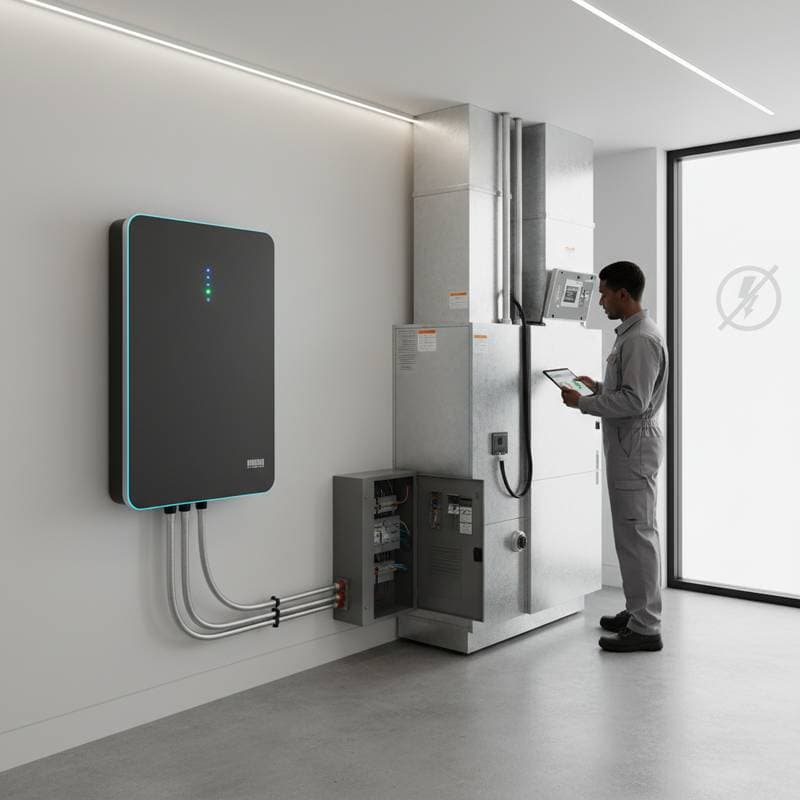
- Premium whole-home battery (solar compatible): $10,000 to $14,000. These units provide sufficient capacity for extended runtime and integrate seamlessly with existing electrical systems.
2. Labor and Installation
- Electrical work: $1,500 to $3,000 for interconnection and safety shutoffs. This includes wiring to the main panel and installing protective devices.
- HVAC integration module: $800 to $1,500 to handle startup surges. The module ensures the battery delivers the high initial power needed for motors.
- Permitting and inspection fees: $200 to $600 depending on local rules. These cover compliance with building codes and safety standards.
3. Optional Solar Integration
If adding rooftop solar panels, expect another $8,000 to $12,000. That portion often qualifies for federal energy tax credits or state rebates, reducing the net cost.
A fully functional HVAC-ready battery system typically ranges from $6,000 to $18,000, depending on home size and backup capacity. Smaller setups for essential circuits cost less, while comprehensive systems for larger homes reach the higher end.
DIY Versus Professional Installation
Battery systems appear straightforward, but safe installation requires expertise, especially with high-voltage connections to HVAC equipment. Personal experience with electrical projects highlights the importance of professionals for complex integrations.
Tasks Suitable for DIY
- Mounting the battery cabinet or preparing conduit runs.
- Running low-voltage communication cables, if the manufacturer instructions permit.
Tasks Requiring Professionals
- Connecting to the main service panel.
- Integrating the HVAC control wiring.
- Configuring automatic transfer switches.
Professional installers ensure proper discharge rates, prevent circuit overloads, and comply with codes. Manufacturers often mandate certified installation to maintain warranty coverage.
Selecting the Appropriate Backup System
HVAC compressors demand significant startup power, often five times the running wattage. Not all batteries meet this requirement, so choose a system designed for high-surge loads.
1. Dedicated HVAC Backup Battery
These units focus exclusively on heating and cooling, handling short bursts of current. They safeguard comfort without powering other appliances.
- Cost: $5,000 to $8,000
- Runtime: 4 to 8 hours on average
- Best for: Homes with existing solar or generator backups
2. Whole-Home Battery System
These manage multiple circuits, including HVAC, lighting, and refrigeration. Integration with smart home controls allows load prioritization during outages.
- Cost: $12,000 to $18,000
- Runtime: 8 to 24 hours, based on capacity
- Best for: Larger homes or solar storage combinations
3. Hybrid Generator-Battery Systems
A small generator paired with a battery extends runtime and minimizes fuel consumption. The battery manages brief outages, while the generator recharges during prolonged events.
- Cost: $10,000 to $15,000
- Runtime: Continuous with fuel available
- Best for: Rural areas or regions with multi-day outages
Optimal Timing for Installation
Schedule installations during spring or fall when HVAC contractors and electricians have lighter workloads. This timing allows for thorough setup without rushed service. Peak summer or winter periods lead to extended wait times, sometimes weeks instead of days.
For systems paired with solar panels, order components early to avoid supply chain delays in inverters and lithium cells. Personal delays of six weeks for a control unit underscore the value of proactive planning. Early-year purchases prevent last-minute complications.
Prioritizing Safety and Compliance
High-energy storage in batteries poses risks if not installed correctly, including fire hazards or insurance invalidation. Verify local codes require licensed electricians to handle permits and inspections.
Key Safety Practices
- Mount batteries on non-combustible surfaces.
- Maintain ventilation clearance as specified by the manufacturer.
- Install surge protection between the battery and HVAC unit.
- Label all disconnect switches clearly for emergency responders.
Avoid placing lithium batteries in attics or crawl spaces due to heat and humidity effects on lifespan. Opt for garages or utility rooms with adequate ventilation.
Calculating Return on Investment
Battery backups yield financial and practical benefits over time, offsetting initial costs.
1. Energy Savings
Paired with solar, batteries store excess daytime power for evening use, reducing grid reliance by 30 to 50 percent.
2. Preventing Losses
A single extended outage risks spoiling groceries worth hundreds of dollars or damaging HVAC from surges. Backups eliminate these expenses.
3. Increased Home Value
Real estate professionals recognize battery systems as desirable features, boosting resale value by 3 to 5 percent.
4. Enhanced Comfort and Health
Uninterrupted climate control supports households with young children, seniors, or medical devices, providing invaluable peace of mind.
Payback typically occurs in 6 to 10 years, considering savings and avoided costs.
Questions for Installers
Gather detailed information before committing to a project. Reputable providers supply written responses and diagrams.
- How many kilowatt-hours does the system provide for HVAC operation alone?
- Does the inverter accommodate motor surge loads?
- What warranty applies to the battery and installation labor?
- Will you collaborate with the HVAC contractor for load testing?
- Can the system expand for future solar or electric vehicle additions?
Hesitation on these points signals the need for alternative providers.
Project Timeline Overview
Installations proceed efficiently with proper preparation.
- Site evaluation and load calculation: 1 day
- Permit application: 1 to 2 weeks, varying by location
- Installation: 1 to 3 days
- Inspection and activation: 1 to 2 days post-installation
The process spans two to three weeks from deposit to full operation, assuming available materials.
Ongoing Maintenance and Durability
Lithium batteries require little upkeep, featuring self-balancing and app-based monitoring. Clean vents every quarter, inspect terminals yearly, and update firmware regularly.
Expect a lifespan of 10 to 15 years before capacity falls below 80 percent. Extended service programs from some manufacturers include routine checks.
Steps to Secure Your Home
Begin by assessing your HVAC load and electrical panel capacity through a licensed electrician. Obtain quotes from at least two certified installers for comparison.
Schedule before seasonal peaks, accounting for permits and shipping. Designate an accessible installation space near the electrical panel and HVAC condenser.
After setup, conduct a test during a scheduled power interruption. Verify thermostat function, air handler operation, and compressor startup. Master the control interface and monitoring app for confident use.
A reliable battery backup sustains family comfort and home integrity amid grid failures. This upgrade combines security with efficiency, delivering enduring reliability.