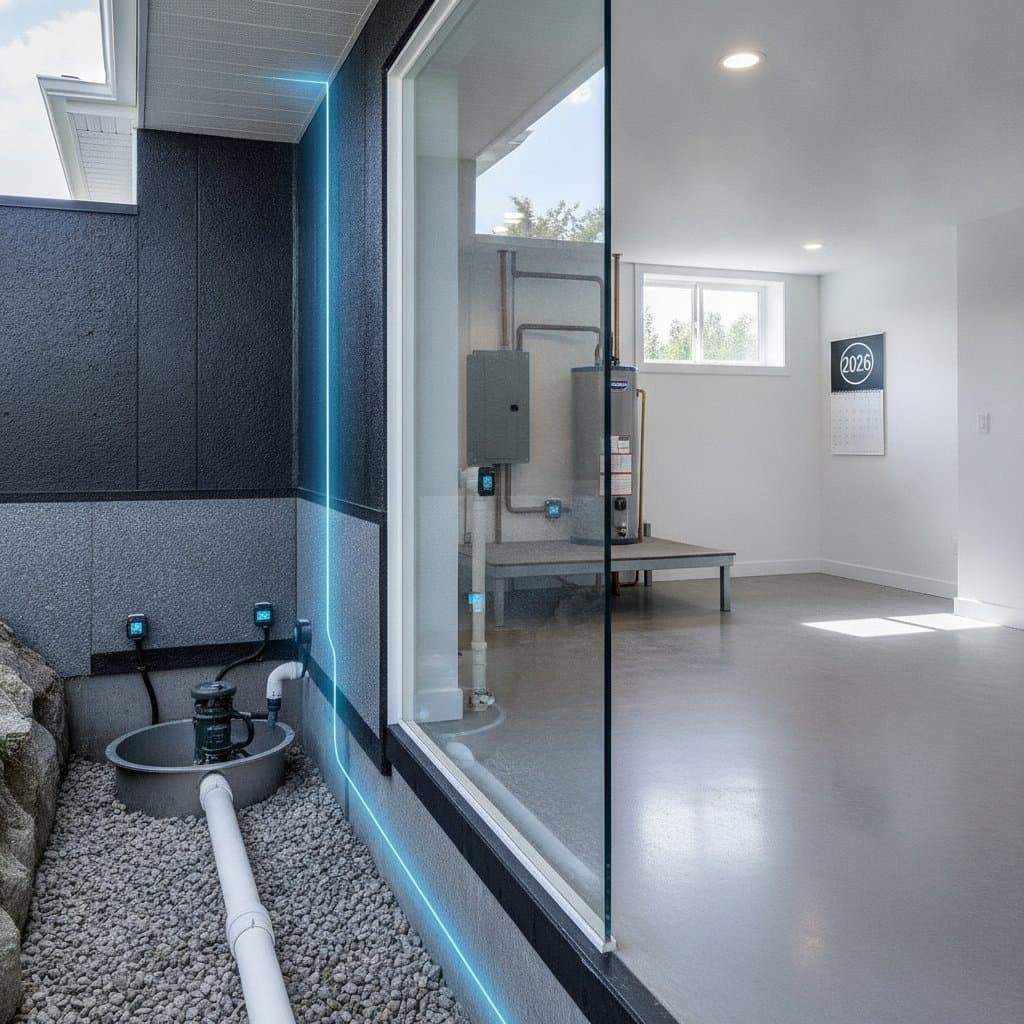
Waterproof Your Basement Before New Flood Maps Hit
FEMA plans to release updated flood maps in 2026, which will likely expand high-risk zones across many areas. These changes could place more properties in flood-prone categories, increasing insurance requirements and potential repair costs. Homeowners who act now to waterproof their basements can avoid surprises, protect their investments, and enhance overall property resilience.
Understanding Basement Vulnerability in Changing Flood Zones
Basements face heightened risks as flood maps evolve. Even minor water seepage, often dismissed as harmless, can escalate into structural damage when combined with heavier rainfall or poor drainage. New designations may require elevated insurance coverage, making preventive measures essential.
These updates provide an opportunity to fortify your home. Professional assessments reveal hidden weaknesses, such as inadequate grading or cracked foundations, before they lead to costly floods. By addressing vulnerabilities early, homeowners secure long-term stability.
Costs and Long-Term Benefits of Waterproofing
Professional waterproofing typically ranges from $3,000 to $10,000, depending on the scope and home size. This investment yields substantial returns through prevented repairs and insurance discounts. For instance, a single flood event can cost over $15,000 in damages, far exceeding initial outlays.
Insurance providers often reduce premiums by 10 to 20 percent for homes with mitigation features. Additionally, a dry basement adds usable space, potentially increasing home value by thousands during resale. The following table outlines common upgrades and their value.
Cost Comparison Table
| Upgrade Type | Average Cost | Lifespan | Key Benefit |
|---|---|---|---|
| Exterior Drainage & Grading | $1,000–$4,000 | 10–20 years | Diverts water away from foundation |
| Interior Sealants | $500–$2,000 | 5–10 years | Reduces dampness and minor leaks |
| Sump Pump System | $1,500–$3,500 | 8–12 years | Prevents basement flooding |
| Full Waterproofing System | $6,000–$10,000 | 20+ years | Comprehensive protection |
Homeowners should prioritize exterior solutions first, as they address water at the source. Interior options serve as effective backups for existing homes. Regular upkeep ensures these systems perform optimally over time.
Early Warning Signs of Basement Water Issues
Monitor for subtle indicators that signal moisture intrusion. White mineral deposits, known as efflorescence, appear on walls when water evaporates from concrete. Musty odors suggest hidden dampness, while cracks wider than a pencil's width indicate potential pathways for water entry.
Inspect low-traffic areas, including behind furniture, around window wells, and along baseboards. These signs can emerge well before visible pooling occurs, especially during rainy seasons. Prompt action, such as applying sealants to small cracks, halts progression and avoids major interventions.
Homeowner FAQ
Will a waterproofed basement stay dry forever?
No waterproofing solution guarantees eternal dryness, as environmental factors evolve. However, routine maintenance, like resealing surfaces every 10 years and testing sump pumps biannually, sustains effectiveness. This approach minimizes risks and extends system longevity.
Do I need professional help or can I DIY?
DIY methods suit simple tasks, such as regrading soil or applying basic sealants. Persistent issues, including structural cracks or complex drainage needs, demand expert evaluation. Professionals use specialized tools to design tailored solutions that prevent future problems.
Can dehumidifiers replace waterproofing?
Dehumidifiers manage indoor humidity but fail to block external water sources. They work best alongside waterproofing to control condensation and mold. Relying solely on them leaves foundations exposed to infiltration.
Does insurance cover basement waterproofing?
Most policies view waterproofing as preventive maintenance, so coverage is rare. That said, completed work often qualifies for premium reductions and lowers claim payouts. Consult your provider to explore available incentives.
How soon should I act before the new maps roll out?
Initiate planning immediately, as contractors schedule projects months ahead. Early assessments allow time for permits and material sourcing. Delaying until map releases may result in rushed, higher-cost work amid increased demand.
Steps to Prepare Your Basement for Flood Resilience
Begin with a thorough inspection to identify drainage flaws, such as clogged gutters or sloping soil toward the house. Extend downspouts at least five feet from the foundation and install splash blocks to redirect flow. For interior protection, clean and seal cracks with hydraulic cement, following manufacturer guidelines for application.
Consider integrating a sump pump if your area experiences frequent heavy rains. Position it in the lowest basement corner and connect to a battery backup for power outages. These steps not only comply with emerging flood standards but also enhance daily livability.
Building Lasting Protection and Value
Investing in basement waterproofing now fortifies your home against FEMA's upcoming changes. It preserves structural integrity, protects belongings from moisture, and promotes healthier air quality indoors. As flood zones expand, proactive owners enjoy lower expenses and greater security.
View these upgrades as enhancements to your property's foundation, both literal and financial. When new maps designate higher risks nearby, your prepared basement stands as a testament to foresight. This preparation ensures resilience, usability, and sustained value for years ahead.