How AI-Powered Water Sensors Safeguard Your Home from Leaks
Water damage ranks among the most common and expensive issues homeowners face. A single undetected leak can lead to thousands of dollars in repairs, mold growth, and structural harm. AI-powered water sensors offer a proactive solution by detecting issues early and alerting homeowners in real time. These devices learn your home's water usage patterns to distinguish normal flow from anomalies, ensuring timely intervention before damage escalates.
Advancements in artificial intelligence have made these sensors smarter and more reliable. They integrate with home automation systems for seamless monitoring. Homeowners gain peace of mind knowing their property remains protected around the clock.
The Mechanics of AI Water Sensors
AI water sensors operate through a combination of hardware and software designed for precision detection. At their core, these devices use moisture detectors placed in vulnerable areas such as basements, under sinks, and near water heaters. When water contacts the sensor, it triggers an immediate signal to a connected hub or app.
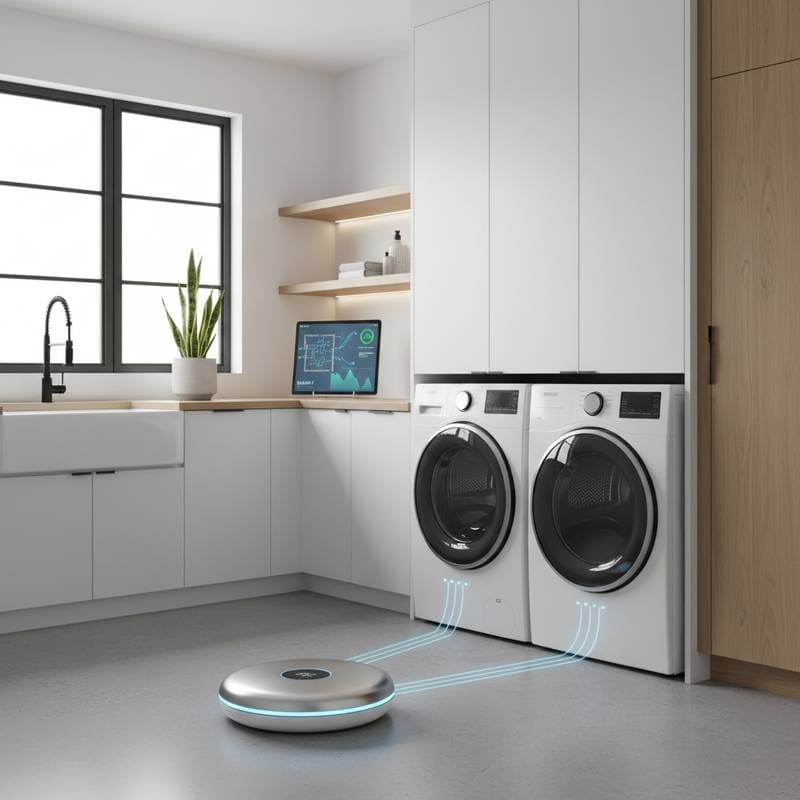
The artificial intelligence component analyzes data over time. Sensors track water flow rates, pressure changes, and usage frequency to build a baseline for your household. If a deviation occurs, such as a slow drip from a pipe, the system flags it as a potential leak. Machine learning algorithms refine these predictions, reducing false alarms and improving accuracy with continued use.
Many models include additional features like temperature monitoring to detect freezing pipes or humidity levels that could indicate broader issues. Integration with smart home platforms allows for automated responses, such as shutting off the main water valve remotely.
Key Benefits for Homeowners
Early detection stands out as the primary advantage of AI water sensors. Traditional methods rely on visible signs of water, which often appear too late. These sensors identify problems within hours, minimizing repair costs that average over $2,000 for basic incidents.
Another benefit lies in their adaptability to individual homes. The AI learns from your routines, whether you run laundry daily or host frequent gatherings. This personalization ensures relevant alerts without unnecessary notifications.
Long-term savings extend beyond immediate repairs. By preventing mold and rot, sensors protect property value and health. Insurance providers often offer discounts for homes equipped with such technology, further offsetting the initial investment.
Installation Options: DIY or Professional
Installing AI water sensors requires careful placement for optimal coverage. Begin by identifying high-risk zones: kitchens, bathrooms, laundry rooms, and utility spaces. Most kits include multiple sensors and a central hub that connects via Wi-Fi.
For DIY installation, follow these steps:
- Mount sensors in targeted areas using adhesive or screws, ensuring they contact potential leak paths.
- Pair the hub with your home network through the manufacturer's app.
- Test the system by simulating a leak, such as dripping water on a sensor.
This approach suits tech-savvy homeowners and typically takes one to two hours. However, professional installation guarantees proper wiring and integration, especially for whole-home systems. Electricians or plumbers charge $100 to $300, depending on complexity, but they handle permits and ensure compliance with local codes.
Consider your comfort level with technology. If your home features existing smart devices, professional setup maximizes compatibility.
Essential Maintenance for Longevity
Regular upkeep keeps AI water sensors performing reliably. Check batteries every six months, as most models use replaceable lithium cells lasting one to two years. Clean sensors periodically to remove dust or residue that could impair detection.
Update the accompanying app and firmware promptly. Manufacturers release patches to enhance AI algorithms and security features. Monitor alert history in the app to verify the system's learning progress and adjust sensitivity if needed.
In hard water areas, mineral buildup may affect flow monitors. Descale these components annually using a vinegar solution. If a sensor malfunctions, replace it individually rather than the entire system to control costs.
Selecting Budget-Friendly AI Sensor Systems
AI water sensors range from basic kits under $100 to advanced setups exceeding $500. Entry-level options cover essential areas with simple alerts via smartphone. Look for models from reputable brands that offer expandable packs for growing needs.
Mid-range systems, priced at $200 to $400, include AI learning and auto-shutoff valves. These provide comprehensive protection for average homes. Premium versions add voice integration and professional monitoring subscriptions, ideal for larger properties.
Evaluate features against your budget. Prioritize wireless connectivity and app usability. Read user reviews for reliability in real-world scenarios. Many retailers offer trial periods or return policies to test compatibility.
Steps to Secure Your Home Against Water Damage
Start protecting your home today by assessing current vulnerabilities. Purchase a starter kit tailored to your space and install it promptly. Regularly review system performance to stay ahead of potential issues.
These AI sensors represent a worthwhile investment in your property's future. By combining technology with practical habits, homeowners avoid disasters and maintain a safe living environment. Take action now to ensure your home remains dry and secure.