Spring 2026: Prevent $10,000+ Foundation Damage Before It Starts
Home renovation expenses throughout the United States are projected to increase significantly, with foundation repairs leading the surge. Escalating material prices, constrained contractor availability, and evolving weather conditions foster conditions ripe for concealed structural issues. Foundation damage typically originates from subtle indicators such as minor fissures, inadequate site grading, or obstructed gutters. By the point when interior manifestations like uneven floors or jammed doors become evident, restoration expenses frequently surpass $10,000.
Spring 2026 marks an ideal period for preemptive measures. Such problems remain avoidable through vigilant observation and prompt intervention. This involves conducting inspections, rectifying drainage deficiencies, and emphasizing moisture mitigation prior to the onset of substantial seasonal precipitation.
Factors Intensifying Foundation Challenges
Prices for essential materials including concrete, steel, and excavation services have risen steeply owing to import tariffs and logistical disruptions. Sourcing fundamental components like rebar and aggregate proves increasingly difficult in certain locales, thereby inflating contractor quotations. Concurrently, climatic variations disrupt traditional patterns. Regions accustomed to steady precipitation now experience intense deluges interspersed with arid intervals, prompting soil expansion and contraction. These dynamics exert considerable pressure on foundational elements, particularly in aging structures lacking contemporary drainage infrastructure.
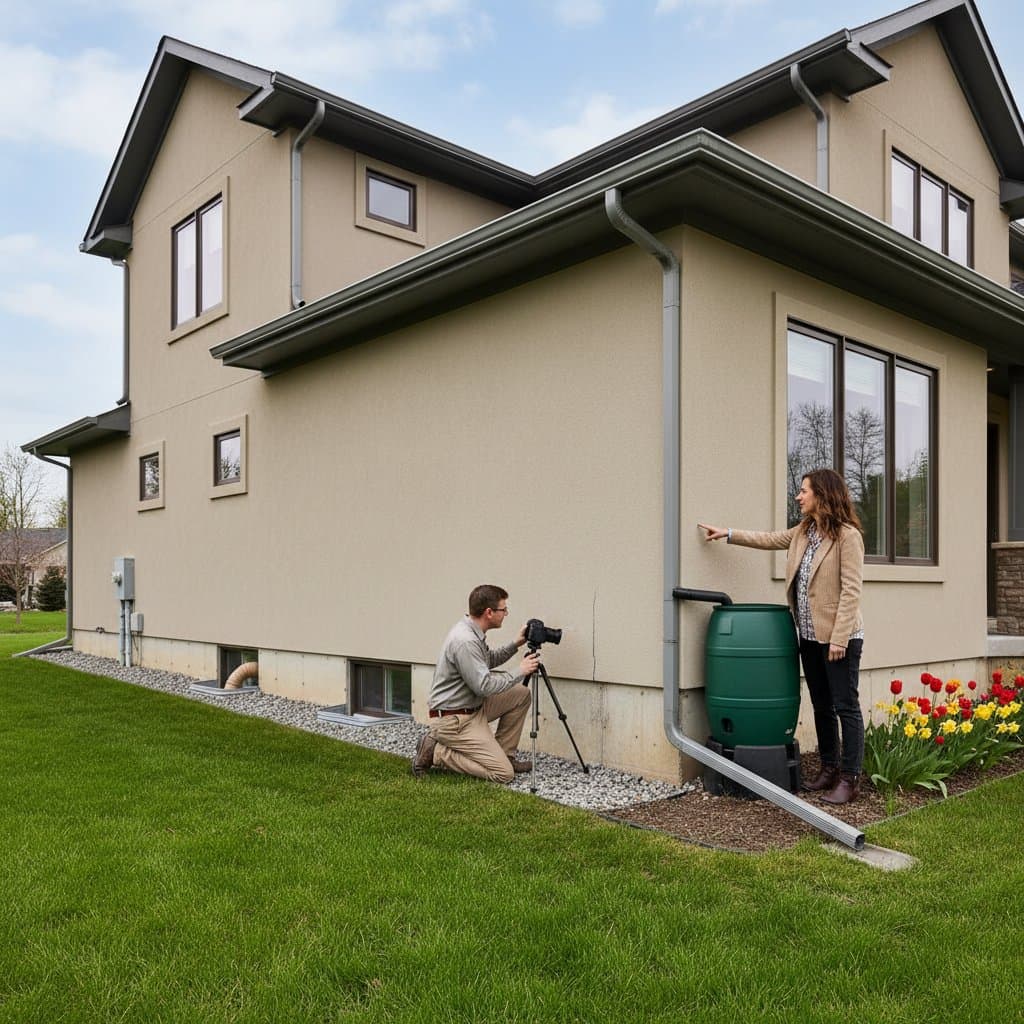
A common scenario involves a downspout directing runoff excessively near the residence. Across multiple seasons, this can induce settling of up to half an inch in affected areas, resulting in drywall fractures and window misalignment. Early detection permits resolution through drainage enhancements and limited underpinning for approximately $2,500. Prolonging action by one year might necessitate pier installations and comprehensive reinforcement, elevating expenditures beyond $10,000.
Financial Implications of Postponement
Deferring foundation upkeep appears straightforward since initial signs often seem superficial. However, fissures seldom remain confined. Upon water infiltration, processes like freeze-thaw action and soil heaving exacerbate deterioration.
The following outlines potential escalation:
| Problem Severity | Typical Repair Method | Estimated Cost Range | Duration |
|---|---|---|---|
| Minor cracks | Epoxy injection | $500 - $1,200 | 1 day |
| Uneven settling | Pier installation | $5,000 - $12,000 | 2-4 weeks |
| Severe structural shift | Full underpinning | $15,000+ | 4-8 weeks |
Industry professionals note that delays of six months frequently double initial projections. Additional outlays for interior finishes, flooring replacement, and landscape restoration further amplify total costs beyond the core structural interventions.
Distinguishing DIY Tasks from Professional Requirements
Certain upkeep activities suit homeowner execution, whereas others demand expert tools and expertise.
| Task | Suitable for DIY | Requires Professional | Key Considerations |
|---|---|---|---|
| Gutter cleaning | Yes | No | Employ a secure ladder and protective gloves |
| Soil grading | Partially | No | Lease a compact tiller for dense soil sections |
| Crack sealing | Partially | No | Apply epoxy kits solely to non-load-bearing fissures |
| Drain tile installation | No | Yes | Involves trenching and regulatory approvals |
| Piering or underpinning | No | Yes | Structural engineers oversee the design |
A prudent guideline dictates engaging specialists for any undertaking involving foundational displacement, excavation adjacent to supports, or alterations to weight-bearing components. Foundation remediation warrants professional oversight rather than trial-and-error approaches.
Obtain three complimentary estimates from regional specialists prior to proceeding. Inquire about geotechnical assessments, warranty provisions, and scheduling commitments.
Current Market Dynamics
The construction sector faces material price instability. Concrete providers impose surcharges of 10 to 15 percent over prior periods, compounded by escalating fuel-driven transport charges. Shortages of qualified personnel, including masons and earthmovers, compound these pressures. These circumstances underscore the economic advantages of timely intervention.
For anticipated spring projects, secure rates via executed agreements and initial payments before surcharge adjustments. Numerous firms uphold such terms despite minor delays, yielding substantial savings.
Essential Safety and Regulatory Protocols
Structural modifications frequently necessitate official permits, particularly those impacting load-bearing features or adjacent to boundaries. Bypassing approvals risks impeding property transactions or nullifying guarantees. Consult municipal authorities before initiating any foundational alterations.
Prioritize safety by avoiding unsupervised access to subfloor spaces or open excavations absent adequate supports. Unpredictable collapses pose hazards. Experts deploy shoring devices and protective enclosures to mitigate risks.
In instances involving proximate utilities such as gas or power lines, summon locator services prior to any ground disturbance.
Sustaining Foundational Stability
Following stabilization, regular vigilance ensures longevity. Perform these evaluations annually in spring:
- Examine for emergent fissures post-thaw periods.
- Clear and verify gutter functionality ahead of storms.
- Assess grading inclines for subsidence.
- Inspect downspout diverters for obstructions.
- Track basement moisture levels using a hygrometer.
- Document variations in door functionality or floor levels.
Individual steps require under an hour, yet collectively avert cumulative moisture accumulation leading to extensive harm.
Upon identifying fresh fissures or shifts, respond without delay. Foundational concerns seldom resolve independently, and swift measures invariably prove more economical.
Steps to Implement This Spring
Safeguarding the foundation demands foresight from discerning homeowners. Expertise proves unnecessary for recognizing alerts or enhancing runoff management. Diligent scrutiny, prompt responses, and judicious professional consultations suffice.
Commence with a comprehensive perimeter review following significant rainfall. Identify standing water or erosive patterns. Address gutters, reposition downspouts, and reaffirm site slopes. Arrange expert appraisal for any anomalies observed.