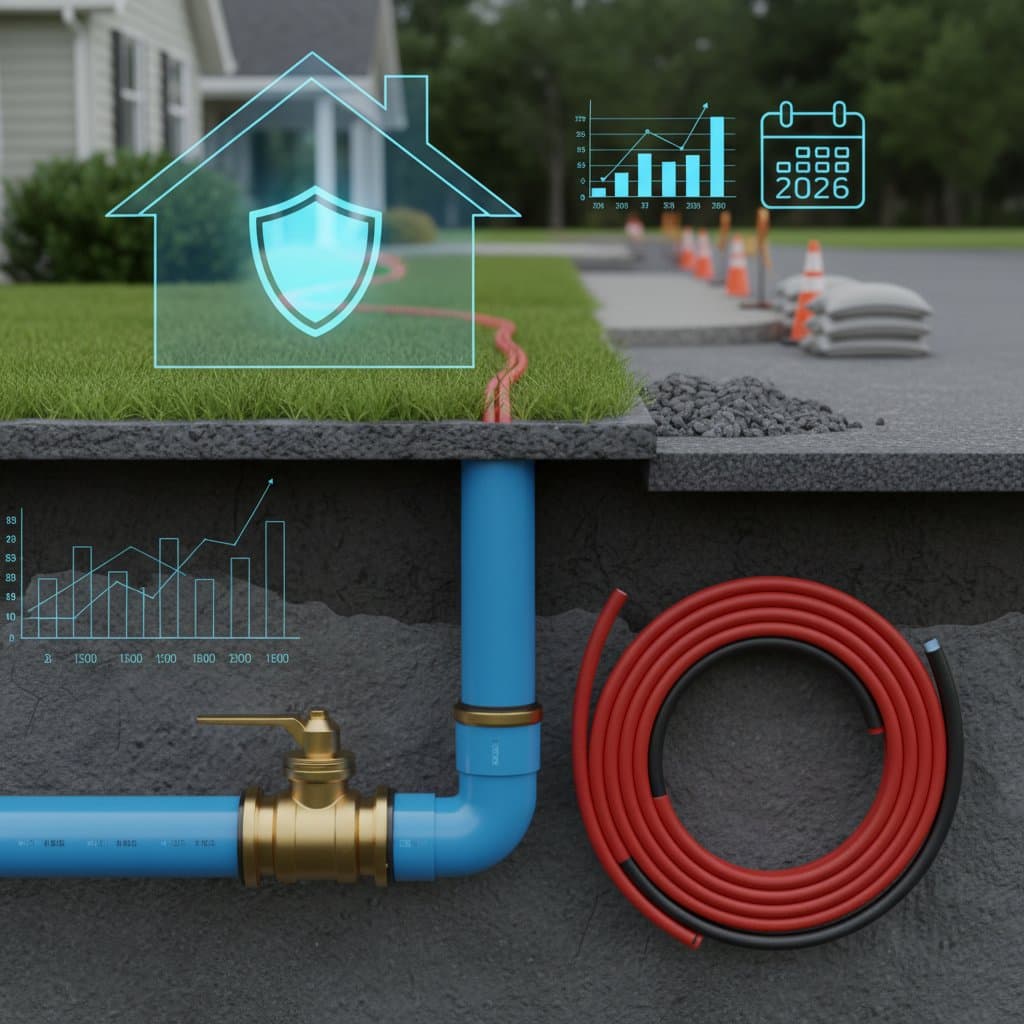
Water Main Replacement Costs and Coverage for 2026
Water main replacements represent a significant home maintenance concern, particularly as infrastructure ages across many regions. Homeowners often face unexpected disruptions when these essential lines fail, leading to water shortages or flooding. Understanding the costs involved and available coverage options proves crucial for effective planning in 2026.
This guide explores the factors influencing replacement expenses, insurance considerations, and practical strategies to mitigate financial burdens. By examining early detection methods and professional versus self-managed approaches, readers gain tools to safeguard their properties. Preparation now ensures smoother resolutions later.
Understanding Water Mains and Common Issues
A water main delivers fresh water from the municipal supply to individual homes, typically constructed from materials like PVC, copper, or galvanized steel. These lines endure constant pressure and environmental stresses, which accelerate wear over decades. Corrosion, ground shifts, and tree root intrusions emerge as primary failure causes.
Homeowners notice issues through reduced water pressure, discolored flow, or unusual sounds in pipes. Leaks manifest as soggy yards or elevated utility bills without increased usage. Addressing these promptly prevents escalation to full replacements.
In 2026, aging infrastructure in suburban and urban areas heightens risks. Municipal updates may require property owners to align private lines with new standards, adding complexity to repairs.
Factors Influencing Replacement Costs in 2026
Replacement expenses vary widely based on location, line length, and material choices. National averages project between $3,000 and $15,000 for standard residential jobs, with urban settings pushing costs higher due to access challenges.
Location and Accessibility
Properties in remote or rocky terrains demand extra excavation, inflating labor fees by 20 to 50 percent. City dwellers encounter permit hurdles and utility coordination, extending timelines and expenses. Assess site specifics early to obtain accurate quotes.
Material and Length Considerations
Shorter lines under 50 feet cost less, around $50 to $150 per foot installed. Opt for durable PEX or HDPE materials, which resist corrosion better than older metals and qualify for rebates in some areas. Factor in depth requirements; deeper burials increase digging costs.
Labor and Additional Fees
Professional plumbers charge $75 to $200 hourly, with full projects spanning two to five days. Permits average $200 to $500, while unexpected complications like root removal add $1,000 or more. Inflation trends for 2026 suggest a 5 to 7 percent rise in these rates.
Insurance Coverage for Water Main Replacements
Standard homeowners policies often exclude exterior water main repairs, classifying them as maintenance rather than covered perils. However, certain endorsements extend protection under specific conditions.
Policy Review Essentials
Examine your declarations page for water damage riders, which may cover sudden bursts but not gradual leaks. Liability sections protect against neighbor impacts from excavations. Contact insurers annually to confirm 2026 adjustments, as climate-related claims influence premiums.
Alternative Coverage Options
Consider service line insurance, available through utilities or private providers for $5 to $20 monthly. These plans cover repairs up to $10,000, bypassing deductibles. For high-value homes, umbrella policies provide broader safeguards against related disputes.
Early Warning Signs and Prevention Strategies
Vigilance detects problems before they demand full replacements. Monitor for low pressure during peak usage or metallic tastes in water, indicators of internal deterioration.
Proactive Maintenance Steps
- Schedule annual inspections with licensed plumbers to assess line integrity using cameras.
- Install shut-off valves for quick isolation of issues.
- Avoid planting deep-rooted trees near service lines to minimize intrusion risks.
Regular flushing clears sediment buildup, extending line life by years. Budget $200 to $400 yearly for these measures, a fraction of replacement costs.
DIY Versus Professional Replacement: Weighing Options
Minor leak repairs suit handy homeowners with basic tools, but full replacements require expertise. Attempting DIY on mains risks code violations and water contamination.
When to Call Professionals
Engage experts for any main line work due to high pressures and digging hazards. Licensed contractors ensure compliance with 2026 plumbing codes, including backflow prevention. Obtain multiple bids and verify bonding for accountability.
Budget-Friendly Alternatives
Explore municipal assistance programs for low-income households, covering up to 50 percent of costs. Trenchless methods, using pipe lining, reduce expenses by 30 to 40 percent compared to traditional digs. These innovations gain popularity in 2026 for minimal disruption.
Planning and Budgeting for 2026 Replacements
Anticipate needs by mapping your water main layout through utility records. Set aside $5,000 in emergency funds, adjusted for local averages.
Step-by-Step Preparation Guide
- Document current pipe conditions via a professional survey.
- Review and update insurance to include service line protection.
- Research local contractors and secure pre-approvals for financing if needed.
Financing options like home equity loans offer low rates, spreading costs over time. Track inflation in construction materials to refine estimates.
Securing Your Home's Water Future
Investing in water main awareness pays dividends through avoided crises. Regular upkeep and informed coverage choices fortify residences against 2026 challenges. Homeowners who act decisively preserve both property value and daily comfort.
Consult local experts to tailor these insights to your situation. Proactive steps today build resilience for tomorrow's demands.