Renovations That Maximize Refinance Appraisal Value
Homeownership presents various financial avenues, including mortgage refinancing to lower payments, adjust terms, or access equity. Lenders require an appraisal to assess property value prior to approval. Homeowners frequently discover discrepancies between perceived and appraised values. Targeted renovations can bridge this gap effectively.
A complete overhaul proves unnecessary to influence an appraiser positively. Strategic, focused updates enhance appeal, functionality, and market worth. This guide details high-return renovations, planning strategies aligned with refinancing goals, and methods to sidestep low-yield expenditures.
Essential Renovations That Strengthen Appraisal Value
Appraisers evaluate homes based on condition, functionality, and market comparability. Select updates address these factors directly, yielding measurable value increases.
1. Modernizing Kitchens and Bathrooms
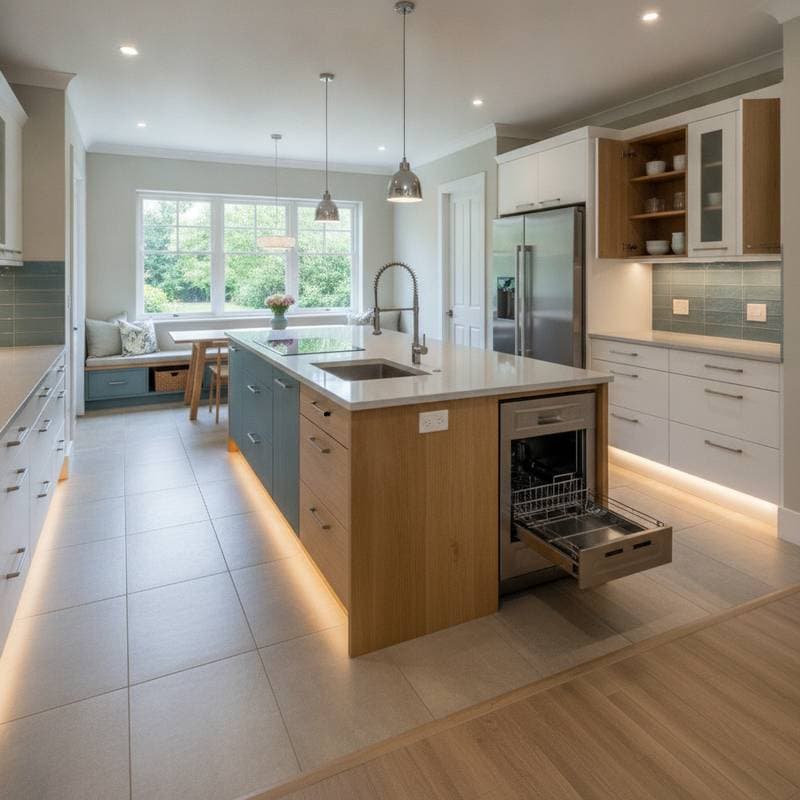
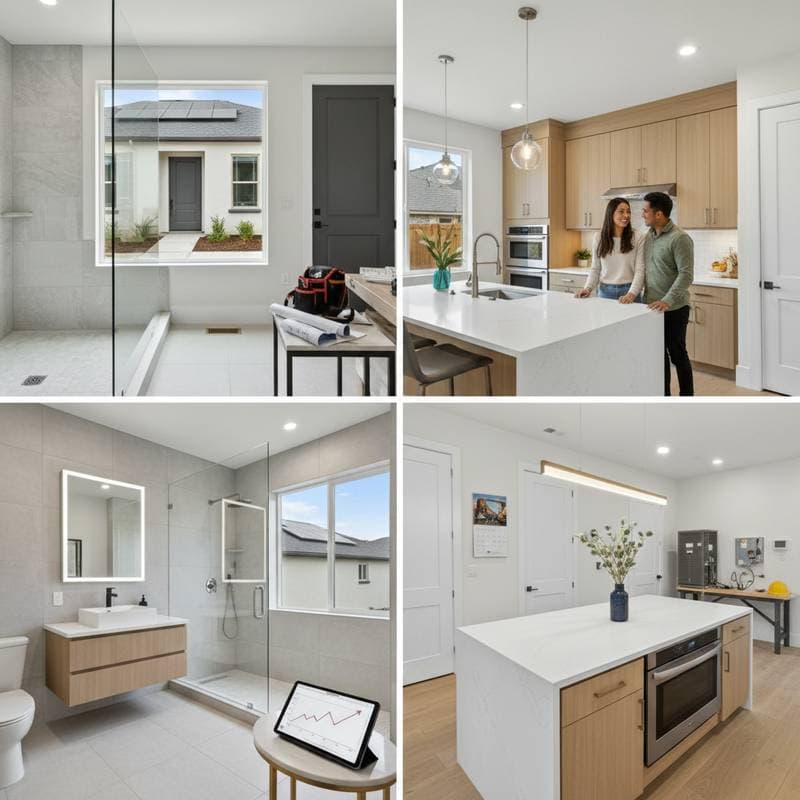
Kitchens and bathrooms rank among the most scrutinized spaces in appraisals due to their daily use and visible aging. Refreshing these areas improves usability and aligns with buyer expectations.
High-return kitchen modifications:
- Install energy-efficient appliances to replace outdated units, reducing utility costs and demonstrating modernity.
- Refinish existing cabinets with fresh paint or stain, preserving budget while updating aesthetics.
- Select durable countertops such as quartz for longevity and resistance to wear.
- Update hardware and fixtures to achieve a unified, contemporary appearance.
Bathroom enhancement options:
- Replace aging faucets and lighting with fixtures in brushed nickel or matte black finishes.
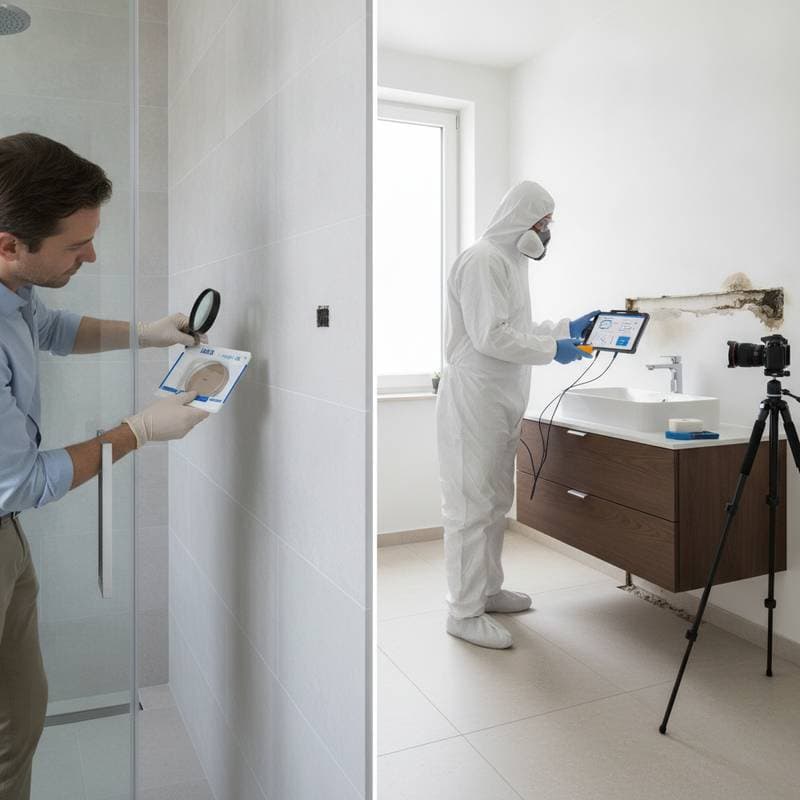
- Regrout tiles and reseal surfaces to eliminate moisture damage and restore cleanliness.
- Install waterproof vinyl plank flooring or ceramic tiles for durability in high-moisture environments.
- Incorporate a high-quality exhaust fan to ensure adequate ventilation and prevent mold growth.
Such changes highlight maintenance and practicality, key appraisal considerations.
2. Repairing Essential Systems
Fundamental systems form the backbone of a home's reliability. Appraisers deduct value for evident issues in roofing, plumbing, electrical, or HVAC components. Addressing these restores confidence in the property's integrity.
Critical system repairs:
- Inspect and repair the roof, replacing damaged shingles or sections to prevent leaks.
- Update plumbing lines to eliminate corrosion, focusing on visible pipes and fixtures.
- Ensure electrical panels meet code standards, upgrading outdated wiring where necessary.
- Service HVAC units for efficient operation, including filter replacements and duct cleaning.
Document all repairs with invoices and inspection reports. These demonstrate proactive care, often leading to higher appraised values by mitigating risk perceptions.
3. Boosting Curb Appeal
The home's exterior sets the initial tone for an appraisal. A neglected facade suggests broader maintenance lapses, while a polished one implies overall quality.
Effective exterior enhancements:
- Power wash siding, decks, and driveways to remove dirt and mildew buildup.
- Apply fresh paint to the front door, shutters, and trim in neutral, inviting colors.
- Refresh landscaping with mulch, trimmed shrubs, and seasonal plantings for visual interest.
- Repair or replace cracked walkways and steps to ensure safe access.
- Upgrade exterior lighting to energy-efficient LED fixtures for improved security and style.
These modest investments create a positive first impression, influencing appraisers' assessments of the entire property.
4. Enhancing Energy Efficiency
Modern appraisals increasingly factor in sustainability and cost-saving features. Energy-efficient upgrades appeal to eco-conscious markets and reduce operational expenses.
Energy-focused improvements:
- Seal windows and doors with weatherstripping to minimize drafts and heat loss.
- Install programmable thermostats to optimize heating and cooling usage.
- Add insulation to attics and walls, prioritizing areas with poor thermal performance.
- Switch to double-pane windows if single-pane units predominate, improving insulation values.
Obtain energy audits or certifications to substantiate these upgrades. Appraisers often assign premium value to homes that demonstrate lower long-term costs.
5. Creating Functional Space
Space utilization affects perceived livability. Appraisers measure square footage and assess layout efficiency. Thoughtful expansions or reconfigurations can elevate value substantially.
Space optimization strategies:
- Finish basements using mold-resistant drywall and proper drainage to add livable area.
- Convert attics into functional rooms with adequate lighting, ventilation, and egress.
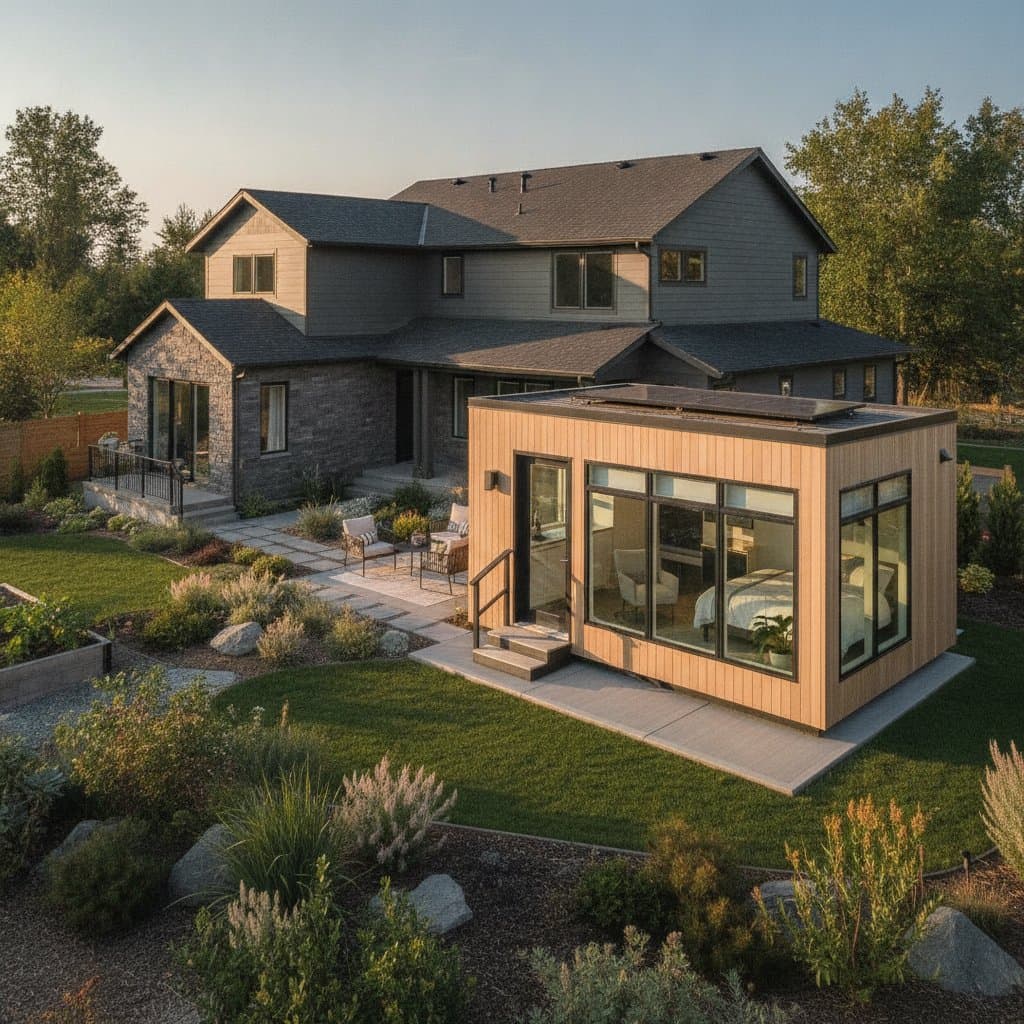
- Build modest decks or patios with weather-resistant materials for extended outdoor use.
- Remove non-structural walls to foster open-concept designs that enhance flow.
Align modifications with neighborhood norms to avoid over-improvement. Permits and professional plans bolster credibility during appraisals.
DIY vs Professional Decision Points
Homeowners possess varying skill levels for projects. Distinguishing between self-managed tasks and those requiring experts prevents errors and ensures compliance.
Suitable for DIY efforts:
- Interior and exterior painting with quality primers and finishes.
- Basic landscaping, including planting and mulching.
- Hardware swaps on cabinets, doors, and lights.
- Caulking and sealing around windows, doors, and outlets.
Require professional involvement:
- Any electrical modifications, such as outlet additions or panel upgrades.
- Plumbing tasks beyond fixture replacements, like pipe rerouting.
- HVAC installations or major repairs.
- Structural alterations, roofing, or permitted remodels.
Professional oversight provides warranties and inspections, which appraisers view as validation of quality workmanship.
When to Call the Pros
Certain indicators signal the need for expert intervention to maintain safety and value. Delaying action on these can lead to appraisal deductions or safety hazards.
Triggers for professional consultation:
- Foundation cracks wider than a quarter-inch or shifting floors.
- Frequent electrical surges or breaker failures.
- Persistent leaks originating from hidden sources.
- HVAC systems exhibiting reduced efficiency or strange operational sounds.
- Renovations impacting load-bearing elements or utility systems.
Licensed professionals deliver certified reports that affirm the home's soundness, supporting stronger appraisal results despite initial costs.
Cost Considerations and Expected Returns
Returns vary by location, home age, and market conditions. Appraisers reward practical, comparable updates over extravagant ones.
Anticipated value impacts:
- Kitchen and bathroom refreshes typically recover 60 to 80 percent of costs in appraisals.
- System repairs and energy upgrades yield high returns through risk reduction and efficiency gains.
- Curb appeal efforts often enhance value by 5 to 10 percent with minimal investment.
- Extensive additions risk lower recouping if they surpass local averages.
Retain all documentation, including receipts, photographs, and compliance certificates. This evidence enables appraisers to attribute tangible value to recent enhancements.
Implementing Your Renovation Plan
Approach refinance-focused renovations systematically. Conduct a thorough home inspection to identify priorities, then sequence updates by impact and budget. Track progress with detailed records to present a compelling case during appraisal. These efforts not only secure favorable financing terms but also build a more resilient, valuable asset for the future.