Granny Flat Financing: HELOC vs. Cash-Out Refinance in 2026
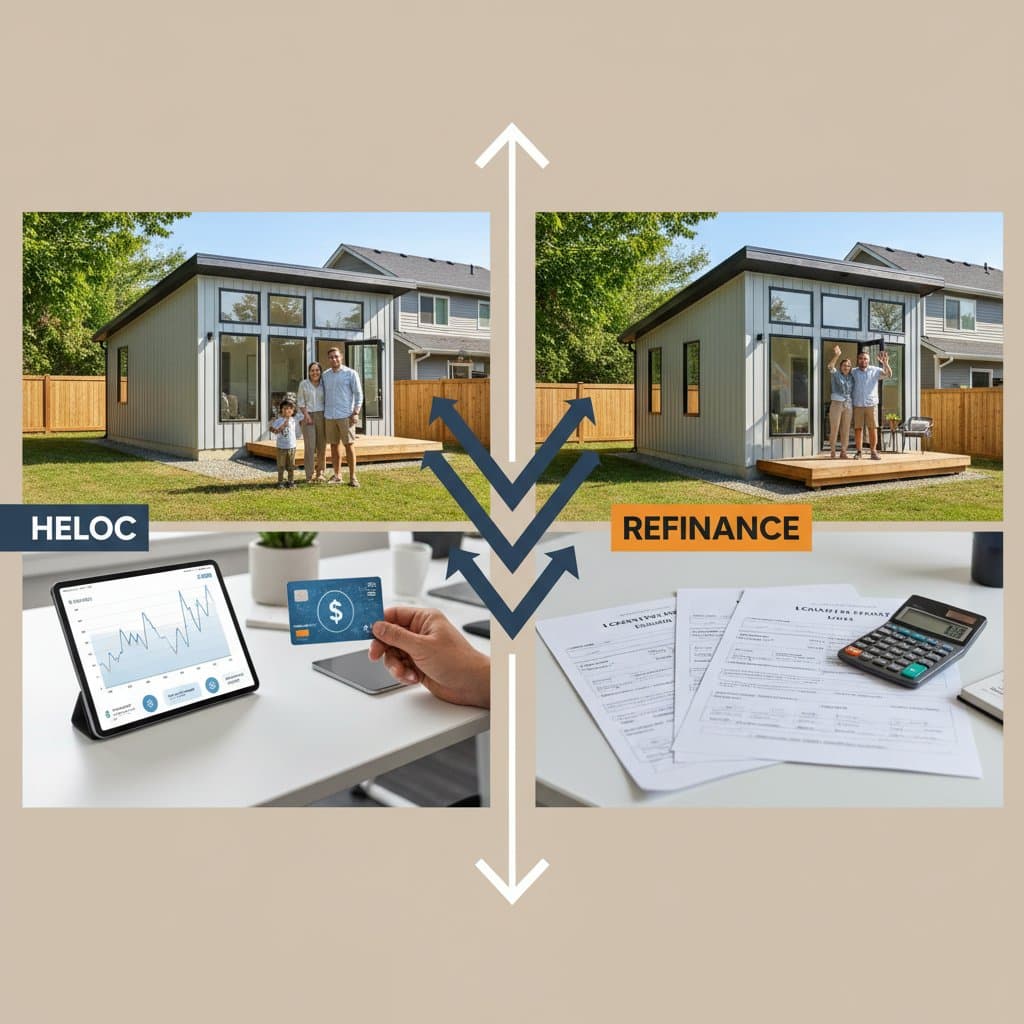
Homeowners nationwide add granny flats and accessory dwelling units to properties for rental income, family support, or additional space. Rising construction costs and stricter lending standards make funding a key challenge. Two primary options emerge: a Home Equity Line of Credit (HELOC) and a cash-out refinance. Each suits specific needs based on project scope, timeline, and market conditions.
Before engaging architects or contractors, assess how financing influences overall budget and returns. This evaluation ensures alignment with long-term goals.
Current Challenges in Granny Flat Financing
Lenders adopt conservative approaches to home equity products amid economic shifts. Construction materials face elevated prices from supply chain issues. Homeowners must access equity wisely for projects that often exceed $100,000, including permits, site preparation, and utility connections.
Delays in approvals or cost increases during design and construction phases complicate matters. Flexible financing prevents interruptions and supports timely completion.
Exploring the HELOC Option
A Home Equity Line of Credit functions as a revolving loan secured by home equity. Borrowers access funds as needed and pay interest solely on drawn amounts. This structure appeals to those seeking adaptability, particularly for phased construction.
Advantages of a HELOC
- Flexible Fund Access: Draw funds incrementally as expenses arise, minimizing initial interest accrual.
- Reduced Closing Costs: Fees typically range from $500 to $1,000, far below refinance expenses.
- Streamlined Approval Process: Funds become available in weeks, accommodating urgent contractor payments.
- Preservation of Current Mortgage Rate: Retain a favorable existing rate without alteration.
Market Factors for HELOCs
HELOC rates remain variable, exposing borrowers to potential increases. Certain lenders provide hybrid products that convert portions to fixed rates for added security. Verify details on annual fees or early payoff charges, as these impact extended projects.
Ideal Scenarios for a HELOC
- Substantial home equity exists alongside a competitive primary mortgage rate.
- Construction proceeds in stages, enabling gradual borrowing.
- Borrowers tolerate rate variability without straining finances.
- Project completion occurs within a few years.
Consider draw period durations, often five to ten years, to avoid future refinancing hurdles.
Cost Comparison Across Options
| Financing Option | Interest Type | Average Rate Range | Approximate Fees | Best For |
|---|---|---|---|---|
| HELOC | Variable or Hybrid | 7.5% - 9% | $500 - $1,000 | Flexible, phased projects |
| Cash-Out Refinance | Fixed | 6.5% - 8% | 2% - 5% of loan amount | One-time full funding |
| Personal Loan | Fixed | 9% - 13% | Minimal | Small or emergency needs |
Rates vary by lender, location, and credit profile. This overview reflects 2025-2026 trends. Obtain quotes from multiple sources to secure optimal terms.
Secure estimates from three local contractors to refine financing requirements accurately.
Decision Framework: HELOC or Cash-Out Refinance
Answer these questions to select the right path:
- Does your current mortgage rate undercut market averages? Opt for a HELOC to preserve it.
- Require immediate full funding? Pursue a cash-out refinance.
- Anticipate a multi-month project? HELOC flexibility proves advantageous.
- Prefer rate certainty? A refinance provides reassurance against fluctuations.
- Plan to generate rental income? Refinance payments align predictably with revenue streams.
Consult licensed local experts to validate project expenses prior to loan decisions.
Enhancing Long-Term Value
A completed granny flat boosts property value by 25% to 35% in various markets. Rental use yields consistent income to offset financing costs. For family purposes, it delivers lifestyle benefits like expanded living arrangements.
Incorporate energy-efficient features, solar panels, and durable materials to extend unit viability and reduce ongoing expenses. Consistent renting in demand areas often recoups investment in seven to ten years.
Steps to Secure Financing and Start Building
Begin by evaluating home equity and credit standing. Seek pre-approvals for both HELOC and refinance to compare actual terms. Integrate contractor cost projections to pinpoint funding amounts and disbursement schedules.
A HELOC supports adaptable projects, while a refinance ensures payment predictability. Align the choice with construction phases and risk tolerance for optimal results.
Collect fresh contractor bids and lender consultations promptly. This coordination streamlines the journey from planning to occupancy, maximizing the granny flat's benefits.