Multigenerational Remodels: Unlocking High ROI by 2026
Homeowners increasingly view multigenerational remodels as more than family accommodations. These projects represent calculated investments that enhance property value, improve energy efficiency, and promote enduring livability. With populations aging and family dynamics evolving, properties designed for multiple generations under one roof experience accelerated appreciation and heightened buyer interest. Returns on investment climb notably when renovations incorporate energy-saving technologies and adaptable living areas.
Defining Multigenerational Living Spaces
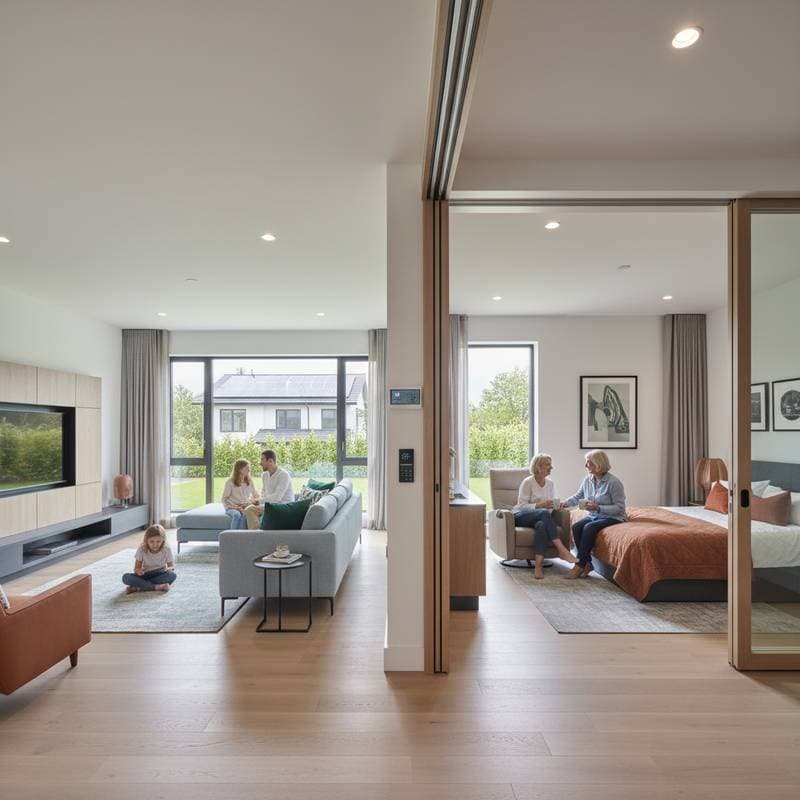
Multigenerational remodels create integrated systems that harmonize a home's architecture with its mechanical components. This approach supports distinct living zones that foster both autonomy and family closeness. Key elements include separate heating, ventilation, and air conditioning zones, dedicated plumbing lines, and intelligent automation tools that tailor environmental controls to varied needs across age groups. Such designs minimize energy consumption while maximizing daily comfort.
Effective setups feature auxiliary kitchens, barrier-free bathrooms, and independent entrances built to universal design principles. These allow residents to maintain privacy without sacrificing shared experiences. Proper integration ensures the property operates as two self-sufficient units sharing a single foundation, which streamlines maintenance and utility management.
Core System Components
Multigenerational systems rely on advanced technologies to deliver efficiency and flexibility. Integrated zoning for heating and cooling prevents overuse in unoccupied areas. Reconfigured plumbing supports isolated water usage, reducing waste and enabling potential separate billing for rental scenarios.
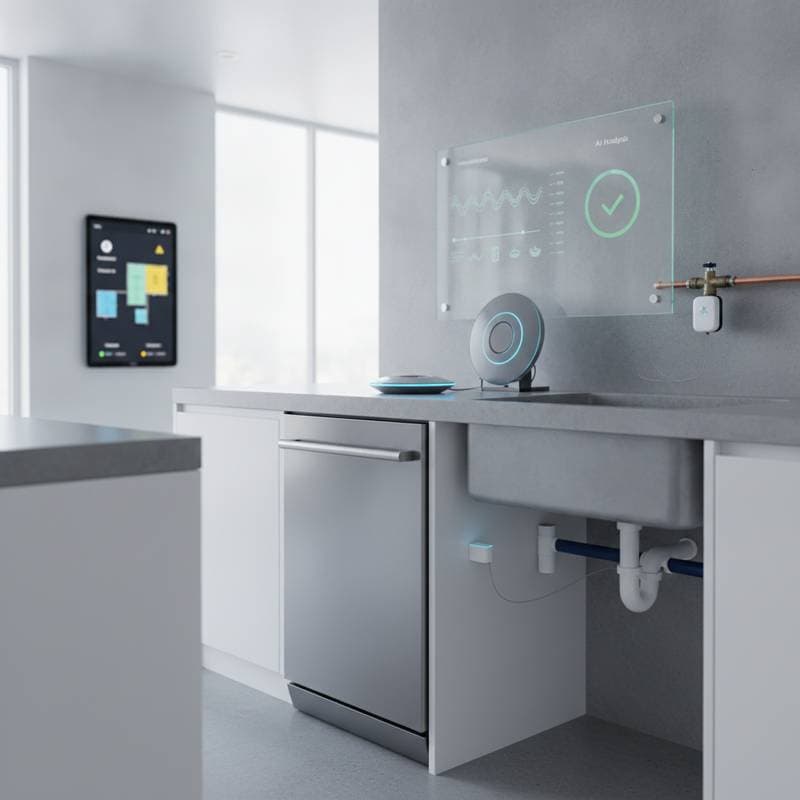
Smart controls, such as programmable thermostats and occupancy sensors, adjust settings automatically based on real-time data. These features not only lower utility bills but also extend equipment life through optimized operation. Homeowners benefit from a cohesive setup that adapts to changing family needs over time.
Technical Specifications
Primary Technologies: Zoned HVAC systems, rerouted plumbing, automated environmental controls
Performance Standards: Heat pumps rated 16 to 20 SEER, furnaces achieving 95 percent AFUE, water-saving fixtures with flow rates under 1.5 gallons per minute
Suitable Climates: U.S. Department of Energy zones 2 to 6, balancing installation costs with energy recovery
System Sizing: HVAC capacities from 2 to 5 tons, heating outputs between 80,000 and 120,000 BTU
Durability: 15 to 25 years expected service life, assuming routine professional servicing
Project Scope: Moderate complexity for zoning additions; higher for structural alterations like suite expansions
Adapting to Regional Conditions
Return on investment depends heavily on local climate and utility rates. In northern areas with harsh winters, high-efficiency gas furnaces or heat pumps with heating seasonal performance factors exceeding 9 provide reliable warmth at reduced costs. Southern regions favor variable-capacity units that handle cooling demands efficiently, often integrating with solar-compatible setups for further savings.
Coastal properties require humidity management through dedicated dehumidifiers or enhanced ventilation, which preserve indoor air quality without spiking energy use. Compliance with regional codes, such as isolated utility meters for in-law suites and fire-rated walls, adds upfront expenses but elevates safety and market appeal. These adaptations ensure remodels perform optimally in diverse environments, safeguarding long-term financial gains.
Comparing Efficiency Options
Selecting the right system involves weighing initial outlays against ongoing savings and environmental impact. Traditional single-unit HVAC setups serve basic needs but fall short in zoned applications. Advanced alternatives deliver superior performance tailored to multigenerational demands.
| System Type | Efficiency Rating | Installation Cost | Annual Energy Cost | Maintenance Needs | Carbon Footprint Reduction |
|---|---|---|---|---|---|
| Standard Single HVAC | 14 SEER | $6,000 - $9,000 | $1,800 | Moderate | Baseline |
| Zoned Dual HVAC | 18 SEER | $10,000 - $14,000 | $1,200 | Moderate | 25 percent |
| Ductless Mini-Split | 20 SEER | $8,000 - $12,000 | $1,000 | Low | 30 percent |
Zoned and ductless configurations recoup costs through 20 to 30 percent lower bills and attract premium pricing at resale. Professional assessments help identify the best fit, factoring in home size and usage patterns.
Factors Enhancing Lasting Value
Properties adapted for multigenerational occupancy retain appeal amid demographic changes. They suit empty-nesters adding space for grandchildren, millennials pooling resources with parents, or investors creating income-generating units. Core strengths lie in energy-resilient building envelopes, like improved insulation and sealed ducts, paired with versatile floor plans.
These homes convert easily from family hubs to rental properties or single-occupant retreats. Appraisers value such adaptability, often adding 10 to 15 percent to market estimates in high-demand areas. Sustainable materials and low-emission systems further boost eco-conscious buyer interest, securing value through economic cycles.
Planning Your Multigenerational Upgrade
Start with a comprehensive mechanical evaluation to map zoning needs and load balances. Engage structural experts to assess modifications for new suites, ensuring stability and code adherence. Energy professionals can simulate outcomes, projecting savings from enhanced insulation, efficient windows, and renewable integrations.
Budget for phased implementation if full overhauls prove daunting; begin with HVAC upgrades for immediate efficiency gains. Partner with certified contractors experienced in universal design to avoid common pitfalls like uneven airflow or accessibility oversights. This strategic approach transforms your home into a resilient asset, delivering comfort, connection, and financial returns for generations ahead.