Granny Pods: Unlock Backyard Value in the 2026 Housing Boom
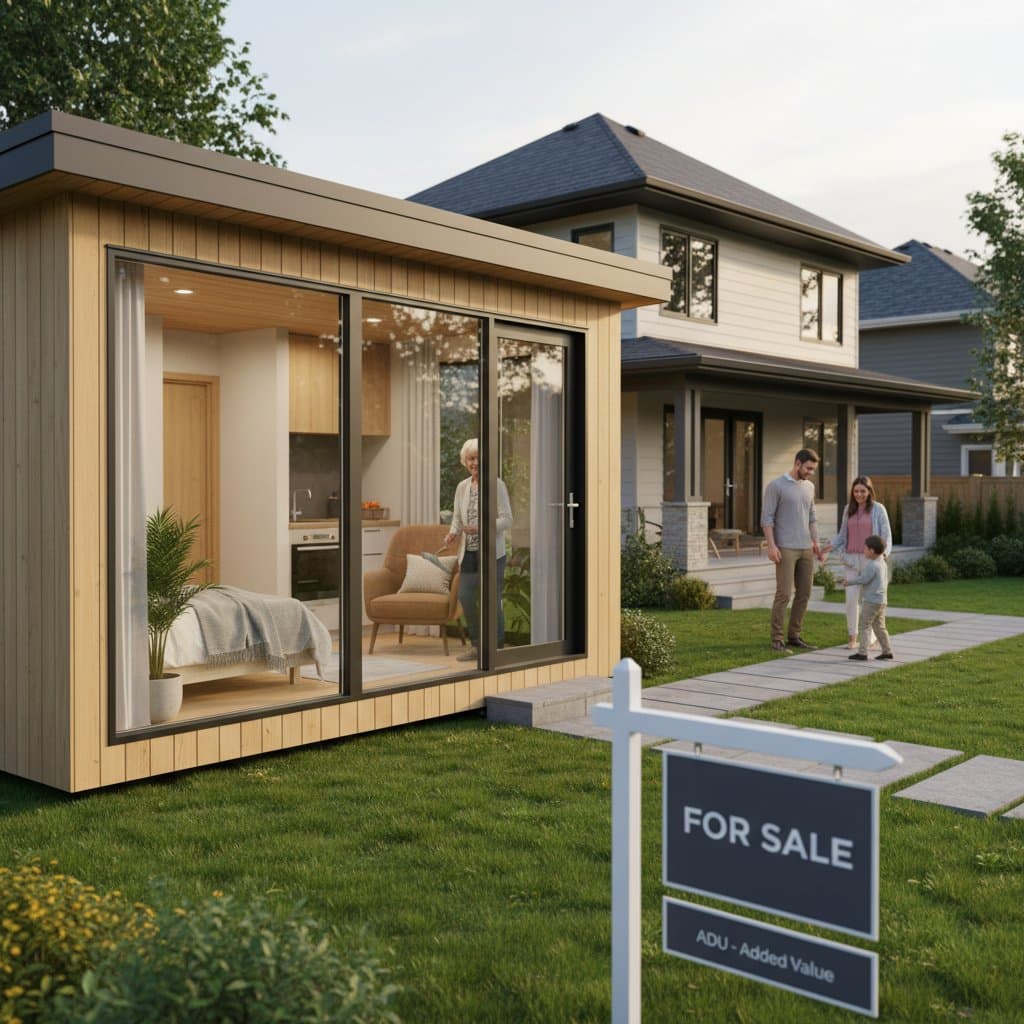
Granny pods redefine family housing strategies by blending independence with property enhancement. As housing costs escalate and multigenerational households gain prevalence, these compact structures provide economical, adaptable, and cozy alternatives. Known formally as accessory dwelling units or ADUs, granny pods enable property owners to establish secluded residences for family members or to secure rental revenue, all without altering the primary dwelling.
Property owners pursue granny pods to maintain proximity to aging relatives, supply budget-friendly options for grown children, or ready properties for evolving market demands. This approach yields both immediate utility and sustained financial benefits.
What Makes Granny Pods Valuable
Granny pods extend beyond mere additional area; they introduce versatility and economic stability. Property owners deploy these prefabricated modules to accommodate seniors on-site, provide starter homes for young adults, or develop revenue-generating short-term accommodations.
These units integrate seamlessly into current lots, optimizing land use and typically requiring less time for setup compared to conventional extensions. The outcome delivers a livable, efficient environment that amplifies overall property functionality and market appeal.
Strategic placement and design elevate a property's appraisal by 20 to 35 percent. In high-demand markets, such increments translate to substantial investment recovery.
Factors Influencing Granny Pod Costs
Multiple elements determine the overall expense of a granny pod installation:
- Location: Municipalities with rigorous zoning laws or elevated labor expenses drive up project totals.
- Utility Connections: Linking to present water, sewage, and electricity infrastructure proves more cost-effective than establishing standalone networks.
- Building Materials: Options like prefabricated panels, high-performance windows, and resilient roofing materials enhance durability yet increase initial outlays.
- Workforce Expenses: Regional contractor availability and rates affect both costs and timelines.
- Layout Intricacies: Features such as divided rooms, elevated ceilings, or luxury surfaces contribute to higher pricing.
- Local Codes: Certain jurisdictions mandate dedicated parking areas, boundary offsets, or limits on residents.
Prospective builders consult municipal ADU guidelines early to verify allowances for leasing or familial use.
Step-by-Step Guide to Building a Granny Pod
Constructing a granny pod demands thorough preparation in design and compliance. The following sequence guides the transition from concept to occupancy.
1. Review Zoning and Obtain Permits
Determine if your locality permits accessory dwelling units. Restrictions may apply to dimensions, elevation, or resident numbers. Reach out to the community planning office prior to engaging architects.
2. Evaluate Site Conditions
Gauge yard dimensions, utility hookups, and screening possibilities for seclusion. Factor in natural light exposure, soil drainage, and distance from the primary residence.
3. Establish a Financial Plan
Account for construction fees, approval costs, site enhancements, and interior setups. Allocate 10 percent extra for unforeseen charges.
4. Choose a Layout or Modular Option
Examine blueprints aligned with intended functions, from elder care to visitor quarters or income properties. Numerous manufacturers supply virtual walkthroughs for visualization.
5. Engage Qualified Experts
Select certified constructors or prefabrication specialists experienced in ADUs. Verify credentials through client testimonials and coverage documentation. Secure firm pricing agreements where feasible.
6. Ready the Foundation Area
Remove foliage, ensure even terrain, and complete base preparation. Integrate plumbing, drainage, and power supplies ahead of unit placement.
7. Assemble and Verify Compliance
Upon module arrival or on-site work commencement, arrange evaluations for base stability, structural elements, wiring, and piping. The concluding review confirms adherence to standards.
Weighing DIY Against Professional Installation
Skilled individuals may manage select finishing elements, yet granny pod erection necessitates expertise and official approvals.
Suitable DIY Elements
- Yard improvements and access routes
- Surface coatings and decorative edges
- Placement of appliances and built-ins
Essential Professional Services
- Base construction and skeletal assembly
- Wiring and pipework integration
- Covering and thermal barriers
- Compliance audits for integrity and security
Engaging certified professionals guarantees regulatory alignment and safeguards capital. Faulty electrical or hydraulic systems risk expensive fixes and endanger occupants.
Strategies for Enduring Granny Pod Benefits
Granny pods serve as adaptable assets when planned with foresight. Thoughtful choices ensure longevity and versatility across family phases.
Incorporate Universal Access
Opt for threshold-free access, broadened passages, and support fixtures in washrooms. These elements accommodate varying mobility levels throughout life stages.
Prioritize Sustainable Features
Equip with energy-saving illumination, water-conserving devices, and climate-appropriate barriers. Such measures lower ongoing operational expenses.
Harmonize Aesthetics
Align exterior materials, coverings, and grounds with the host property for unified appearance that appeals to prospective purchasers and community standards.
Build in Adaptability
Craft configurations that transition easily between hospitality, revenue generation, or workspace roles. Modular furnishings and clever storage solutions amplify utility.
Frequently Asked Questions on Granny Pods
What dimensions are permitted for granny pods?
Local codes typically cap ADUs at 600 to 800 square feet, scaled to parcel size and ordinances.
Is rental use allowed for granny pods?
Property owners frequently lease them long-term; brief stays might demand additional authorizations.
Must granny pods have independent utilities?
Units may tie into primary systems or operate separately. Shared lines generally reduce setup costs.
How robust are prefabricated granny pods?
Premium models employ metal frameworks, synthetic exteriors, and efficient glazing, engineered for extended service.
Does a granny pod raise property assessments?
Additions typically increase valuations, though enhanced worth and earning capacity compensate for tax adjustments.
Advance Your Property with a Granny Pod
Granny pods deliver functional and economic advantages tailored to rising housing flexibility needs. They foster family bonds while bolstering financial positions. Assess your lot's eligibility for an ADU, then investigate configurations, compliance rules, and bids from ADU-focused contractors.
Define your objectives and funding limits upfront. Partner with specialists in auxiliary structures to realize a setup that elevates daily living and property prospects over time.