Why Multigenerational Layouts Are Trending in 2026
Home layouts have long mirrored shifts in family dynamics, economic pressures, and daily routines. The surge in multigenerational designs represents a strategic response to soaring housing prices, changing care responsibilities, and the demand for versatile spaces. These layouts merge individual retreats with communal areas, fostering environments where personal freedom and family ties thrive in equilibrium.
Core Principles of Multigenerational Design
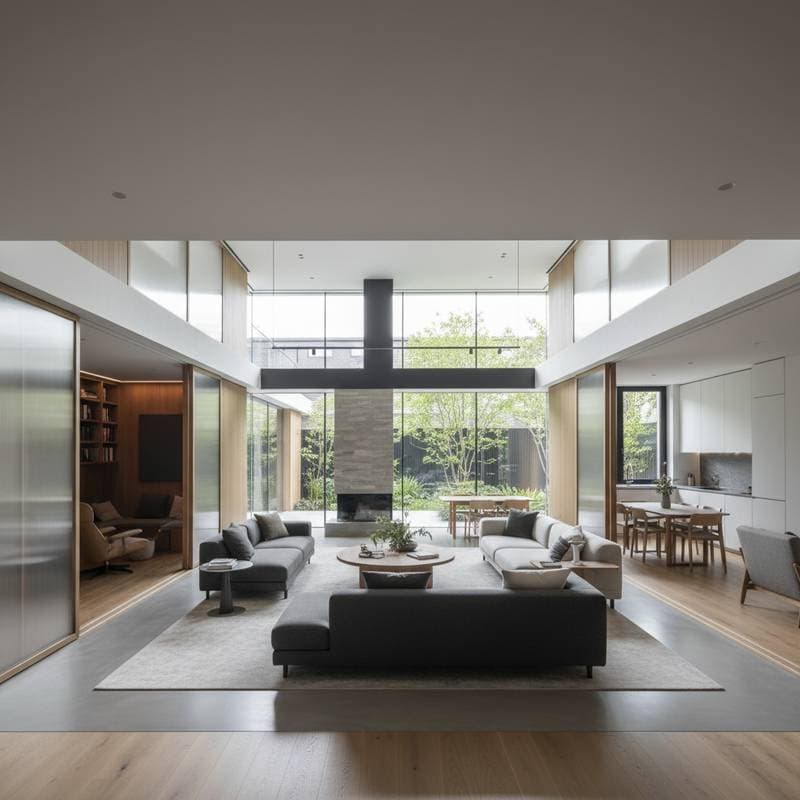
Multigenerational homes operate like interconnected systems, featuring distinct yet linked zones. Effective designs incorporate three primary components: private suites, communal spaces, and buffer areas. Each element fulfills unique roles to enhance comfort, safeguard privacy, and facilitate interactions.
- Private Suites: These typically feature bedroom-bathroom combos or compact units with kitchenettes. They deliver self-sufficiency while keeping residents close to the central home.
- Communal Spaces: Kitchens and gathering rooms use thoughtful circulation and sound management to handle varying activity levels.
- Buffer Zones: Hallways, patios, or multipurpose rooms serve as adjustable thresholds, enabling members to control their level of engagement.
Integrated properly, these components ensure smooth operations. The home accommodates varied schedules, eases daily pressures, and adjusts to evolving family structures.
Influences from Region and Lifestyle
Successful multigenerational plans align with local climates and construction norms. In cooler areas, shared heating zones boost energy efficiency. Warmer or coastal settings prioritize outdoor extensions and detached units linked by walkways.
Urban constraints call for stacked configurations with separate access points. Suburban or rural sites support horizontal additions like accessory dwelling units or extended wings.
Social needs play a key role too. Families increasingly pool resources for child care, elder support, and finances in one residence. Thoughtful layouts enable these arrangements while preserving individual well-being.
Infrastructure and System Coordination
These homes demand precise integration of utilities. Plumbing, heating, ventilation, air conditioning, and electrical setups must handle multiple users without compromise. For example, a dual-zone HVAC with variable-speed units regulates temperatures independently in different areas. Smart sensors and thermostats refine energy consumption based on occupancy.
Plumbing often employs separate heaters or loops for reliable hot water delivery. Electrical configurations include subpanels for isolated metering, ideal for guest or rental use.
Sound control remains essential. Techniques like enhanced insulation, offset studs, and flexible ceiling channels minimize noise transmission, boosting overall habitability.
Efficiency Standards for Dual-Living Setups
High-performance systems counter the demands of added residents. Modern benchmarks for zoned configurations include the following.
System Specifications
- Technology: Zoned HVAC with variable-speed compressor
- Efficiency: SEER 18 or higher, HSPF 10 or higher, AFUE 95 percent or higher
- Applicable Climates: U.S. Department of Energy Zones 3 to 7
- Capacity Range: 24,000 to 48,000 BTU
- Expected Durability: 15 to 20 years with regular upkeep
- Setup Difficulty: Moderate to high
Such systems deliver reliable comfort and cost savings. Elevated ratings cut running expenses, and zoning targets conditioning to active spaces only.
System Comparisons and Cost Analysis
| System Type | Efficiency Rating | Installed Cost Range | Annual Operating Cost | Maintenance Level | Environmental Impact |
|---|---|---|---|---|---|
| Single HVAC System | SEER 14 / AFUE 80 | Moderate | Higher | Low | Moderate |
| Zoned HVAC System | SEER 18 / AFUE 95 | Higher | Lower | Moderate | Low |
| Dual Independent Systems | SEER 16 / AFUE 92 | Highest | Moderate | Higher | Low |
| Heat Pump with Backup Furnace | SEER 19 / HSPF 10 | High | Lowest | Moderate | Very Low |
Strategic choices in zoning and equipment enhance comfort and economics. Shared zoned systems in larger homes often lower per-person energy use by 15 to 25 percent versus standalone units.
Structural Planning for Adaptability
Multigenerational designs need frameworks that allow modifications. Position load-bearing elements and utility paths to support reconfiguration, such as transforming a suite into a rental or accessible area.
Pathways matter greatly. Distinct entries and parking preserve seclusion, while joint patios or kitchens build links. Architects and engineers team up to optimize load distribution, noise barriers, and ductwork across zones.
Navigating Codes and Regulations
Regulations outline standards for secondary units. Essentials cover adequate ceiling heights, escape routes, standalone alarms, and fire barriers. Utilities require individual controls like valves or panels.
Homeowners must check zoning rules with local authorities early. Restrictions may apply to extra kitchens or rentals. Compliance with energy standards, such as the International Energy Conservation Code, ensures proper insulation and system performance.
Financial and Longevity Benefits
Multigenerational setups yield upfront and ongoing gains. Shared utilities, upkeep, and payments trim budgets. Properties gain value through their versatility.
Initial costs rise 15 to 20 percent, but savings and flexibility recoup this quickly. Rentable elements accelerate returns.
Proactive maintenance, via isolated filters, valves, and circuits, streamlines repairs and prolongs system life.
Preparing for Evolving Household Dynamics
Robust designs evolve with families. Spaces for growing children or returning adults require foresight.
Incorporate adjustable features like sliding walls, adaptable garages, or tunable lighting to modify without overhaul.
Steps to Build Your Multigenerational Home
Team architects, engineers, and designers with a focus on family priorities, occupancy forecasts, and access needs.
Essential Actions:
- Perform load assessments for HVAC sizing across zones.
- Review codes with officials during planning.
- Choose zoned, efficient systems with smart features.
- Integrate sound and thermal barriers.
- Ensure mechanical access for future maintenance.
Viewing the home as an evolving system yields spaces that sustain efficiency, bonds, and ease over generations. These designs unite technical prowess, relational depth, and resilience in housing.