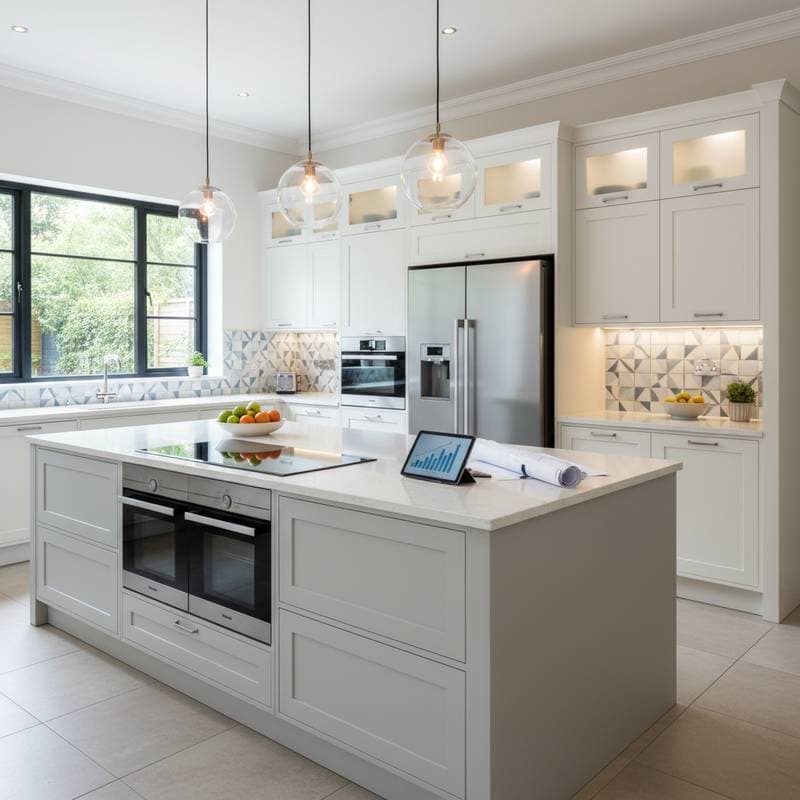
2026 Kitchen Remodel ROI: Resale Value Breakdown
Home renovation expenses continue to rise, with the kitchen emerging as a primary focus for homeowners seeking to enhance property value. Factors such as material tariffs, limited contractor availability, and extended delivery periods influence the overall return on a kitchen remodel. Selecting the right timing, project scope, and materials proves essential for maximizing investment returns.
Why Kitchen Remodels Deliver Strong Returns
Despite increasing costs for materials and labor, the kitchen holds its position as a key area for boosting resale value. Prospective buyers view the kitchen as the central hub of a residence, often prioritizing spaces that offer immediate usability and contemporary design. However, not all expenditures translate directly to gains at sale; the focus must remain on improvements that combine aesthetics, operational efficiency, and lasting quality.
Opt for neutral palettes and practical elements to avoid the pitfalls of excessive personalization. For instance, installing quartz countertops in subdued tones, along with sturdy cabinetry and appliances certified for energy efficiency, supports sustained value. These choices appeal broadly to future owners, unlike fleeting trends that may diminish in attractiveness over time.
Framework for DIY Versus Professional Assistance
Certain kitchen enhancements suit skilled homeowners tackling projects independently, while others demand expert intervention. Tasks like refreshing cabinet paint, updating hardware fixtures, or laying backsplash tiles fit within a weekend timeframe for those with experience. Projects that involve plumbing systems, electrical components, or structural modifications require certified specialists to ensure safety and compliance.
Engaging professionals becomes essential in scenarios such as:
- Installing or relocating gas lines
- Enhancing electrical panels for modern demands
- Shifting positions of sinks or dishwashers
- Altering load-bearing walls
Obtain estimates from at least three regional contractors to gauge labor rates and scheduling constraints prior to procuring supplies. Demand for services often peaks during warmer months, leading to wait times that extend several months.
ROI Analysis by Remodel Category
The return on investment varies according to the extent of the renovation. The following table provides a detailed overview aligned with prevailing market dynamics:
| Remodel Type | Average Cost | Expected ROI | Description |
|---|---|---|---|
| Minor Remodel | $18,000 - $28,000 | 70% - 83% | Emphasize surface-level changes, including cabinet refacing, fixture replacements, and countertop renewals. These updates refresh the space without extensive disruption. |
| Mid-Range Remodel | $35,000 - $55,000 | 58% - 72% | Incorporate semi-custom cabinetry, fresh appliances, and resilient flooring options. This level strikes an optimal balance for cost recovery and enhanced functionality. |
| Upscale Remodel | $70,000 - $120,000 | 48% - 61% | Encompass complete overhauls with layout reconfigurations, luxury surfaces, and bespoke elements. While impressive, such investments yield lower proportional returns due to their scale. |
This data underscores a fundamental principle: escalating expenditures do not guarantee proportional gains. Mid-range projects, when planned meticulously, frequently provide the most favorable ratio of outlay to resale uplift, as buyers value reliability and utility above opulence.
Incorporating Energy Efficiency for Added Value
Upgrades focused on energy conservation represent an underappreciated avenue for improving returns. Transitioning to Energy Star-rated appliances can reduce kitchen energy consumption by at least 20 percent. Switching to LED fixtures lowers ongoing electricity expenses and minimizes replacement needs.
Local utilities frequently provide financial incentives for installing efficient refrigerators, dishwashers, and induction ranges. These rebates, which differ by region, may offset costs by hundreds of dollars. Evaluate projected savings through online calculators offered by energy providers to inform appliance selections. The dual benefits of reduced utility payments and heightened appeal to eco-conscious buyers amplify the long-term advantages of these features.
Ensuring Durability Through Ongoing Care
A thoughtfully executed kitchen remodel can endure for a minimum of 15 years with consistent upkeep. Perform routine inspections to clean countertop seals, secure loose hardware, and refresh caulking around backsplashes. Select gentle cleaning agents for finished surfaces and maintain balanced humidity to avert material distortion.
Such proactive measures safeguard the initial investment and sustain the kitchen's marketability. Homeowners who prioritize maintenance often realize higher resale figures, as well-preserved spaces signal quality craftsmanship to potential purchasers.
Steps to Launch Your Kitchen Upgrade
Begin by assessing your kitchen's current condition and defining clear objectives for the project. Research local material suppliers and contractor networks to secure competitive pricing. Factor in seasonal timing to avoid delays, and integrate energy-efficient elements from the outset. By following this structured approach, homeowners position their remodel for optimal financial recovery and enduring satisfaction.