Bathroom Remodel Costs in 2026: Essential Updates
Home renovation expenses continue to evolve, with bathroom projects experiencing notable increases. Tariffs on materials, shortages in skilled labor, and shifts in homeowner expectations contribute to these changes. Individuals planning a remodel benefit from grasping these dynamics to manage budgets effectively while upholding standards of quality and safety.
From personal experience renovating bathrooms in established homes, the distinction between a challenging endeavor and an efficient one hinges on careful timing and thorough preparation. Although the bathroom represents one of the smaller spaces in a residence, it presents unique complexities during renovation.
Analyzing the Pricing Trends
Expenses for materials rise owing to disruptions in supply chains and elevated import duties on items such as fixtures, tiles, and plumbing elements. Standard ceramic tiles now cost approximately 15 percent more than in the previous period, and quartz countertops have increased by nearly 20 percent. Labor represents a significant element as well. Skilled plumbers and tile specialists maintain schedules filled for several months, compelling homeowners to incur higher fees for prompt service.
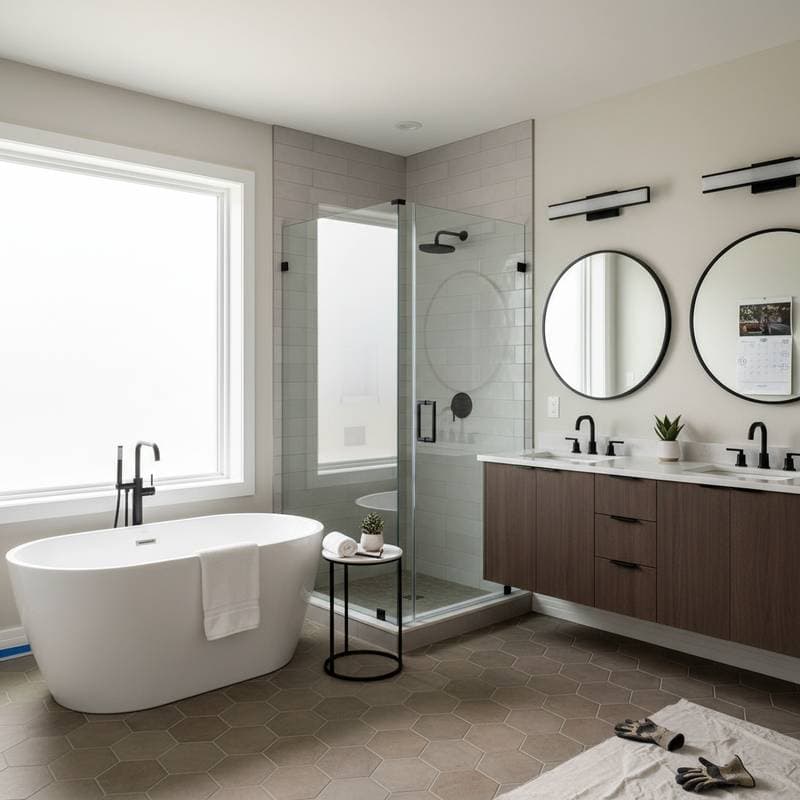
A typical mid-range bathroom renovation requires an investment of about $20,000. This amount encompasses a new vanity, enhanced lighting, mid-level tiles, and expert plumbing services. Luxury additions, including heated flooring, frameless glass enclosures for showers, and bespoke cabinetry, elevate the total expenditure to around $35,000.
Framework for Decisions: DIY Versus Expert Assistance
Certain homeowners seek savings through partial self-directed efforts, which proves viable for those proficient in fundamental tasks like demolition, painting, or installing fixtures. However, boundaries exist to prevent complications.
Suitable DIY Activities
- Demolition of existing tiles or flooring
- Application of paint to walls or trim
- Mounting of accessories such as towel racks or mirrors
Tasks Requiring Professional Expertise
- Rewiring of plumbing or electrical systems
- Application of waterproofing to shower areas
- Modifications to structure or layout
Projects involving relocation of plumbing lines or access to electrical panels demand the involvement of licensed specialists. Errors in these domains may breach building regulations and lead to substantial future repairs. Homeowners avoid the risks of inspection failures or concealed leaks by engaging qualified professionals.
Obtain three complimentary estimates from regional contractors prior to finalizing arrangements. In a competitive labor environment, evaluating proposals reveals potential overcharges or ambiguous terms in agreements.
Timing Strategies for 2026 Projects
Contractor availability remains constrained, and delivery timelines for materials vary unpredictably. Prudent homeowners align remodel schedules with openings in professional calendars rather than adhering to peak periods. Securing materials in advance, particularly tiles or custom fixtures, mitigates delays during execution.
For replacements involving imported items like vanities or faucets, verify inventory status before initiating demolition. A past experience with a delayed shower valve extended a project by three weeks, underscoring the importance of confirming delivery timelines for key components prior to commencing work.
Schedule renovations during spring or early autumn seasons. These periods offer greater contractor flexibility and favorable humidity conditions that facilitate the setting of tiles and grout. Steer clear of summer peaks, when demand drives up labor expenses.
Return on Investment and Enduring Benefits
A thoughtfully executed bathroom renovation recoups 55 to 65 percent of its investment through enhanced property value upon resale. Beyond financial returns, the improvements deliver ongoing advantages in comfort and operational efficiency. Contemporary fixtures conserve water, energy-efficient LED lights lower electricity costs, and superior ventilation systems inhibit mold development.
Water-saving toilets and faucets diminish consumption by up to 30 percent, yielding annual savings in the hundreds of dollars. Features like heated floors and advanced insulation enhance daily usability.
For long-term residents, select durable materials to minimize maintenance. Porcelain tiles, solid-surface countertops, and paints resistant to moisture outperform budget options in longevity. Initial investments in quality reduce the need for subsequent interventions.
Executing the Renovation Effectively
Establish a precise project scope at the outset. Determine if the goal involves a surface-level update or a comprehensive overhaul. Collect reference images, validate the intended layout, and establish a budget that allocates at least 10 percent for unforeseen expenses.
During contractor consultations, request a documented timeline and a payment plan linked to project milestones rather than arbitrary dates. Ensure bids incorporate permits and inspections. Reluctance to furnish such details signals potential concerns.
Maintain active involvement once construction begins. Conduct regular site visits to confirm material specifications align with selections and to foster clear communication. Addressing minor discrepancies promptly prevents escalation.
Safeguarding Your Renovation Investment
Rising costs may appear intimidating for a bathroom remodel, yet informed planning and market awareness enable the creation of an attractive, durable space. Prioritize essential elements, secure reliable estimates, and account for actual expenditures to realize substantial, lasting improvements.